
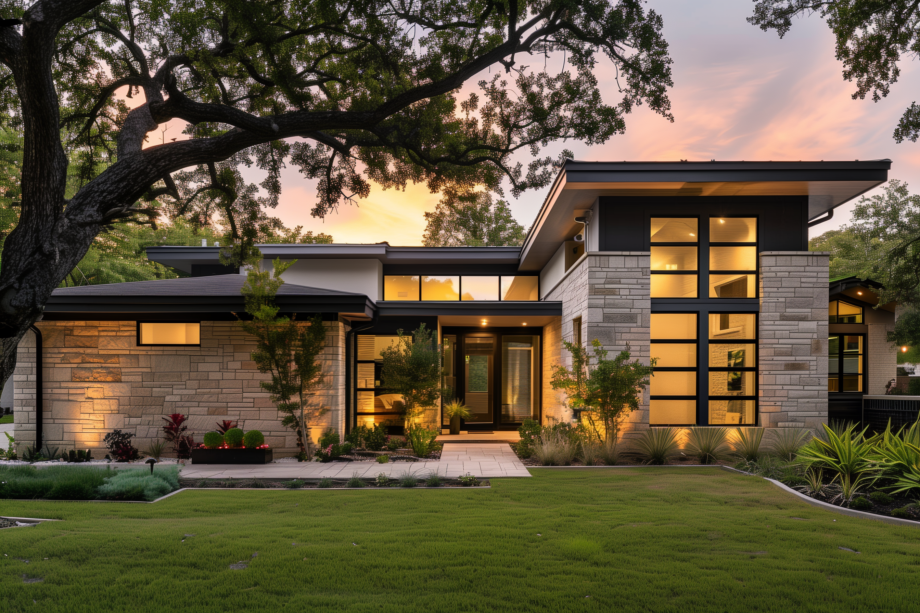
Thinking About Starting an Airbnb in Arlington?
🔥 Join 110,000+ real estate investors getting the most unique & profitable short-term rental investment opportunities delivered to your inbox, 6x/week. Subscribe Now
Disclaimer: This article is for informational purposes only and not legal advice. Regulations may have changed since publication. Always check with local authorities and consult a legal professional before making investment decisions.
Contents
- Introduction to Short-Term Rentals in Arlington
- Current Short-Term Rental Permit Requirements in Arlington
- Zoning Regulations for STRs in Arlington
- Required Documentation for Arlington Short-Term Rentals
- Arlington Short-Term Rental Taxes
- Safety Requirements and Inspections
- Arlington vs. Surrounding Areas: Regulation Comparison
- Enforcement of STR Rules in Arlington
- How to Start a Short-Term Rental Business in Arlington
- Advice from Arlington STR Stakeholders
- Who to Contact About Arlington STR Regulations
- Future Outlook for Arlington STR Regulations
- Ready to Invest in Arlington Short-Term Rentals?
Introduction to Short-Term Rentals in Arlington
Arlington, Texas—home to the Dallas Cowboys’ AT&T Stadium, Texas Rangers’ Globe Life Field, and Six Flags Over Texas—sits at the epicenter of the Dallas-Fort Worth metroplex’s entertainment scene. With millions of visitors annually attending sporting events, concerts, and theme park adventures, Arlington would seem like a goldmine for short-term rental investors.
However, Arlington has taken one of the most restrictive approaches to STR regulation in all of Texas. In April 2019, the city effectively banned short-term rentals in over 90% of its territory, limiting them to a small district around its entertainment venues. This dramatic action has made Arlington a battleground for property rights advocates and a cautionary tale for STR investors across the state.
The city’s regulations have survived multiple court challenges, including a 2021 ruling from the Second District Court of Appeals that upheld Arlington’s right to restrict STRs. For investors considering Arlington’s market, understanding these uniquely restrictive regulations isn’t just important—it’s absolutely essential to avoid significant financial penalties and legal troubles.
This comprehensive guide explains Arlington’s complex STR landscape and helps you determine if operating within the city’s limited permitted zone makes sense for your investment goals.
Current Short-Term Rental Permit Requirements in Arlington
Arlington defines a short-term rental as any part of a residential property used to lodge occupants for less than 30 consecutive days. Since August 1, 2019, the city has required all STR operators to obtain permits before listing their properties.
Permit Application Requirements
The permitting process in Arlington is notably strict and expensive:
- Application Fee: $500 (non-refundable)
- Processing Time: Varies, but includes mandatory property inspection
- Validity Period: 1 year
- Renewal: Required annually with full fee
Application Materials Required
Your permit application must include:
- Detailed site plan showing property boundaries
- Floor plan indicating all sleeping areas and room locations
- Proof of adequate off-street parking
- Proof of liability insurance ($1 million minimum coverage)
- Safety equipment documentation
- Local contact person designation
- Host rules for guests
- Square footage documentation
Physical Inspection
The City of Arlington conducts a mandatory physical inspection to verify:
- Compliance with basic life-safety requirements
- Proper installation of smoke detectors
- Carbon monoxide detectors (where applicable)
- Fire extinguishers in accessible locations
- Emergency egress compliance
- General structural safety
Online Portal
Applications are submitted through ArlingtonPermits.com, the city’s online portal. However, the inspection and approval process requires significant interaction with city staff.
Primary Residence Requirement
Arlington requires that STR properties be the host’s primary residence, with documentation required to prove residency such as:
- Driver’s license
- Utility bills
- Voter registration
- Tax records
Zoning Regulations for STRs in Arlington
Arlington’s zoning restrictions represent the most significant barrier to STR operation in the city.
The Entertainment District Zone
Following the 2019 ordinances, Arlington effectively banned short-term rentals in most residential neighborhoods across the city. STRs are now primarily allowed only within a designated Short-Term Rental District, which extends approximately one mile from the center of Arlington’s Entertainment District.
This zone includes major attractions:
- AT&T Stadium (Dallas Cowboys)
- Globe Life Field (Texas Rangers)
- Choctaw Stadium (formerly Globe Life Park)
- Six Flags Over Texas
- Six Flags Hurricane Harbor
- Texas Live! entertainment complex
Prohibited Zones
STRs are explicitly prohibited in:
- All single-family residential neighborhoods outside the entertainment district
- R-1, R-2, R-3, and R-4 residential zones
- Most multi-family residential areas
- Traditional neighborhood districts
- Areas near schools and parks
The 90% Ban
According to opponents of the ordinance, the restrictions essentially banned over 90% of the approximately 428 short-term rental operators that were active in Arlington before the regulations took effect. This dramatic reduction has fundamentally changed Arlington’s STR landscape.
Legal Challenges
Property owners have challenged these restrictions in court, arguing they violate constitutional property rights. However, in July 2021, the Second District Court of Appeals upheld Arlington’s regulations, stating:
“The use of single-family residences by individuals for short periods of time may negatively impact the residential character of many neighborhoods by reducing communication and accountability between permanent residents.”
No Grandfather Provisions
Unlike some cities, Arlington did not grandfather existing STRs when the new regulations took effect. Properties operating before 2019 had to comply with the new rules or cease operations.
Required Documentation for Arlington Short-Term Rentals
To operate legally within Arlington’s permitted zone, maintain these essential documents:
- STR Permit: Must be current and renewed annually
- Site Plan: Detailed property layout showing boundaries and structures
- Floor Plan: Indicating all rooms, sleeping areas, and emergency exits
- Insurance Certificate: Proof of $1 million liability coverage minimum
- Safety Inspection Report: Passed city inspection documentation
- Parking Documentation: Proof of adequate off-street parking spaces
- Local Contact Information: Designated person available 24/7
- Guest Rules Document: Posted rules regarding noise, parking, occupancy
- Primary Residence Proof: Multiple documents proving owner occupancy
- Business Registration: If operating as a business entity
All documentation must be kept current and available for city inspection upon request.
Arlington Short-Term Rental Taxes
Operating an STR in Arlington requires compliance with multiple tax obligations:
State Taxes
- Texas Hotel Occupancy Tax: 6% of gross rental receipts
- Applies to all rentals under 30 consecutive days
- Must register with Texas Comptroller’s Office
- Monthly filing required
Local Taxes
While Arlington doesn’t impose its own city hotel occupancy tax on STRs, operators must still:
- Report rental income for business tax purposes
- Pay applicable property taxes (which may increase based on commercial use)
- File appropriate business tax returns if operating as a business entity
Platform Tax Collection
Important considerations:
- Airbnb collects and remits Texas state hotel occupancy tax
- VRBO also collects state taxes for hosts
- Hosts remain responsible for ensuring all tax compliance
- Must still register with state even if platforms collect taxes
Federal Tax Obligations
STR income is taxable at the federal level:
- Report on Schedule C (business income) or Schedule E (rental income)
- Eligible for various deductions (mortgage interest, depreciation, operating expenses)
- Consider quarterly estimated tax payments
Safety Requirements and Inspections
Arlington enforces strict safety standards for all permitted STRs:
Required Safety Equipment
- Smoke detectors in every bedroom and on each level
- Carbon monoxide detectors near sleeping areas and fuel-burning appliances
- Fire extinguishers readily accessible on each floor
- Emergency exit signage
- Adequate exterior lighting for nighttime visibility
- Address numbers clearly visible from street
Inspection Process
Before permit issuance:
- Schedule inspection through city’s permitting department
- Inspector verifies all safety equipment installation
- Checks structural integrity and code compliance
- Reviews emergency egress routes
- Confirms parking adequacy
Ongoing Compliance
- Annual inspections may be required for permit renewal
- Random inspections possible based on complaints
- Must maintain all safety equipment in working order
- Required to update city if any safety equipment fails
Guest Safety Information
Hosts must provide guests with:
- Emergency contact numbers
- Evacuation routes
- Location of safety equipment
- Local emergency services information
Arlington vs. Surrounding Areas: Regulation Comparison
How do Arlington’s regulations compare to nearby cities?
Dallas
- More permissive overall
- Registration required but less restrictive
- No geographic limitations like Arlington’s entertainment district
- Lower fees ($170 initial registration)
- Ongoing debates about tightening regulations
Fort Worth
- Registration-based system
- Less restrictive zoning limitations
- Lower fees and simpler process
- No entertainment district-only restriction
- Growing market with increasing oversight
Plano
- Currently developing regulations
- Following Arlington’s model in some respects
- Strong neighborhood opposition to STRs
- Considering prohibition in residential areas
Irving
- Moderate regulations
- Permit required but more areas eligible
- Near DFW Airport creates steady demand
- Less expensive than Arlington’s fees
Grand Prairie
- Minimal STR regulations currently
- More opportunities for investors
- Less enforcement infrastructure
- May follow Arlington’s lead in future
Arlington clearly has the most restrictive STR regulations in the DFW metroplex, making it extremely challenging for new investors to enter the market.
Enforcement of STR Rules in Arlington
Arlington takes enforcement seriously, with multiple mechanisms in place:
Enforcement Tools
- 24/7 STR Complaint Hotline: 817-775-5626
- Dedicated code enforcement team
- Regular monitoring of online platforms
- Coordination with platforms to remove illegal listings
- Legal action against violators
Common Violations
Most frequent enforcement issues:
- Operating outside the permitted entertainment district zone
- Operating without a valid permit
- Exceeding occupancy limits
- Noise and nuisance complaints
- Parking violations
- Trash and property maintenance issues
Penalty Structure
Violations result in significant penalties:
- First Offense: $500 fine
- Subsequent Violations: $1,000 or more per violation
- Each day of violation can count as a separate offense
- Permit suspension or permanent revocation possible
- Criminal charges possible for repeat offenders
Neighborhood Activism
Arlington has an active anti-STR movement:
- “Neighborhoods Are For Neighbors Coalition” monitors violations
- Residents actively report unauthorized rentals
- Strong political support for enforcement
- Regular pressure on city council to maintain restrictions
Success of Enforcement
The strict enforcement has been notably successful:
- Dramatic reduction in STR numbers (from ~428 to under 100)
- High compliance rate within permitted zone
- Few successful legal challenges to enforcement actions
How to Start a Short-Term Rental Business in Arlington
Given Arlington’s restrictions, starting an STR requires careful planning:
Step 1: Verify Location Eligibility
CRITICAL FIRST STEP:
- Confirm property is within the entertainment district zone
- Properties outside this zone are NOT eligible
- Contact Planning and Development Services: (817) 459-6941
- Do not proceed without written confirmation of eligibility
Step 2: Property Acquisition
If location is eligible:
- Competition is fierce for properties in permitted zone
- Prices premium due to limited supply
- Consider proximity to stadiums and attractions
- Verify no deed restrictions or HOA prohibitions
Step 3: Establish Primary Residence
- Must prove property is your primary residence
- Update driver’s license, voter registration
- Establish utility accounts in your name
- Cannot operate as investment property only
Step 4: Prepare Property
- Install all required safety equipment
- Create adequate off-street parking
- Develop house rules and guest guidelines
- Ensure property meets all building codes
Step 5: Application Process
- Gather all required documentation
- Submit application through ArlingtonPermits.com
- Pay $500 non-refundable fee
- Schedule mandatory inspection
- Address any deficiencies noted
- Await permit approval
Step 6: Tax Registration
- Register with Texas Comptroller for state hotel tax
- Set up tax collection and remittance systems
- Consider professional tax assistance
Step 7: Create Listing
- Highlight proximity to entertainment venues
- Include permit number in all advertisements
- Set competitive rates for limited market
- Emphasize unique features
Step 8: Ongoing Compliance
- Respond promptly to any complaints
- Maintain excellent neighbor relations
- Renew permit annually
- Stay informed of any regulation changes
Advice from Arlington STR Stakeholders
Different perspectives on Arlington’s STR market:
“The ordinance allowed us to reclaim our neighborhoods. STRs brought parties, trash, and violence. This ruling could serve as a road map for Dallas and other cities.” – Dave Schwarte, Neighborhoods Are For Neighbors Coalition
“If you’re lucky enough to have a property in the entertainment district, it’s a goldmine. Game days and concerts drive incredible demand.” – Anonymous permitted host
“The restrictions essentially killed the STR market here. We lost 90% of operators overnight. Many of us feel our property rights were violated.” – Former STR operator (property outside zone)
“For new investors, look elsewhere. The barriers to entry in Arlington are too high unless you already own in the entertainment district.” – DFW property manager
The consensus: Arlington is extremely challenging for new STR investors, with opportunities limited to a tiny geographic area.
Who to Contact About Arlington STR Regulations
For official information and assistance:
Planning and Development Services
- Phone: (817) 459-6941
- Website: arlingtontx.gov
- Address: 101 W. Abram Street, Arlington, TX 76010
Permit Applications
- Online Portal: ArlingtonPermits.com
- Permit Fee: $500 (non-refundable)
Code Enforcement / STR Complaints
- 24/7 Hotline: (817) 775-5626
- For reporting violations
Texas Comptroller (State Hotel Tax)
- Phone: 1-800-252-1385
- Website: comptroller.texas.gov
Arlington Convention & Visitors Bureau
- Phone: (817) 265-7721
- For tourism and marketing information
Future Outlook for Arlington STR Regulations
Several factors will shape Arlington’s STR landscape:
- Legal Challenges Continue: Property rights advocates haven’t given up despite court losses
- State Preemption Possible: Texas legislature has considered limiting cities’ ability to restrict STRs
- 2026 World Cup Impact: Arlington will host World Cup matches, potentially driving regulatory review
- Political Pressure: Strong neighborhood associations continue pushing for maintained restrictions
- Enforcement Technology: City investing in better monitoring tools to catch violators
The most likely scenario: Arlington’s restrictions will remain in place or potentially tighten further. The city has shown no inclination to loosen regulations, and the court victories have strengthened their position. New investors should not count on future regulatory relief.
Ready to Invest in Arlington Short-Term Rentals?
Arlington presents one of the most challenging STR markets in Texas. With over 90% of the city off-limits to short-term rentals and a complex, expensive permitting process for the remaining entertainment district zone, opportunities are extremely limited.
For investors committed to the Arlington market, success requires finding eligible property within the entertainment district, establishing primary residence, and maintaining strict compliance with all regulations. The limited supply and proximity to major attractions can generate strong returns, but the barriers to entry are substantial.
Most investors would be better served looking at nearby cities with more favorable regulations. However, if you’re determined to operate in Arlington’s entertainment district, thorough research and professional guidance are essential.
🔥 Ready to find the best STR deals in Arlington and beyond? Subscribe to The Offer Sheet and join 110,000+ investors getting curated, profitable short-term rental opportunities delivered directly to your inbox 6x/week.
⭐️ Already a subscriber? Upgrade to Pro to get access to 40+ properties daily, exclusive off-market deals, and premium analysis tools to maximize your STR investment returns.
Remember: Always consult with local legal and tax professionals before making investment decisions.