
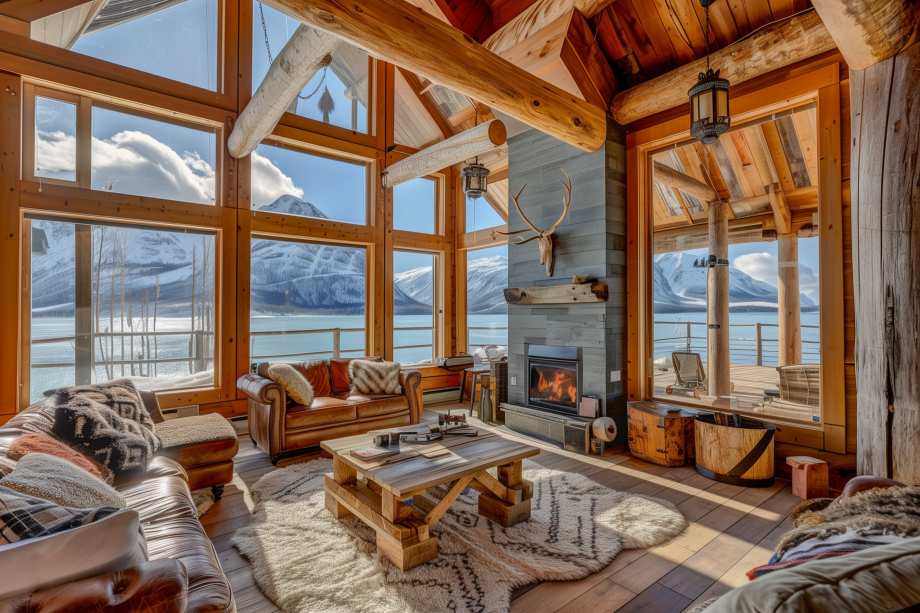
Thinking About Starting an Airbnb in Homer?
🔥 Join 110,000+ real estate investors getting the most unique & profitable short-term rental investment opportunities delivered to your inbox, 6x/week. Subscribe Now
Disclaimer: This article is for informational purposes only and not legal advice. Regulations may have changed since publication. Always check with local authorities and consult a legal professional before making investment decisions.
Published: October 2025
Contents
- Introduction to Short-Term Rentals in Homer
- Current Short-Term Rental Permit Requirements in Homer
- Zoning Regulations for STRs in Homer
- Required Documentation for Homer Short-Term Rentals
- Homer Short-Term Rental Taxes
- Safety Requirements and Inspections
- Homer vs. Surrounding Areas: Regulation Comparison
- Enforcement of STR Rules in Homer
- How to Start a Short-Term Rental Business in Homer
- Advice from Successful Homer STR Operators
- Who to Contact About Homer STR Regulations
- Future Outlook for Homer STR Regulations
- Ready to Invest in Homer Short-Term Rentals?
Introduction to Short-Term Rentals in Homer
Perched on the stunning shores of Kachemak Bay on Alaska’s Kenai Peninsula, Homer is known as the “Halibut Fishing Capital of the World” and the “Cosmic Hamlet by the Sea.” This unique community of approximately 5,900 residents swells dramatically during the summer months as visitors flock to experience world-class fishing, spectacular mountain and glacier views, vibrant arts culture, and access to pristine wilderness.
Homer offers STR investors a compelling opportunity in one of Alaska’s most popular vacation destinations. The town’s iconic Homer Spit—a 4.5-mile-long natural sand bar jutting into Kachemak Bay—provides a distinctive setting with boardwalks, fishing charter companies, restaurants, art galleries, and unparalleled views of the Kenai Mountains and Grewingk Glacier across the bay.
The STR market in Homer is robust, with an estimated 326 short-term rental units representing a significant portion of the local housing stock. Peak season runs from June through August when tourism reaches its zenith, but shoulder seasons in spring and fall also attract visitors for fishing, wildlife viewing, and off-season exploration. Even winter brings opportunities, with guests coming for Northern Lights viewing, winter sports, and the serene beauty of coastal Alaska.
Unlike many Alaska communities that have implemented strict STR regulations, Homer has maintained a relatively business-friendly approach. However, the regulatory landscape has been evolving, with city officials carefully examining how to balance tourism economics with housing availability and neighborhood quality of life.
This comprehensive guide will walk you through everything you need to know about operating a legal and profitable short-term rental in Homer in 2025.
Current Short-Term Rental Permit Requirements in Homer
Homer’s approach to STR regulation has been notably measured compared to other Alaska communities. As of late 2024, the city has taken a largely hands-off regulatory approach, though this could change as city officials continue examining STR impacts.
Current Regulatory Status
Important Update: In February 2024, the Homer City Council unanimously rejected an ordinance that would have required STR operators to register their properties with the city. This rejection means Homer currently does not require a dedicated short-term rental permit or registration.
The proposed ordinance would have included:
- Annual registration fees
- Proof of sales tax compliance
- Safety inspections
- Limits on the number of units per owner
However, after public input and review by the Planning Commission and Economic Development Advisory Commission, the council determined the regulations were premature and sent them “back to the drawing board.”
Required Licenses and Registrations
While Homer doesn’t currently require STR-specific permits, operators must still comply with general business requirements:
- Alaska State Business License: Required for all businesses operating in Alaska
- Cost: $50 annually
- Obtained through Alaska Department of Commerce, Community, and Economic Development
- Can be completed online via MyAlaska portal
- Required regardless of business size
- Kenai Peninsula Borough Sales Tax Registration: Required to collect sales tax
- Registration through KPB Finance Department
- No separate registration fee
- Must be updated annually
- Homer Business Activity (informal): While the City of Homer doesn’t require its own business license, you must register with the borough for tax collection purposes
What This Means for Investors
Homer’s current lack of dedicated STR regulations makes it one of the more accessible Alaska markets for new investors. However, operators should:
- Stay informed about potential future regulations
- Maintain high operational standards voluntarily
- Be prepared for possible registration requirements
- Monitor city council meetings for STR policy discussions
The city has explicitly stated it will continue examining STR regulations, so the current permissive environment could change. Proactive operators who maintain professional standards and good neighbor relations will be best positioned regardless of future regulatory changes.
Zoning Regulations for STRs in Homer
Homer’s zoning code doesn’t currently prohibit short-term rentals in most residential areas, though certain restrictions apply:
Residential Zones
Short-term rentals are generally permitted in:
- RO (Residential Open) zones
- RR (Rural Residential) zones
- UR (Urban Residential) zones
- Most residential areas throughout the city
Commercial and Mixed-Use Zones
STRs are permitted in:
- GC1 (General Commercial 1) zones
- GC2 (General Commercial 2) zones
- CBD (Central Business District) – though some proposed regulations have suggested excluding this area
- Mixed-use areas
Areas with Potential Restrictions
Based on past regulatory proposals, future regulations might restrict or require special permits for STRs in:
- The Central Business District downtown core
- Areas with HOA restrictions
- Properties in certain overlay districts
Important Zoning Considerations
- No Current Occupancy Limits: Unlike some Alaska cities, Homer doesn’t currently enforce special occupancy limits for STRs beyond standard residential occupancy codes
- Parking Requirements: Properties must meet standard residential parking requirements, typically 2 spaces per dwelling unit
- Noise Ordinances: Standard city noise ordinances apply to all properties, including STRs
- No Density Restrictions: Currently no limits on the number of STRs per block or neighborhood
HOA and Private Restrictions
Always verify:
- Homeowners Association rules: Many Homer neighborhoods have HOAs that may restrict or prohibit STRs
- Covenant restrictions: Some subdivisions have deed restrictions on rental use
- Condo association bylaws: Multi-unit buildings may have specific rental restrictions
The Homer Bed and Breakfast Association has been active in regulatory discussions, advocating for regulations that align with state bed and breakfast requirements while not unduly burdening small operators.
Required Documentation for Homer Short-Term Rentals
To operate legally and professionally in Homer, maintain these essential documents:
State and Local Requirements
- Alaska State Business License: Current license from Alaska DCCED
- Keep digital and physical copies
- Must be renewed annually by December 31
- Business Entity Registration: If operating as LLC or corporation
- Alaska business entity registration
- EIN from IRS
- Operating agreement or bylaws
- Kenai Peninsula Borough Sales Tax Certificate: Registration for tax collection
- Certificate of Registration to Collect Sales Tax
- Updated quarterly filing confirmation
- Tax Filing Records: Documentation of all tax payments
- Quarterly sales tax returns
- Annual reconciliation records
- Platform collection records (if applicable)
Liability and Insurance
- Liability Insurance Policy: Recommended minimum $1,000,000 coverage
- Commercial liability or specialized STR insurance
- Proof of current coverage
- Named insured matches business entity
- Property Insurance: Adequate coverage for short-term rental use
- Verify policy covers commercial use
- Consider additional coverage for business property
Operational Documentation
- Guest Registration Records: For tax and safety purposes
- Guest names and contact information
- Dates of stay
- Rental amounts
- Safety Equipment Documentation: Records of:
- Smoke detector installation and testing
- Carbon monoxide detector placement
- Fire extinguisher inspection dates
- Emergency contact information posted
- House Rules and Rental Agreement: Written policies covering:
- Occupancy limits
- Noise restrictions
- Parking requirements
- Wildlife safety (especially bears)
- Emergency procedures
- Check-in/check-out procedures
- Local Contact Information: Designated local contact available 24/7
- Contact must be able to respond to issues promptly
- Information should be provided to guests and neighbors
Best Practices
Successful Homer STR operators recommend:
- Maintaining digital backups of all documents
- Creating a “compliance binder” for easy inspection readiness
- Documenting neighbor notifications and communications
- Keeping platform correspondence and reviews
- Recording all maintenance and safety checks
Even without mandatory inspections, maintaining thorough documentation demonstrates professionalism and protects you in case regulations are implemented or liability issues arise.
Homer Short-Term Rental Taxes
Understanding and properly collecting taxes is crucial for legal STR operation in Homer:
State Taxes
Alaska State Sales Tax: Alaska has no state sales tax, which significantly simplifies tax obligations compared to most states.
Local Taxes
- Kenai Peninsula Borough Sales Tax: 3% of gross rental receipts
- Applies to all short-term rentals under 30 days
- Collected on rental rate plus any cleaning fees
- City of Homer Sales Tax: 4.85% of gross rental receipts
- Combined with borough tax for total of 7.85%
- One of the higher municipal rates in Alaska
- Total Combined Sales Tax: 7.85% (3% borough + 4.85% city)
Proposed Bed Tax (Not Currently Enacted)
The Kenai Peninsula Borough has considered implementing a “bed tax” (lodging tax) specifically for temporary accommodations:
- Proposed rate: Up to 12% of lodging costs
- Status: Tabled as of 2024, not currently in effect
- If enacted: Would replace or supplement current sales tax structure
- Local hotel and STR operators have opposed this tax
Important: No bed tax is currently in effect in Homer, but stay informed about potential future implementation.
Tax Collection Methods
Platform Collection: Airbnb and VRBO automatically collect and remit sales taxes for Homer properties. However:
- Verify that your listing has correct Homer tax settings
- Confirm platforms are remitting taxes properly
- Keep records of all bookings and tax collections
- You remain ultimately responsible for tax compliance
Direct Bookings: For reservations made outside platforms:
- You must collect the full 7.85% tax from guests
- Remit to Kenai Peninsula Borough (they distribute to Homer)
- Keep detailed records of all transactions
Tax Registration Process
- Register with KPB: Contact Kenai Peninsula Borough Finance Department – Sales Tax Division
- Complete Certificate of Registration to Collect Sales Tax
- Provide business information and property address
- No registration fee
- Set Up Filing Schedule: Most STR operators file quarterly
- Returns and payments due by the 20th of the month following quarter end
- Online filing available through KPB portal
- Can set up automatic reminders
Tax Reporting Deadlines
- Quarterly Filing: Most common for STRs
- Q1 (Jan-Mar): Due April 20
- Q2 (Apr-Jun): Due July 20
- Q3 (Jul-Sep): Due October 20
- Q4 (Oct-Dec): Due January 20
- Monthly Filing: Required if gross receipts exceed certain thresholds
- Late Penalties:
- 10% penalty on late payments
- Interest accrues on unpaid balances
- Continued non-compliance can result in business license suspension
Record Keeping
Maintain records for at least 6 years:
- All guest invoices and receipts
- Tax collection documentation
- Platform remittance reports
- Bank statements showing tax payments
- Quarterly/annual tax returns
Many successful Homer STR operators work with Alaska-based accountants familiar with local lodging businesses to ensure compliance and maximize deductions.
Safety Requirements and Inspections
While Homer doesn’t currently mandate STR-specific safety inspections, maintaining high safety standards protects guests, reduces liability, and prepares you for potential future regulations:
Required Safety Equipment
Fire Safety (Alaska State Fire Marshal standards):
- Smoke detectors on each level and in each sleeping area
- Carbon monoxide detectors on each level with fuel-burning appliances
- Fire extinguishers (5 lb. ABC rated minimum) on each floor
- Clearly marked exits and escape routes
- Emergency lighting for multi-level properties
Emergency Preparedness:
- Posted emergency contact information
- First aid kit
- Flashlights with extra batteries
- Weather radio (recommended for Alaska)
- Emergency evacuation plan
Alaska-Specific Safety Considerations
Bear Safety (Critical in Homer):
- Bear-resistant garbage containers or secure storage
- Guest information about bear safety
- Proper food storage guidelines
- Contact information for Alaska Department of Fish & Game
- Consider bear spray availability information
Weather and Environmental:
- Adequate heating for year-round operation
- Information about earthquake procedures (Alaska is seismically active)
- Tsunami evacuation routes (if in coastal zone)
- Winter weather preparedness information
- Snow removal plan for winter months
Marine Environment:
- Tide table information for waterfront properties
- Weather hazard awareness (high winds, storms)
- Information about coastal hazards
- Emergency marine contact numbers
Property-Specific Safety
Older Homes:
- Lead paint disclosure (if built before 1978)
- Radon testing (recommended)
- Proper ventilation
- Updated electrical systems
Well and Septic:
- Current water quality testing (if on well water)
- Septic system capacity appropriate for occupancy
- Guest guidelines for system use
- Backup plans for system issues
Waterfront Properties:
- Dock safety and weight limits
- Water access warnings
- Life jackets availability
- Emergency flotation devices
Voluntary Inspection Programs
While not required, consider:
- Having property voluntarily inspected by fire marshal
- Hiring private safety inspector
- Documenting all safety features
- Regular maintenance schedules
- Annual safety equipment testing
Liability Protection
Beyond basic safety equipment:
- Comprehensive liability insurance ($1M+ recommended)
- Umbrella policy for additional coverage
- Clear guest waivers for adventure activities
- Warning signs for identified hazards
- Documentation of all safety measures
Best Practices from Homer Operators:
“We go above and beyond required safety measures. We provide bear spray information, tide charts, emergency contact magnets on the fridge, and a comprehensive safety binder. Guests appreciate it, and we sleep better knowing they’re informed.” – Long-time Homer STR operator
“Alaska comes with unique risks. We make sure guests understand they’re in wilderness country. Clear communication about wildlife, weather, and emergency procedures is part of being a responsible host.” – Homer vacation rental manager
Maintaining high safety standards not only protects guests but also demonstrates professionalism that can lead to better reviews, repeat bookings, and protection against liability—regardless of whether inspections are required.
Homer vs. Surrounding Areas: Regulation Comparison
How do Homer’s STR regulations compare to other Kenai Peninsula and Alaska communities?
Kenai
- More Restrictive: Requires business license through city
- Sales Tax: 3% city + 3% borough = 6% total
- Zoning: Similar residential allowances
- Population: Larger city (7,700+) with more tourism infrastructure
Soldotna
- Similar Approach: No dedicated STR permit currently required
- Recent Bed Tax: Implemented local lodging tax recently
- Sales Tax: Combined rate around 6%
- Tourism: Less seasonal than Homer, more oil/gas business travel
Seward
- Much More Restrictive: Requires short-term rental permits
- Occupancy Limits: Restricts rentals to 50% of bedrooms (max 3 bedrooms)
- Inspection Requirements: Annual safety inspections required
- Higher Oversight: $50 permit fee plus $45 inspection fee
- Conditional Use Permits: Required in many zones
Anchorage
- Most Restrictive in Alaska: Comprehensive STR licensing program
- License Cost: $400 biennial fee
- Insurance Requirement: Minimum $500,000 liability insurance
- Room Tax: 12% on short-term rentals
- Primary Residence: $50 fee waiver for primary residence STRs
Juneau
- Moderate Restrictions: Registration required with city
- Sales Tax: Complex multi-jurisdictional structure
- Tourism Focus: Heavy cruise ship season impacts STR market
Sitka
- Very Restrictive: Passed tight STR restrictions in 2022
- Limited Permits: Caps on number of STRs allowed
- Primary Residence: Strong preference for owner-occupied
- Housing Protection: Regulations aimed at preserving long-term housing
Key Comparison Points
Homer’s Advantages:
- No dedicated STR permit currently required
- No mandatory inspections
- No occupancy limit restrictions beyond standard codes
- No density caps on STRs per neighborhood
- Relatively straightforward tax structure
- Business-friendly environment
Homer’s Considerations:
- Higher combined sales tax (7.85%) than some nearby communities
- Potential for future regulations as city studies impacts
- Seasonal market volatility
- Smaller year-round population than some markets
Market Positioning: Homer offers an attractive middle ground—less regulated than Seward or Anchorage, but with stronger tourism demand than some neighboring communities. The lack of permit requirements combined with robust summer tourism makes it one of the Kenai Peninsula’s most accessible STR markets.
Many investors find Homer’s combination of stunning location, established tourism infrastructure, and current regulatory flexibility makes it one of Alaska’s most appealing STR markets.
Enforcement of STR Rules in Homer
Understanding enforcement helps you assess compliance risks and maintain good standing:
Current Enforcement Approach
Since Homer doesn’t currently have dedicated STR regulations, enforcement focuses on:
Tax Compliance:
- Kenai Peninsula Borough monitors sales tax collection
- Periodic audits of businesses
- Cross-reference with platform data when available
- Non-compliance results in penalties, interest, and potential legal action
General Code Enforcement:
- Complaint-driven system for noise, parking, nuisance issues
- Standard residential code enforcement
- Neighborhood disputes handled through existing mechanisms
- Police respond to noise complaints and disturbances
State Business License:
- Alaska Department of Commerce monitors business license compliance
- Required for legal operation
- Relatively straightforward enforcement
Common Issues
Based on local experience, the most frequent STR-related concerns include:
Neighbor Complaints:
- Excessive noise, especially during summer parties
- Inadequate parking (guests parking on streets)
- Garbage and wildlife issues (improper storage attracting bears)
- Large groups in residential areas
- Frequent turnover disrupting neighborhood character
Tax Issues:
- Failure to collect and remit sales tax
- Incomplete or late quarterly filings
- Operating without proper business registration
- Platform collection errors not caught by hosts
Safety Concerns:
- Inadequate fire safety equipment
- Lack of emergency contact information
- Properties not properly maintained
- Winter accessibility issues not disclosed
Environmental:
- Bear attractants (garbage, food storage)
- Septic system overload
- Water usage issues
- Beach/coastal access conflicts
Penalties and Consequences
While Homer lacks specific STR penalties, violations can result in:
Tax Penalties:
- 10% penalty on late tax payments
- Interest on unpaid balances
- Potential business license suspension
- Legal action for persistent non-compliance
Code Violations:
- Citations for noise violations ($100-$500)
- Parking violations ($25-$100)
- Nuisance abatement costs
- Potential legal action for persistent issues
Civil Liability:
- Neighbor complaints can lead to civil suits
- Property damage claims
- Personal injury liability
- HOA violations and fines
Best Practices for Avoiding Issues
Proactive Communication:
- Inform neighbors of your STR operation
- Provide contact information for issues
- Address concerns immediately
- Build positive relationships
Guest Management:
- Clear house rules about noise, parking, wildlife
- 24/7 contact availability
- Quick response to problems
- Pre-arrival communication about expectations
Property Management:
- Regular maintenance and inspections
- Adequate garbage storage (bear-resistant)
- Sufficient parking
- Clear signage and instructions
Tax Compliance:
- Timely quarterly filings
- Accurate record-keeping
- Professional accounting assistance
- Verification of platform tax collection
Future Regulatory Environment
City officials have indicated that STR regulation remains a priority for future consideration. The February 2024 rejection doesn’t mean regulations won’t eventually pass—it means they need refinement.
What to Expect:
- Continued city council discussion of STR impacts
- Possible registration system (even if not full permitting)
- Potential occupancy reporting requirements
- Safety inspection programs
- Good neighbor agreements
Preparing for Future Regulations:
- Operate as if inspections could happen anytime
- Maintain thorough documentation
- Stay engaged with city council meetings
- Join or follow Homer Bed and Breakfast Association
- Build reputation as responsible operator
The Homer STR community has been actively engaged in regulatory discussions, with many operators advocating for balanced regulations that protect neighborhoods without unnecessarily burdening small businesses.
How to Start a Short-Term Rental Business in Homer
Follow this roadmap to launch your Homer STR successfully:
Step 1: Market Research & Property Selection
Analyze the Homer Market:
- Peak season: June-August (halibut season, summer tourism)
- Shoulder seasons: May, September (lower rates, fishing, Northern Lights)
- Off-season: October-April (lowest demand, but winter tourism exists)
- Average occupancy: 60-85% in summer, 20-40% in winter
- Nightly rates: $150-$400+ depending on property, season, location
Property Location Considerations:
- Homer Spit: Premium location, highest rates, year-round appeal, limited availability
- East End Road: Water views, slightly more affordable, good accessibility
- Downtown Homer: Walking distance to restaurants/galleries, convenient
- East Hill: Elevated views, residential neighborhoods, quieter
- Diamond Ridge/Skyline: Panoramic views, more remote, winter access considerations
- Waterfront: Premium pricing, direct beach/water access, drainage considerations
Property Type Considerations:
- Cabins: Most popular for Alaskan experience
- Single-family homes: Good for families and groups
- Condos/townhomes: Lower maintenance, possible HOA restrictions
- Multi-unit properties: Higher income potential, more management intensive
- Tiny homes/unique properties: Strong differentiation, social media appeal
Research Comparable Properties:
- Review current Airbnb/VRBO listings
- Analyze pricing strategies
- Read guest reviews for insights
- Identify market gaps and opportunities
Step 2: Financial Planning & Analysis
Startup Costs:
- Property acquisition or rental agreement
- Furnishings and equipment: $10,000-$30,000
- Safety equipment and supplies: $1,000-$3,000
- Initial marketing and photography: $500-$2,000
- Business formation and licensing: $500-$1,500
- Insurance and deposits: $2,000-$5,000
- Platform fees and merchant accounts: $500
- Reserve fund for repairs/maintenance: $5,000+
Ongoing Expenses:
- Mortgage/rent
- Property taxes (relatively low in Homer)
- Utilities (heating costs substantial in winter)
- Insurance (commercial liability + property)
- Platform commissions (15-20% typically)
- Sales tax remittance (7.85%)
- Cleaning ($80-$200 per turnover)
- Maintenance and repairs
- Property management (if hired): 15-30%
- Supplies and amenities
- Internet and utilities
Revenue Projections:
- Summer high season: 85%+ occupancy at premium rates
- Shoulder season: 50-70% occupancy at moderate rates
- Winter low season: 20-40% occupancy at lower rates
- Annual occupancy target: 55-65% across all seasons
- Calculate break-even point and ROI timeline
Step 3: Property Acquisition & Setup
Purchase or Lease:
- Work with local real estate agents familiar with STR market
- Consider year-round accessibility
- Evaluate heating costs and winter viability
- Check for HOA restrictions
- Verify zoning allows STRs
- Inspect septic, well, and utilities carefully
- Consider view quality and outdoor space
Property Preparation:
- Professional deep cleaning
- Repairs and updates as needed
- Alaska-appropriate furnishings (warm, cozy aesthetic)
- Quality mattresses and bedding
- Full kitchen equipment
- Reliable high-speed internet (essential)
- Adequate heating system
- Weather-appropriate amenities
Outdoor Spaces:
- Deck or patio with seating
- Fire pit (where allowed)
- Barbecue grill
- Bear-resistant garbage storage
- Parking for 2+ vehicles
- Exterior lighting
- Mountain/water views highlighted
Homer-Specific Amenities:
- Tide chart and local information
- Wildlife safety information
- Fishing rod storage/cleaning area
- Mudroom/boot storage
- Binoculars for wildlife viewing
- Local restaurant/activity guides
- Emergency supplies and contacts
Step 4: Legal & Business Setup
Business Formation:
- Choose business structure (LLC recommended for liability protection)
- Register entity with Alaska Department of Commerce
- Obtain Federal EIN from IRS
- Open dedicated business bank account
Licenses and Registrations:
- Alaska State Business License ($50 annual)
- Register with Kenai Peninsula Borough for sales tax
- Set up tax collection through booking platforms
- Obtain business liability insurance
- Consider umbrella policy for additional protection
Platform Setup:
- Create Airbnb listing with professional photos
- Set up VRBO/HomeAway listing
- Configure automatic tax collection
- Establish pricing strategy (dynamic pricing tools)
- Write compelling property description
- Highlight Homer’s attractions and your property’s unique features
Step 5: Operational Systems
Guest Communication:
- Automated booking confirmations
- Pre-arrival information (directions, access codes, house rules)
- Check-in instructions
- Guest guidebook (digital and physical)
- Check-out procedures
- Follow-up and review requests
Cleaning and Maintenance:
- Hire reliable local cleaning service
- Create cleaning checklist and standards
- Stock cleaning supplies
- Schedule regular deep cleans
- Establish maintenance protocols
- Develop local contractor relationships
House Rules and Policies:
- Maximum occupancy clearly stated
- Quiet hours (typically 10pm-8am)
- No smoking policy
- Pet policy (if allowing pets)
- Party/event prohibition
- Bear safety requirements
- Parking instructions
- Garbage disposal procedures
Guest Guidebook: Create comprehensive information including:
- WiFi password and technical info
- Appliance instructions
- Emergency contacts
- Nearby medical facilities
- Homer attractions and activities
- Restaurant recommendations
- Fishing charter contacts
- Weather considerations
- Wildlife safety
- Tide information
- Local events calendar
Step 6: Marketing and Optimization
Photography:
- Hire professional photographer familiar with Alaska properties
- Showcase views, outdoor spaces, and cozy interiors
- Capture both summer and winter appeal
- Highlight unique features
- Include area/attraction photos
Listing Optimization:
- Write compelling headline emphasizing Homer location
- Detailed description highlighting amenities and experiences
- Keywords: halibut fishing, Kachemak Bay, Homer Spit, glaciers, wilderness
- Instant Book enabled for more bookings
- Flexible cancellation policy initially
- Competitive pricing with seasonal adjustments
Marketing Channels:
- Airbnb (primary platform for Homer)
- VRBO/HomeAway
- Direct booking website (consider for repeat guests)
- Social media (Instagram-worthy property)
- Google My Business listing
- Local tourism partnerships
Step 7: Ongoing Management
Continuous Improvement:
- Monitor guest reviews and feedback
- Adjust pricing based on demand
- Update amenities based on guest comments
- Refresh decor periodically
- Stay current on local attractions
- Maintain excellent guest communication
Financial Management:
- Track all income and expenses
- File quarterly sales tax returns on time
- Monitor platform fees and commissions
- Review pricing strategy monthly
- Plan for seasonal cash flow variations
- Set aside funds for taxes and maintenance
Stay Informed:
- Monitor Homer City Council meetings
- Follow local STR discussions
- Join Homer Bed and Breakfast Association
- Network with other STR operators
- Stay updated on potential regulation changes
- Maintain relationships with neighbors
Guest Experience Excellence:
- Respond to inquiries within 1 hour
- Provide exceptional cleanliness
- Stock thoughtful amenities
- Offer local recommendations
- Handle issues promptly and professionally
- Request reviews from happy guests
- Build reputation for quality and reliability
Advice from Successful Homer STR Operators
Insights from experienced Homer vacation rental hosts:
“Location is everything in Homer. Properties with views of Kachemak Bay and the mountains across the water command significantly higher rates and maintain occupancy even in shoulder seasons. The view is what guests remember and what brings them back.” – Elizabeth M., 8-year Homer STR investor
“Don’t underestimate winter operating costs. Heating a Homer property through winter can be expensive, but having a property that’s comfortable year-round opens up the winter Northern Lights market and early spring fishing season. Install efficient heating and budget accordingly.” – Michael K., owner of 3 Homer properties
“The bear safety issue is real and important. We provide bear-resistant garbage cans, clear instructions, and Alaska Fish & Game contact information. Being proactive about wildlife safety protects guests, prevents property damage, and shows we’re responsible operators.” – Sarah T., Homer property manager since 2017
“Our success secret is the guidebook. We provide detailed information about Homer—the hidden beaches, the best coffee shop, where to see sea otters, which charters we recommend. Guests feel like they’re getting insider information, and it dramatically improves their experience.” – James L., Homer Superhost
“Build relationships with your neighbors before problems arise. We introduced ourselves when we started, gave them our contact information, and occasionally check in. They’ve actually helped us a few times when guests had questions, and we’ve never had a complaint.” – Rachel P., East End Road STR owner
“The summer halibut season is incredible for bookings, but don’t ignore the shoulder seasons. We market spring for birding and fishing, and fall for Northern Lights and off-season rates. Diversifying across seasons has made our business much more stable.” – Tom W., 5-year veteran Homer host
The consensus among successful operators: Homer rewards quality properties with excellent guest experiences, proactive wildlife/safety management, and deep knowledge of what makes this community special.
Who to Contact About Homer STR Regulations
For official information and assistance:
City of Homer – Planning Department
- Address: 491 E. Pioneer Avenue, Homer, AK 99603
- Phone: (907) 435-3114 (general)
- Planning: (907) 435-3114
- Website: cityofhomer-ak.gov/planning
- Email: planning@cityofhomer-ak.gov
City of Homer – City Manager’s Office (STR Policy Questions)
- Phone: (907) 435-3113
- Email: manager@cityofhomer-ak.gov
- STR Project Coordinator: Ryan Foster
Kenai Peninsula Borough – Sales Tax Division
- Address: 144 North Binkley Street, Soldotna, AK 99669
- Phone: (907) 262-4441
- Website: kpb.us/finance-dept/sales-tax
- Email: salestax@kpb.us
Alaska Department of Commerce, Community, and Economic Development
- Business Licensing Division
- Address (Anchorage): 550 West 7th Avenue, Suite 1500, Anchorage, AK 99501
- Phone: (907) 269-8160
- Juneau: (907) 465-2550
- Email: businesslicense@alaska.gov
- Website: commerce.alaska.gov/web/cbpl
Homer Chamber of Commerce & Visitor Center
- Address: 201 Sterling Highway, Homer, AK 99603
- Phone: (907) 235-7740
- Website: homeralaska.org
- Tourism information and business support
Homer Bed and Breakfast Association
- Local organization of lodging providers
- Active in STR regulatory discussions
- Contact through Homer Chamber of Commerce
Alaska Department of Fish & Game (Wildlife Safety Information)
- Homer Office: (907) 235-8191
- Wildlife concerns and bear safety information
Homer Fire Department (Safety Questions)
- Phone: (907) 235-3155
- Fire safety and emergency preparedness information
Future Outlook for Homer STR Regulations
What to expect for Homer STR regulations going forward:
Short-Term Outlook (2025-2026)
Likely Developments:
- Continued city council discussions of STR impacts
- Possible simplified registration system (without full permitting)
- Data collection efforts to understand STR market size and impacts
- Community input processes and public forums
- Refinement of previously rejected ordinance concepts
Less Likely Near-Term:
- Comprehensive permit system requiring inspections
- Significant restrictions on STR operations
- Density caps or limits on STR numbers
- Primary residence requirements
Medium-Term Outlook (2026-2028)
Possible Regulatory Evolution:
- Basic Registration: Simple system to identify STR locations for emergency services and tax compliance
- Safety Standards: Voluntary or mandatory safety equipment requirements
- Good Neighbor Agreements: Formalized community standards for STR operation
- Tax Collection Verification: Enhanced systems to ensure proper tax remittance
- Local Contact Requirements: Mandatory 24/7 local contact for STR properties
Housing Considerations:
- Ongoing discussion about STR impacts on long-term housing availability
- Possible incentives for long-term rentals
- Balanced approach recognizing tourism economic benefits
- Coordination with affordable housing initiatives
Key Regulatory Drivers
Factors Pushing Toward Regulation:
- Concerns about long-term housing availability
- Neighbor complaints about problem properties
- Desire for tax compliance verification
- Safety and emergency service considerations
- State or borough-level policy changes
Factors Favoring Light Regulation:
- Tourism economic importance to Homer
- Small business advocacy
- Property rights considerations
- Administrative burden concerns
- Successful self-regulation by responsible operators
- February 2024 ordinance rejection showing community resistance to overregulation
Kenai Peninsula Borough Considerations
Borough-Level Developments to Monitor:
- Bed Tax Proposal: The proposed 12% lodging tax remains under discussion
- Would significantly impact STR pricing competitiveness
- Could replace or supplement existing sales tax structure
- Strong opposition from lodging industry
- Uncertain timeline for resolution
- Borough-Wide Standards: Possible harmonization of STR rules across peninsula communities
- Data Collection: Borough may implement systems to better track STR activity
State-Level Factors
Alaska Legislative Considerations:
- HB 563-type Legislation: Potential state laws limiting local STR restrictions
- Would protect STR property rights
- Could limit local government authority
- Similar to laws in other states
- Currently no active legislation, but concept under discussion
- Statewide Housing Crisis: Recognition of housing challenges may influence STR policy
- Tourism Industry Advocacy: Strong Alaska tourism lobby supports reasonable STR access
Best Preparation Strategies
For Current Operators:
- Maintain high operational standards voluntarily
- Build positive community relationships
- Stay engaged with city council meetings
- Join industry associations
- Document responsible operation
- Be prepared for basic registration requirements
- Budget for potential license fees
For Prospective Investors:
- Factor potential regulation costs into pro formas
- Choose properties that would comply with likely regulations
- Build business model that works even with moderate restrictions
- Prioritize properties with good neighbor potential
- Consider owner-occupancy capabilities
- Plan for long-term sustainability
Economic Outlook
Market Fundamentals Remain Strong:
- Homer’s tourism appeal continues growing
- Limited hotel inventory supports STR demand
- Year-round tourism diversification improving
- Climate change may extend peak season
- Increased remote work supports longer stays
- International tourism recovering post-pandemic
Risks to Consider:
- Climate impacts on fishing/tourism
- Economic recession effects on travel
- Competition from new hotel development
- Regulatory costs if implemented
- Changing traveler preferences
- Insurance cost increases
The Bottom Line
Homer’s regulatory future likely includes moderate oversight focused on safety, tax compliance, and good neighbor standards—not prohibition or severe restriction. The February 2024 ordinance rejection demonstrates that the community recognizes the importance of STR business while acknowledging the need for responsible operation.
The outlook remains fundamentally positive for STR investors willing to operate professionally and adapt to reasonable regulations if implemented. Homer’s unique combination of natural beauty, established tourism infrastructure, and current accessibility continues to make it one of Alaska’s premier STR markets.
Investors who establish quality operations now, build community goodwill, and stay engaged with regulatory processes will be well-positioned regardless of how the regulatory landscape evolves.
Ready to Invest in Homer Short-Term Rentals?
Homer offers exceptional potential for STR investors seeking one of Alaska’s most spectacular and accessible vacation rental markets. With its world-famous halibut fishing, stunning Kachemak Bay setting, vibrant arts community, and gateway access to wilderness adventures, Homer delivers year-round appeal that keeps guests returning season after season.
The combination of spectacular natural beauty, established tourism infrastructure, and current regulatory flexibility makes Homer one of the most attractive STR markets in Alaska. While the regulatory environment may evolve, the fundamentals remain strong: growing tourism demand, limited accommodation supply, and a community that recognizes the economic value of visitor-serving businesses.
🔥 Ready to find the best STR deals in Homer and beyond? Subscribe to The Offer Sheet and join 110,000+ investors getting curated, profitable short-term rental opportunities delivered directly to your inbox 6x/week.
⭐️ Already a subscriber? Upgrade to Pro to get access to 40+ properties daily, exclusive off-market deals, and premium analysis tools to maximize your STR investment returns.
Remember: Always consult with local legal and tax professionals before making investment decisions.