
Contents
- Thinking About an Airbnb in Kill Devil Hills?
- Introduction to Short-Term Rentals in Kill Devil Hills
- Current Short-Term Rental Permit Requirements in Kill Devil Hills
- Zoning Regulations for STRs in Kill Devil Hills
- Required Documentation for Kill Devil Hills Short-Term Rentals
- Kill Devil Hills Short-Term Rental Taxes
- Safety Requirements and Inspections
- Kill Devil Hills vs. Surrounding Outer Banks Communities: Regulation Comparison
- Enforcement of STR Rules in Kill Devil Hills
- How to Start a Short-Term Rental Business in Kill Devil Hills
- Advice from Successful Kill Devil Hills STR Operators
- Who to Contact About Kill Devil Hills STR Regulations
- Future Outlook for Kill Devil Hills STR Regulations
- Ready to Invest in Kill Devil Hills Short-Term Rentals?
Thinking About an Airbnb in Kill Devil Hills?
🔥 Join 110,000+ real estate investors getting the most unique & profitable short-term rental investment opportunities delivered to your inbox, 6x/week. Subscribe Now
Disclaimer: This article is for informational purposes only and not legal advice. Regulations may have changed since publication. Always check with local authorities and consult a legal professional before making investment decisions.
Last Updated: October 2025
Introduction to Short-Term Rentals in Kill Devil Hills
Kill Devil Hills stands as the heart of North Carolina’s legendary Outer Banks, offering short-term rental investors an exceptional opportunity in one of the East Coast’s most storied beach destinations. This is where aviation history was made—where the Wright Brothers first achieved powered flight in 1903—and where today’s savvy investors are launching profitable vacation rental businesses.
Located between Kitty Hawk and Nags Head, Kill Devil Hills delivers what beach-loving travelers crave: miles of pristine Atlantic coastline, rich maritime history, world-class fishing, and that authentic Outer Banks charm that draws over 7 million visitors to the region annually. From the iconic Wright Brothers National Memorial to Avalon Fishing Pier, from beach volleyball at local parks to fresh seafood at waterfront restaurants, this town offers endless appeal for vacationers.
The Kill Devil Hills vacation rental market has proven remarkably resilient and profitable. With an average annual STR revenue of $46,216, a median occupancy rate of 60%, and an average daily rate of $218, the numbers speak for themselves. Peak season from May through September sees occupancy rates soaring to 80-90%, while shoulder seasons still maintain healthy booking levels with strategic pricing.
Unlike some coastal markets that have implemented restrictive short-term rental bans or complex permitting schemes, Kill Devil Hills maintains a relatively business-friendly regulatory environment. The town requires proper permitting and adherence to occupancy limits and safety standards, but stops short of the draconian restrictions seen in other beach communities. This comprehensive guide will walk you through everything you need to know about operating a legal and profitable short-term rental in Kill Devil Hills in 2025.
Current Short-Term Rental Permit Requirements in Kill Devil Hills
Kill Devil Hills requires all short-term rental operators to obtain proper permits and comply with town regulations:
Town of Kill Devil Hills Requirements
- Vacation Rental Permit: Required for all properties rented for fewer than 30 days
- Application through Kill Devil Hills Planning and Inspections Department
- Property must meet all zoning requirements
- Compliance with occupancy limits mandatory
- Guest registration with the town required
- Occupancy Limits: Strict adherence to maximum occupancy based on property size
- Limits determined by bedroom count and septic/water capacity
- Exceeding occupancy limits subject to fines and permit revocation
- Must be clearly stated in all rental listings
- Parking Requirements: Adequate off-street parking must be provided
- Minimum parking spaces based on property size
- All parking must be on-property or designated areas
- Street parking by guests generally prohibited
- Local Contact Requirement: Must designate a local contact person
- Contact must be able to respond within one hour
- Contact information provided to town and guests
- Responsible for addressing any issues that arise
North Carolina Vacation Rental Act Compliance
All Kill Devil Hills STRs must comply with state-level requirements:
- Written rental agreement required for all bookings
- Security deposit handling per state regulations
- Smoke detectors and carbon monoxide alarms required
- Property must meet all safety and habitability standards
The permitting process in Kill Devil Hills is relatively streamlined compared to some Outer Banks communities, typically taking 2-3 weeks from application to approval. However, it’s essential to start early, especially if planning to enter the market before peak season.
Zoning Regulations for STRs in Kill Devil Hills
Understanding where you can legally operate a short-term rental is crucial:
Permitted Zones
Kill Devil Hills generally allows short-term rentals in:
- Oceanfront areas (east of Beach Road/NC Highway 12)
- Between the Highways (between Beach Road and Beach Bypass)
- Some West Side properties (west of Beach Bypass, particularly soundfront)
- Commercial zones (where mixed-use is permitted)
Restricted Zones
STRs face more restrictions in:
- Low Density Residential (RL) zones (primarily west side year-round neighborhoods)
- High Density Residential (RH) zones (some restrictions apply)
- Colington Island communities (primarily year-round residential, though some STRs permitted)
Important Zoning Considerations
The Outer Banks rental market has distinct geographic patterns:
Oceanside Properties: Typically oceanfront homes on the eastern side of Beach Road. These are almost exclusively vacation rental homes and command the highest rates. This is prime STR territory with minimal restrictions.
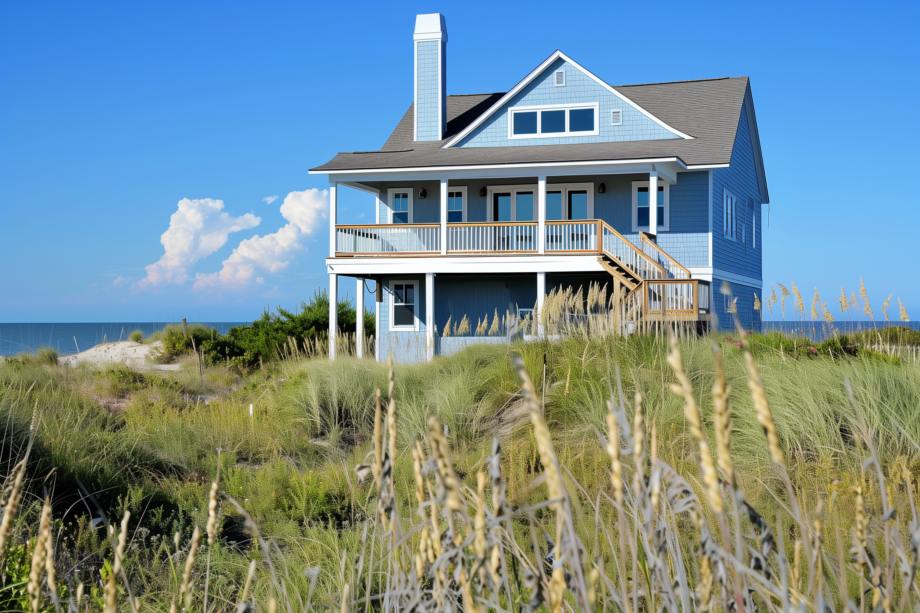
Between the Highways: Properties between Beach Road and Beach Bypass are predominantly rental homes and beach cottages. The majority are on pilings with classic beach architecture. Strong STR market with good regulations.
West Side: Properties west of the 4-lane Beach Bypass are typically year-round residential homes. While some STRs are permitted (particularly soundfront properties), regulations are more stringent to protect residential neighborhoods.
Colington: Located west of Kill Devil Hills proper, Colington Island communities are almost entirely year-round residential with limited STR opportunities.
HOA and Community Restrictions
Always verify:
- Individual condo or townhouse complex rules
- Neighborhood covenants and restrictions
- Minimum stay requirements in certain communities
- Rental caps in multi-unit buildings
Critical Due Diligence: Before purchasing any property for STR use in Kill Devil Hills, confirm both town zoning designation and any private community restrictions. Oceanfront and “between the highways” locations generally offer the most straightforward path to STR operation.
Required Documentation for Kill Devil Hills Short-Term Rentals
To operate legally, maintain these essential documents:
- Town Vacation Rental Permit: Must be current and available for inspection
- North Carolina Sales Tax Registration: Required for tax collection
- Dare County Occupancy Tax Account: Required for local tax remittance
- Written Rental Agreement: Required by NC Vacation Rental Act for all guests
- Liability Insurance Policy: Minimum $1,000,000 coverage strongly recommended
- Safety Compliance Documentation: Proof of smoke/CO detectors and fire safety equipment
- Local Contact Information: Designated representative details filed with town
- Parking Documentation: Proof of adequate off-street parking
- Occupancy Certification: Documentation of maximum allowable occupancy
- Guest Registration Records: Required by town for all rentals
Well-organized documentation is essential not only for compliance but also for protecting your investment. Many successful Kill Devil Hills operators maintain both digital and physical records, with copies readily available for any town inspections or guest inquiries.
Kill Devil Hills Short-Term Rental Taxes
The tax structure for STRs in Kill Devil Hills involves state, county, and potentially local taxes:
State Taxes
- North Carolina Sales Tax: 4.75% state rate
- Local Sales Tax: 2% Dare County rate
- Combined Sales Tax: 6.75% total
Local Occupancy Tax
- Dare County Occupancy Tax: 6% of gross rental receipts
- Applies to all rentals of fewer than 90 days
- Does not apply to rentals of fewer than 15 days per calendar year
- Does not apply if guest stays 90+ continuous days
Total Tax Burden
When combined, guests in Kill Devil Hills typically pay approximately 12.75% in total taxes on their rental (6.75% sales tax + 6% occupancy tax).
Collection and Remittance
Sales Tax:
- Register with North Carolina Department of Revenue
- File and remit monthly (or quarterly if revenue is lower)
- Platforms like Airbnb may collect and remit automatically, but verify
Occupancy Tax:
- Register with Dare County Tax Department
- File and remit by the 20th of each month
- Returns required even if no rentals occurred
- Failure to file incurs minimum $50 penalty even with zero tax owed
Tax Reporting Process
- Register for all applicable tax accounts before your first rental
- Collect taxes from guests as part of the total rental charge
- Maintain detailed records of all rental income and taxes collected
- File monthly returns by the 20th of the following month
- Remit all collected taxes with your returns
- Keep copies of all filings for at least three years
Many Kill Devil Hills STR operators work with local property managers or specialized vacation rental accountants who handle all tax compliance, significantly simplifying this complex aspect of operations.
Safety Requirements and Inspections
North Carolina and Kill Devil Hills maintain important safety standards for all STR properties:
Required Safety Equipment
Under the North Carolina Vacation Rental Act and local requirements:
- Smoke Detectors: Required in every bedroom/sleeping area and living rooms
- Must be located on or near ceiling
- Battery-operated or hardwired acceptable
- Test regularly and replace batteries
- Carbon Monoxide Detectors: Required on each level
- Place at knee level or height of electrical outlets
- Required if property has gas appliances or fireplace
- Test regularly for proper function
- Fire Extinguishers: Recommended on each level and in kitchen
- ABC-rated extinguishers suitable for all fire types
- Mount in easily accessible locations
- Inspect and maintain regularly
- Emergency Information: Clearly posted for guests
- Emergency contact numbers (911, local emergency services)
- Local contact person information
- Evacuation routes and procedures
- Location of safety equipment
Outer Banks-Specific Safety Considerations
The coastal location creates additional safety requirements:
Hurricane Preparedness:
- Provide guests with evacuation information
- Include hurricane preparation checklist in guest materials
- Understand Dare County mandatory evacuation procedures
- Maintain valid property owner reentry permit (non-resident owners need Red or Green plastic hanging placard)
Beach and Ocean Safety:
- Post rip current and beach safety information
- Include tide charts and beach flag system explanations
- Warn about strong currents and undertow
- Provide information about lifeguarded beach areas
Property-Specific Hazards:
- Homes on pilings require clear stair/deck railings
- Steep driveways common in beach areas need warning signage
- Outdoor showers and beach access points need proper lighting
- Swimming pools require safety equipment per state law
Inspection Requirements
While Kill Devil Hills doesn’t mandate annual property inspections like some municipalities, properties must:
- Meet all state safety requirements at time of permit application
- Pass any inspections required by permit process
- Maintain compliance throughout rental period
- Be subject to inspection if complaints received
Property owners are responsible for ongoing maintenance of all safety equipment, even without formal inspection programs.
Kill Devil Hills vs. Surrounding Outer Banks Communities: Regulation Comparison
How do Kill Devil Hills regulations compare to other Outer Banks towns?
Kitty Hawk (North of KDH)
- Similar permitting requirements
- Comparable tax structure
- Mix of year-round residential and vacation rentals
- Less commercial development than KDH
Nags Head (South of KDH)
- More structured STR permit program
- Distinguishes between “whole house” and “partial house” rentals
- Similar occupancy tax rates
- More established vacation rental market
Duck (North Outer Banks)
- More restrictive STR regulations
- Higher average property values
- Stricter architectural standards
- More upscale vacation rental market
Southern Shores
- Very restrictive residential zoning
- Limited STR opportunities outside commercial zones
- Primarily year-round residential community
- Higher barriers to entry for STR investors
Hatteras Island Communities
- More permissive STR environment
- Lower property costs
- Longer drive from mainland
- Different market dynamics (more remote, authentic OBX experience)
Kill Devil Hills occupies a sweet spot in the Outer Banks STR market—centrally located with good beach access, reasonable property costs, established vacation infrastructure, and relatively straightforward (though not non-existent) regulations. This combination makes it particularly attractive for both first-time and experienced STR investors.
Enforcement of STR Rules in Kill Devil Hills
Understanding enforcement helps you assess compliance risks:
Compliance Monitoring
Kill Devil Hills uses several enforcement mechanisms:
- Complaint-based enforcement (primary method)
- Guest registration verification
- Occupancy limit monitoring (particularly during peak season)
- Parking violation enforcement
- Noise ordinance enforcement
Common Violations
The most frequent issues reported include:
- Operating without proper vacation rental permit
- Exceeding occupancy limits
- Inadequate parking/guests parking on streets
- Noise violations (particularly late-night disturbances)
- Failure to register guests with town
- Trash management issues
- Tax collection/remittance failures
Penalties
Violations can result in:
- Fines for permit violations
- Permit suspension or revocation
- Inability to obtain future permits
- Liens for unpaid occupancy taxes
- Criminal charges for continued operation without permits
Enforcement Philosophy
Kill Devil Hills takes a relatively balanced approach to enforcement:
- Town responds to neighbor complaints promptly
- Focus on properties creating public nuisances
- Working relationship with responsible property managers encouraged
- Educational approach for first-time minor violations
- Strict enforcement for repeat offenders or egregious violations
Notably, some online sources suggest that enforcement is somewhat limited, with not all Airbnb listings displaying required license numbers. However, this should not be interpreted as license to operate non-compliantly. Enforcement can intensify based on community complaints, and operating without proper permits exposes you to significant financial and legal risks.
How to Start a Short-Term Rental Business in Kill Devil Hills
Follow this roadmap to launch your Kill Devil Hills STR:
Step 1: Market Research & Property Selection
- Research different areas of Kill Devil Hills (oceanfront, between highways, west side)
- Analyze comparable rental rates and occupancy patterns using platforms like AirDNA
- Consider seasonal access (some areas more challenging in winter)
- Evaluate proximity to beach access points, Wright Brothers Memorial, and attractions
- Determine target guest demographics (families, couples, fishing enthusiasts, etc.)
- Calculate potential ROI including high season and shoulder seasons
Step 2: Zoning & Regulation Verification
- Confirm property zoning allows short-term rentals
- Verify no HOA/condo association restrictions
- Check for any special community covenants
- Review Dare County septic/water capacity for occupancy limits
- Contact Kill Devil Hills Planning and Inspections Department for specific property guidance
Step 3: Acquisition & Setup
- Purchase property or secure owner authorization
- Renovate with Outer Banks aesthetic and durability in mind
- Beach-appropriate furnishings (easy to clean, sand-friendly)
- Coastal décor appealing to vacationers
- Outdoor shower and beach equipment storage
- Install all required safety equipment
- Create inviting outdoor spaces (decks, patios, outdoor dining)
- Consider amenities that justify premium rates (hot tubs, game rooms, beach gear)
Step 4: Permitting & Licensing
- Register for North Carolina Sales Tax with NC Department of Revenue
- Register for Dare County Occupancy Tax with Dare County Tax Department
- Apply for Kill Devil Hills Vacation Rental Permit through Planning Department
- Submit property information and zoning verification
- Provide local contact designation
- Document parking availability
- Demonstrate safety equipment compliance
- Secure liability insurance (minimum $1,000,000 recommended)
- Obtain any required building/renovation permits if doing construction
Step 5: Operations Setup
- Create compelling listings on Airbnb, VRBO, and vacation rental platforms
- Professional photos showcasing beach location
- Highlight proximity to Wright Brothers Memorial, Avalon Pier, beach access
- Emphasize Outer Banks experience and amenities
- Set up proper tax collection systems (may be automated by platforms)
- Establish cleaning and maintenance protocols
- Reliable local cleaning service essential
- Maintenance contacts for HVAC, plumbing, electrical
- Pool/hot tub service if applicable
- Develop comprehensive house rules and guest communications
- Create detailed guest guidebook featuring:
- Kill Devil Hills beach access points
- Wright Brothers Memorial and local attractions
- Restaurant recommendations (Goombays, Duck Donuts, local seafood)
- Fishing opportunities (Avalon Pier, charter boats)
- Safety information (rip currents, hurricane protocols)
- Install keyless entry system for seamless check-ins
- Connect with local property managers if managing remotely
Step 6: Ongoing Compliance
- File occupancy tax returns monthly by the 20th
- File sales tax returns according to your filing schedule
- Maintain guest registration records
- Renew vacation rental permit as required
- Keep all safety equipment functional and up to date
- Stay informed about any regulation changes
- Respond promptly to neighbor or guest concerns
- Monitor occupancy limits strictly
- Ensure guests understand parking requirements
Advice from Successful Kill Devil Hills STR Operators
Insights from experienced Kill Devil Hills vacation rental owners:
“Oceanfront properties between Mile Posts 5-9 are the gold standard. Yes, you pay more upfront, but occupancy rates stay high even in shoulder seasons when properties two blocks back struggle.” – Michael T., owner of 3 KDH oceanfront homes
“We invested heavily in beach amenities—beach chairs, umbrellas, boogie boards, beach cart—and it’s mentioned in almost every 5-star review. Guests don’t want to rent this stuff separately.” – Jennifer L., 8-year KDH property manager
“The peak summer weeks book a year in advance. We opened reservations for summer 2026 in September 2025 and were 70% booked within two weeks. Don’t wait to capture that demand.” – David K., KDH Superhost since 2018
“Building relationships with your nearest neighbors is worth its weight in gold. We provide them our contact info, check in occasionally, and they’ve never called the town with complaints—they call us if there’s an issue.” – Sarah P., between-the-highways property owner
“Dynamic pricing software paid for itself in the first month. The Outer Banks market is incredibly seasonal and competitive. Manual pricing would have cost me thousands in lost revenue.” – Robert H., owner of 2 KDH rentals
“Don’t underestimate the importance of hurricane preparation information. Guests from inland areas have no idea what to expect. Clear communication prevents panic and bad reviews.” – Amanda W., Kill Devil Hills property manager
The consensus among successful operators is that Kill Devil Hills rewards investors who maintain full compliance, provide exceptional guest experiences showcasing authentic Outer Banks charm, and adapt pricing strategies to the highly seasonal nature of the market.
Who to Contact About Kill Devil Hills STR Regulations
For official information and assistance:
Town of Kill Devil Hills – Planning and Inspections Department
- Address: 102 Town Hall Drive, P.O. Box 1719, Kill Devil Hills, NC 27948
- Phone: (252) 449-5318
- Email: permits@kdhnc.com
- Website: www.kdhnc.com
- Hours: Monday-Friday, 8:00 a.m. – 5:00 p.m.
- For vacation rental permits and zoning questions
Dare County Tax Department – Occupancy Tax
- Address: P.O. Box 1000, Manteo, NC 27954
- Phone: (252) 475-5960
- Website: www.darenc.gov/departments/tax-department/occupancy-tax
- For occupancy tax registration and filing
North Carolina Department of Revenue
- Phone: (877) 252-3052
- Website: www.ncdor.gov
- For sales tax registration and questions
Dare County Emergency Management
- For hurricane evacuation information and reentry permits
- Website: www.darenc.gov/departments/emergency-management
Future Outlook for Kill Devil Hills STR Regulations
What to expect for Kill Devil Hills STR regulations going forward:
- Increased Enforcement Technology: Potential implementation of automated monitoring systems to track STR listings and verify permits
- Occupancy Tax Automation: Possible partnerships with booking platforms for direct occupancy tax collection and remittance
- Workforce Housing Initiatives: Growing focus on balancing STR growth with year-round housing needs may lead to some restrictions in certain residential zones
- Hurricane Preparedness Requirements: Potential for more formalized guest education requirements regarding evacuation procedures
- Noise Monitoring Technology: Some Outer Banks communities exploring remote noise monitoring; Kill Devil Hills may follow
- Good Neighbor Programs: Potential incentives for STRs maintaining positive community relationships
Despite potential regulatory evolution, the outlook remains positive for STR investors in Kill Devil Hills. The town recognizes vacation rentals as essential to the local economy, and the Outer Banks’ enduring appeal as a vacation destination continues to drive strong demand. The combination of rich history, pristine beaches, excellent fishing, and authentic coastal charm ensures Kill Devil Hills will remain one of the East Coast’s premier vacation rental markets.
Ready to Invest in Kill Devil Hills Short-Term Rentals?
Kill Devil Hills offers exceptional potential for STR investors who understand and navigate the regulatory landscape properly. With strong annual revenues averaging $46,000+, healthy occupancy rates of 60% (reaching 80-90% in peak season), and average daily rates of $218, the financial opportunity is compelling.
The town’s central Outer Banks location, rich aviation history, miles of beautiful beaches, and relatively straightforward regulatory environment create an ideal combination for both first-time STR investors and experienced operators looking to expand their portfolios. From oceanfront luxury homes to cozy beach cottages “between the highways,” Kill Devil Hills offers investment options across various price points and strategies.
🔥 Ready to find the best STR deals in Kill Devil Hills and beyond? Subscribe to The Offer Sheet and join 110,000+ investors getting curated, profitable short-term rental opportunities delivered directly to your inbox 6x/week.
⭐️ Already a subscriber? Upgrade to Pro to get access to 40+ properties daily, exclusive off-market deals, and premium analysis tools to maximize your STR investment returns.
Remember: Always consult with local legal and tax professionals before making investment decisions.