
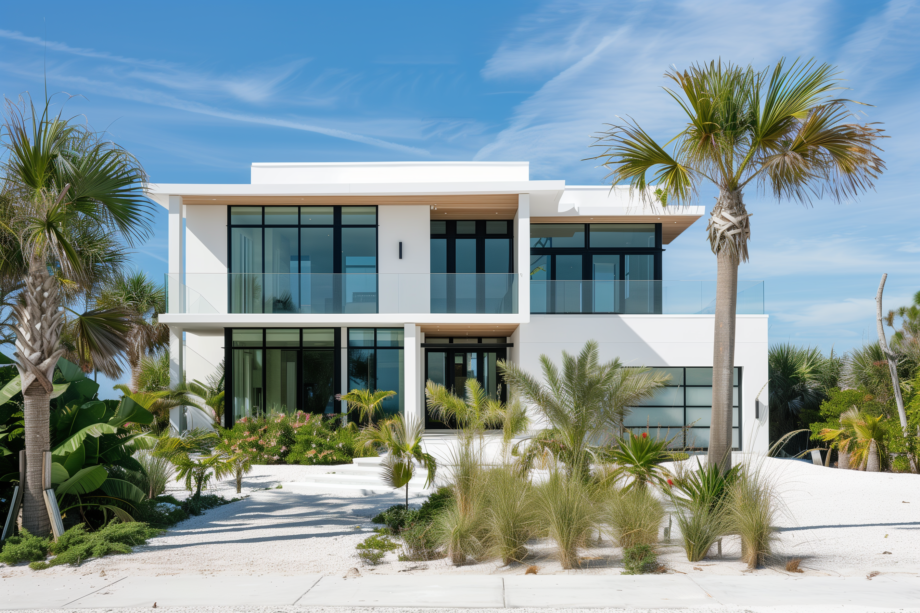
Thinking About Starting an Airbnb in Madeira Beach?
🔥 Join 110,000+ real estate investors getting the most unique & profitable short-term rental investment opportunities delivered to your inbox, 6x/week. Subscribe Now
Disclaimer: This article is for informational purposes only and not legal advice. Regulations may have changed since publication. Always check with local authorities and consult a legal professional before making investment decisions.
Last updated: October 2025
Contents
- Introduction to Short-Term Rentals in Madeira Beach
- Understanding Madeira Beach’s Zoning-Based STR Framework
- Required Licensing and Registration
- Madeira Beach Short-Term Rental Taxes
- Required Documentation
- Safety Requirements and Code Compliance
- Madeira Beach vs. Nearby Gulf Coast Communities: Regulation Comparison
- Enforcement of STR Rules in Madeira Beach
- How to Start a Short-Term Rental Business in Madeira Beach
- Advice from Successful Madeira Beach STR Operators
- Who to Contact About Madeira Beach STR Regulations
- Future Outlook for Madeira Beach STR Regulations
- Ready to Invest in Madeira Beach Short-Term Rentals?
Introduction to Short-Term Rentals in Madeira Beach
Madeira Beach—known locally as “Mad Beach”—sits at the heart of Florida’s Gulf Coast, offering investors access to one of the Tampa Bay area’s most desirable beach destinations. This barrier island community, famous for its white-sand beaches, John’s Pass Village & Boardwalk, and exceptional fishing opportunities, attracts year-round tourists seeking authentic Gulf Coast experiences.
Located just minutes from St. Petersburg and Tampa International Airport, Madeira Beach occupies prime real estate in Pinellas County, Florida’s densest county with nearly 600 miles of coastline. The city’s central location between the bustling Clearwater Beach to the north and the more laid-back Treasure Island and St. Pete Beach to the south creates steady vacation rental demand across all seasons.
However, Madeira Beach presents one of Florida’s most complex regulatory environments for short-term rental investors. Unlike many Gulf Coast communities that embrace vacation rentals, Madeira Beach has historically implemented strict zoning-based restrictions on rentals under 30 days. The city’s approach—designed to preserve residential neighborhood character while supporting tourism in commercial areas—requires investors to thoroughly understand zoning designations before purchasing property.
This comprehensive guide breaks down everything you need to know about navigating Madeira Beach’s short-term rental landscape in 2025, from zoning restrictions and business licensing to tax obligations and enforcement patterns.
Understanding Madeira Beach’s Zoning-Based STR Framework
Critical First Step: Madeira Beach regulates short-term rentals primarily through zoning restrictions rather than blanket ordinances. Whether you can legally operate an STR depends entirely on your property’s zoning classification.
Zoning Districts and STR Eligibility
Madeira Beach maintains a “Vacation Rental Restriction Map” that clearly delineates where short-term rentals (defined as rentals under 30 days) are permitted:
STRs Generally Permitted:
- C-1 Tourist Commercial zones
- C-2 General Commercial zones
- Certain designated overlays (John’s Pass area)
STRs Generally Restricted or Prohibited:
- R-1 Single-Family Residential zones
- R-2 Medium Density Residential zones
- Most residential neighborhoods
The 30-Day Threshold
Madeira Beach defines short-term rentals as any rental period less than 30 consecutive days. This distinction is critical:
- Rentals under 30 days: Subject to zoning restrictions; prohibited in most residential zones
- Rentals 30+ days: Generally permitted across all zoning districts (subject to standard landlord-tenant laws)
Verifying Your Property’s Status
Before purchasing any property for STR investment in Madeira Beach:
- Check the Zoning Map: Visit Madeira Beach’s official “Zoning and Rental Restrictions Interactive Map” at madeirabeachfl.gov
- Contact Community Development: Verify current zoning and any recent ordinance changes
- Review HOA/Condo Restrictions: Many properties have additional private restrictions beyond city zoning
- Confirm with Planning Department: Get written confirmation of STR eligibility before closing
Warning: Properties advertised on Airbnb/VRBO in restricted zones may be operating illegally. Do not assume existing listings indicate legality.
Required Licensing and Registration
For properties legally eligible to operate as short-term rentals, Madeira Beach requires:
1. Local Business Tax Receipt
All STR operators must obtain a business tax receipt from the City of Madeira Beach:
- Application: Filed with City Hall
- Initial Fee: Varies based on business classification
- Annual Renewal: Required each year
- Display Requirement: Must be posted visibly at the rental property
2. Resort Tax Registration
Separate registration required for tourist development tax collection:
- Registration: Through Pinellas County Tax Collector
- Account Number: Must be displayed at property
- Ongoing Obligation: Monthly reporting required even in months with zero rentals
3. Florida Sales Tax Certificate
State-level registration with Florida Department of Revenue:
- Certificate: Required for collecting state sales tax
- Application: Online at floridarevenue.com
- Dealer Number: Obtained upon registration
Application Process Timeline
- Business Tax Receipt: 2-3 weeks processing
- Tourist Development Tax Registration: 1-2 weeks
- State Sales Tax Registration: Immediate (online process)
Critical Note: Operating without proper licenses subjects owners to fines, back-taxes, penalties, and potential cease-and-desist orders.
Madeira Beach Short-Term Rental Taxes
The tax structure for eligible STR properties in Madeira Beach is among Florida’s highest:
State Taxes
- Florida Sales Tax: 7% of gross rental receipts
- Collection: Auto-collected by platforms like Airbnb/VRBO for their bookings
Local Taxes
- Pinellas County Tourist Development Tax: 6% of gross rental receipts
- Collection Method: Property owners must collect and remit directly to Pinellas County Tax Collector
- Critical: Platforms do NOT collect the 6% TDT—this is owner’s responsibility
Total Tax Burden
Combined Tax Rate: 13% of gross rental receipts
- 7% State Sales Tax (platform-collected for their bookings)
- 6% Pinellas County TDT (owner-collected and remitted)
Tax Filing Requirements
Monthly Filing Mandatory:
- Tourist Development Tax: Due by 20th of following month
- State Sales Tax: Monthly or quarterly based on volume
- Zero Returns Required: Must file even in months with no rental activity
- Penalties: 10% of tax due or $50 minimum (whichever is greater) plus interest for late filing
Tax Collection Allowance
Property owners who file and pay electronically and on-time may deduct a collection allowance:
- Rate: 2.5% of tax collected
- Maximum: $30 per filing period
- Requirement: Must file and pay electronically to qualify
What’s Taxable?
All rental charges including:
- Nightly/weekly rental rates
- Cleaning fees
- Pet fees
- Damage insurance fees
- Any other charges as condition of rental
Record Retention
Maintain all rental records, tax filings, and guest documentation for minimum three years for audit purposes.
Required Documentation
Maintain these essential documents for legal operation:
- City of Madeira Beach Business Tax Receipt: Current and displayed
- Pinellas County Tourist Development Tax Account Number: Registered and active
- Florida Sales Tax Certificate: From Department of Revenue
- Liability Insurance Policy: Minimum $1,000,000 coverage strongly recommended
- Proof of Zoning Compliance: Documentation showing property is in permitted zone
- Rental Agreements: Copies of all guest rental agreements
- Tax Filing Records: Three years of returns and payments
- HOA/Condo Approval: Where applicable, written approval for STR use
- Property Inspection Records: Any code enforcement or safety inspections
- Emergency Contact Information: 24/7 contact readily available for guests and authorities
Safety Requirements and Code Compliance
Madeira Beach enforces standard Florida safety requirements for rental properties:
Required Safety Equipment
- Smoke Detectors: On each level and in all sleeping areas
- Carbon Monoxide Detectors: Required if property has fuel-burning appliances
- Fire Extinguishers: Readily accessible
- Emergency Exit Information: Posted clearly
- Egress Windows: Bedrooms must meet code requirements
- Handrails/Guardrails: On stairs and elevated decks
Coastal-Specific Safety Considerations
Gulf Coast location creates additional safety factors:
- Hurricane Preparedness: Storm shutters, evacuation information
- Pool Safety: Fencing, alarms, signage (where applicable)
- Beach Safety Information: Rip current awareness, flag system
- Lightning Safety: Gulf Coast leads nation in lightning strikes
- Hot Weather Protocols: Air conditioning functionality critical
Code Enforcement
Madeira Beach Code Enforcement (contracted through Pinellas County Sheriff’s Office) actively monitors:
- Chronic nuisance properties
- Short-term rental compliance
- Health and safety violations
- Noise complaints
- Parking violations
Contact: (727) 391-9951 ext. 295
Madeira Beach vs. Nearby Gulf Coast Communities: Regulation Comparison
How do Madeira Beach’s regulations compare to neighboring beach towns?
St. Pete Beach
- More permissive STR framework than Madeira Beach
- Allows limited STRs in certain residential zones (3 times per year maximum)
- Rentals 30+ days permitted broadly
- Similar tax structure (13% total)
Treasure Island
- More restrictive than both Madeira Beach and St. Pete Beach
- Strict occupancy limits
- Enhanced enforcement in recent years
- Similar tax rates
Clearwater Beach
- More established STR market
- Broader zoning permissions
- Higher property values and rental rates
- Same tax structure
Indian Rocks Beach/Indian Shores
- Generally more permissive regulations
- Strong vacation rental culture
- Less restrictive than Madeira Beach
- Similar tourism appeal
Many investors find that while Madeira Beach offers excellent location and tourism appeal, its restrictive zoning makes finding eligible properties more challenging than neighboring communities. However, properties in permitted zones (particularly near John’s Pass) can command premium rates due to limited competition from residential-zone properties.
Enforcement of STR Rules in Madeira Beach
Understanding enforcement patterns helps assess compliance risks:
Enforcement Mechanisms
Madeira Beach employs multi-faceted enforcement:
- Code Enforcement Patrols: Regular monitoring by contracted deputies
- Complaint-Based System: Neighbor complaints trigger investigations
- Platform Monitoring: Periodic review of Airbnb/VRBO listings
- Tax Audits: Pinellas County and state tax compliance reviews
- Zoning Violation Citations: For properties operating in restricted zones
Common Violations
The most frequent issues include:
- Operating in Restricted Zones: Single biggest violation (properties in R-1, R-2 zones renting under 30 days)
- No Business Tax Receipt: Operating without city license
- Tax Non-Compliance: Failure to collect/remit tourist development tax
- Parking Violations: Exceeding available parking
- Noise/Nuisance Complaints: Disturbances affecting residential neighbors
- Occupancy Violations: Exceeding maximum occupancy limits
- Missing Safety Equipment: Code violations during inspections
Penalties and Consequences
Violations can result in:
- Fines: Escalating penalties for continued violations
- Cease and Desist Orders: Immediate cessation of rental operations required
- Tax Liens: For unpaid taxes, penalties, and interest
- Business License Revocation: Loss of right to operate
- Criminal Charges: For persistent violations after notice
- Civil Liability: Guest injuries at non-compliant properties
Historical Context
Madeira Beach has a documented history of cracking down on illegal short-term rentals in residential zones. A 2019 Tampa Bay Times article highlighted the city’s enforcement efforts, noting many properties continued operating “in the dark” despite restrictions.
The city’s position: Preserve residential neighborhood character while channeling tourism to designated commercial areas.
How to Start a Short-Term Rental Business in Madeira Beach
Follow this roadmap—with extra emphasis on zoning verification:
Step 1: Zoning Research (MOST CRITICAL)
- Access Rental Restriction Map: Visit madeirabeachfl.gov for official zoning map
- Identify Eligible Zones: Focus search on C-1, C-2, and permitted overlay districts
- Avoid Residential Zones: Do not purchase R-1 or R-2 zoned properties for STR use
- Get Written Confirmation: Contact Planning & Zoning for written confirmation before purchase
Step 2: Property Selection
- Target Commercial/Tourist Zones: Properties near John’s Pass Village, Gulf Boulevard commercial areas
- Verify Multiple Sources: Check city map, county records, and get official confirmation
- Review Condo/HOA Documents: Ensure no private restrictions beyond city regulations
- Assess Competition: Analyze existing legal STRs in the area
- Consider Parking: Adequate on-site parking essential (street parking limited)
Step 3: Due Diligence
- Title Search: Ensure clean title and proper zoning designation
- Code Violation Search: Check for any outstanding violations on property
- Flood Zone Verification: Most Madeira Beach properties in flood zones (insurance costs)
- Hurricane History: Assess storm damage history and mitigation
- Rental History: If existing STR, verify licensing and tax compliance
Step 4: Licensing & Registration
- Apply for Business Tax Receipt: City of Madeira Beach
- Register for Tourist Development Tax: Pinellas County Tax Collector
- Obtain Florida Sales Tax Certificate: Florida Department of Revenue
- Secure Insurance: Specialized STR/coastal property coverage
- Set Up Tax Collection Systems: Monthly filing infrastructure
Step 5: Property Preparation
- Install Safety Equipment: All required smoke/CO detectors, extinguishers
- Furnish Completely: Beach-appropriate, durable, hurricane-resistant furnishings
- Create Outdoor Spaces: Gulf Coast lifestyle expectations (deck, grill area)
- Provide Beach Equipment: Chairs, umbrellas, coolers, beach towels
- Weather-Proof: Hurricane shutters, flood-resistant materials
- Keyless Entry: Remote check-in systems
- High-Quality Photography: Showcase Gulf location and John’s Pass proximity
Step 6: Operations Setup
- List on Multiple Platforms: Airbnb, VRBO, direct booking site
- Emphasize Location: John’s Pass, beach access, fishing, dining
- Implement Tax Collection: Systems for owner-collected 6% TDT
- Establish Local Support: Cleaning, maintenance, property management
- Create Guest Guide: Beach rules, John’s Pass attractions, restaurant recommendations
- Emergency Protocols: Hurricane procedures, local emergency contacts
Step 7: Ongoing Compliance
- File Monthly Tax Returns: Never miss TDT filing deadlines (20th of month)
- Renew Business License: Annual renewal required
- Maintain Records: Three-year retention for audits
- Monitor Regulations: City ordinances can change
- Respond to Issues: Address neighbor concerns promptly
- Stay Insured: Maintain adequate coverage
Advice from Successful Madeira Beach STR Operators
Insights from experienced Madeira Beach vacation rental owners:
“Zoning is everything in Madeira Beach. I passed on three properties before finding one in the right zone near John’s Pass. Don’t cut corners on this—it’s the difference between legal and illegal operation.” – Thomas R., 4-year STR owner
“The 13% combined tax rate surprised me initially, but guests expect to pay it in Florida beach destinations. Build it into your pricing strategy from day one.” – Maria K., property manager handling 6 Madeira Beach rentals
“John’s Pass proximity is the key differentiator. Properties within walking distance to the boardwalk command significant premiums and maintain higher occupancy year-round.” – David L., Madeira Beach investor since 2018
“Don’t underestimate hurricane season impact. From June through November, you need comprehensive insurance, storm prep protocols, and clear guest communication about evacuation procedures.” – Jennifer S., Superhost managing 3 Gulf Coast properties
“The monthly TDT filing is non-negotiable. Set calendar reminders and file even when you have zero rentals. The penalties add up fast, and the county doesn’t make exceptions.” – Robert M., 8-year Mad Beach STR operator
The consensus: Madeira Beach rewards investors who do thorough zoning homework, maintain meticulous tax compliance, and leverage the city’s exceptional Gulf Coast location and John’s Pass appeal.
Who to Contact About Madeira Beach STR Regulations
For official information and assistance:
City of Madeira Beach
- City Hall: 300 Municipal Drive, Madeira Beach, FL 33708
- Phone: (727) 391-9951
- Website: madeirabeachfl.gov
- Hours: Monday-Friday, 8:30 AM – 4:30 PM
Community Development Department
- Planning & Zoning: (727) 391-9951
- Zoning verification and rental restriction information
- Interactive zoning map available online
Code Enforcement
- Phone: (727) 391-9951 ext. 295
- Contracted through Pinellas County Sheriff’s Office
- Enforcement of STR regulations and nuisance complaints
Pinellas County Tax Collector (Tourist Development Tax)
- Phone: (727) 464-5007
- Email: touristtax@pinellastaxcollector.gov
- Website: pinellastaxcollector.gov
- Online Filing: TouristExpress portal at pinellas.county-taxes.com/tourist
Florida Department of Revenue (Sales Tax)
- Phone: (850) 488-6800
- Website: floridarevenue.com
- Online Registration: floridarevenue.com/taxes
Visit St. Pete-Clearwater (Tourism Information)
- Information about Pinellas County tourism industry
- Marketing insights for STR operators
Future Outlook for Madeira Beach STR Regulations
What to expect for Madeira Beach vacation rental regulations going forward:
- Zoning Enforcement Enhancement: Continued or increased scrutiny of properties operating in restricted residential zones
- Technology Integration: Potential implementation of automated compliance monitoring systems
- Tax Collection Streamlining: Possible coordination between state and local tax collection systems
- Hurricane Recovery Regulations: Post-storm building standards may evolve (following 2024’s Hurricanes Helene and Milton)
- Tourism Development Tax Changes: State-level proposals could affect how TDT revenues are allocated
- Platform Cooperation: Enhanced data-sharing between cities, counties, and booking platforms
- Neighbor Protection Measures: Possible additional nuisance abatement procedures
- Parking Requirements: Potential clarification or enhancement of parking standards
Despite regulatory complexity, the outlook for properly zoned and licensed STRs in Madeira Beach remains positive. The city’s prime Gulf Coast location, John’s Pass Village appeal, year-round tourism, and proximity to Tampa Bay ensure continued strong demand for legal vacation rentals in permitted zones.
Madeira Beach’s tourism-dependent economy means the city supports vacation rentals in appropriate areas while protecting residential neighborhood character—a balance that creates opportunities for compliant investors.
Ready to Invest in Madeira Beach Short-Term Rentals?
Madeira Beach offers exceptional potential for vacation rental investors who thoroughly understand and navigate its zoning-based regulatory framework. With world-class beaches, the iconic John’s Pass Village & Boardwalk, outstanding fishing, and central Gulf Coast location, properly zoned Madeira Beach properties deliver strong returns for compliant operators.
🔥 Ready to find the best STR deals in Madeira Beach and beyond? Subscribe to The Offer Sheet and join 110,000+ investors getting curated, profitable short-term rental opportunities delivered directly to your inbox 6x/week.
⭐️ Already a subscriber? Upgrade to Pro to get access to 40+ properties daily, exclusive off-market deals, and premium analysis tools to maximize your STR investment returns.
Remember: Always consult with local legal and tax professionals before making investment decisions. In Madeira Beach, verify zoning eligibility before purchasing any property for short-term rental use.