
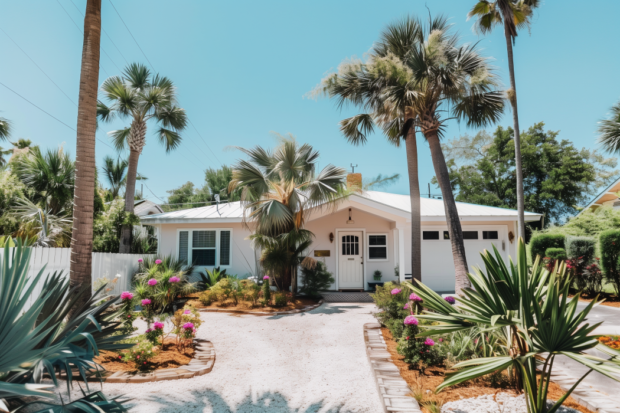
Thinking About Starting an Airbnb in Daytona Beach?
🔥 Join 150,000+ real estate investors getting the most unique & profitable short-term rental investment opportunities delivered to your inbox, 6x/week. Subscribe Now
Disclaimer: This article is for informational purposes only and not legal advice. Regulations may have changed since publication. Always check with local authorities and consult a legal professional before making investment decisions.
Contents
- Introduction to Short-Term Rentals in Daytona Beach
- Current Short-Term Rental Permit Requirements in Daytona Beach
- Zoning Regulations for STRs in Daytona Beach
- Required Documentation for Daytona Beach Short-Term Rentals
- Daytona Beach Short-Term Rental Taxes
- Safety Requirements and Inspections
- Daytona Beach vs. Surrounding Areas: Regulation Comparison
- Enforcement of STR Rules in Daytona Beach
- How to Start a Short-Term Rental Business in Daytona Beach
- Advice from Successful Daytona Beach STR Operators
- Who to Contact About Daytona Beach STR Regulations
- Future Outlook for Daytona Beach STR Regulations
- Ready to Invest in Daytona Beach Short-Term Rentals?
Introduction to Short-Term Rentals in Daytona Beach
Daytona Beach, Florida, stands as one of the most iconic beach destinations on the East Coast, drawing millions of visitors annually for its world-famous motorsports events, pristine beaches, and year-round sunshine. This enduring appeal has created substantial opportunities for short-term rental (STR) investors looking to capitalize on the consistent stream of tourists seeking quality accommodations.
From race fans flocking to the Daytona International Speedway to families enjoying beach vacations and business travelers attending conventions, the demand for vacation rentals remains strong throughout the year. The city’s strategic location, just an hour from Orlando’s theme parks and easily accessible from major metropolitan areas, makes it an attractive market for STR investment.
However, Daytona Beach has implemented specific regulations to manage the growing short-term rental market while balancing the needs of tourists, residents, and property owners. Unlike some Florida markets that have embraced STRs with minimal restrictions, Daytona Beach has established clear zoning limitations and licensing requirements that every investor must understand before diving in.
This comprehensive guide breaks down everything you need to know about operating a legal and profitable short-term rental in Daytona Beach in 2025, from zoning restrictions to permit requirements and beyond.
Current Short-Term Rental Permit Requirements in Daytona Beach
Daytona Beach requires multiple levels of licensing and permits for all short-term rental operations:
City-Level Requirements
- Business Tax Receipt: All businesses operating in Daytona Beach must obtain a Business Tax Receipt (formerly called occupational license).
- Annual requirement expiring September 30 each year
- Renewals available online or in-person at City Hall
- Potential inspection fee of $56.35 may apply depending on location
- Occupational License: Required for conducting any business within city limits
- Must be obtained from the city’s Business Licensing Department
- Part of the Business Tax Receipt process
State-Level Requirements
- Florida DBPR License: The Florida Department of Business and Professional Regulation requires licensing for most vacation rental operations.
- Required for properties rented for less than 30 days when owner is not present
- Exception: Single rooms rented while host remains on property
- Can be completed online through the DBPR website
- Annual renewal required
- Sales Tax Registration: Required for collecting and remitting Florida sales tax
- Must register with Florida Department of Revenue
- Necessary before applying for Tourist Development Tax account
County-Level Requirements
- Tourist Development Tax Registration: Volusia County requires registration for the “resort tax” or “bed tax”
- Must obtain Sales Tax Number from Florida Department of Revenue first
- Required for all short-term rental operations
- Monthly reporting and remittance required
The permit process typically takes 2-4 weeks from application to approval, so plan accordingly when launching a new STR property.
Zoning Regulations for STRs in Daytona Beach
Understanding where you can legally operate an STR in Daytona Beach is crucial before investing:
Permitted Zones
Short-term rentals are allowed in select locations, including certain major thoroughfares where hotels and motels typically operate, as well as specified regions along the beachfront, downtown, and Midtown. These rentals are permissible within four designated tourist zoning districts and thirteen redevelopment area zoning districts.
Specifically, STRs are generally permitted in:
- Tourist Commercial zones along major thoroughfares
- Beachfront areas east of certain boundaries
- Downtown Daytona Beach districts
- Midtown development areas
- Select redevelopment zones (13 designated areas)
Prohibited Areas
Short-term rentals are not permitted in areas designated for residential use. This includes:
- Residential zoning districts of all types
- Most single-family neighborhood areas
- Areas not specifically designated for tourist accommodations
Zoning Verification
Before purchasing any property for STR use in Daytona Beach:
- Consult the city’s Zoning GIS Information portal
- Contact the Planning and Zoning Department directly
- Verify both city zoning and any HOA restrictions
- Consider proximity to permitted zones if buying in restricted areas
The zoning restrictions in Daytona Beach are strictly enforced, making it essential to verify a property’s eligibility before purchase.
Required Documentation for Daytona Beach Short-Term Rentals
To operate legally, maintain these essential documents:
- Business Tax Receipt: Must be current and displayed in the property
- Florida DBPR License: Keep both physical and digital copies
- Sales Tax Certificate: Required for tax collection and remittance
- Tourist Development Tax Registration: For Volusia County bed tax collection
- Liability Insurance Policy: Minimum coverage levels vary by property type
- Property Safety Compliance Records: Documentation of required safety features
- Building Code Compliance: Verification of adherence to housing standards
- Zoning Verification: Documentation that property is in permitted zone
In Daytona Beach, vacation rentals fall under the category of ‘Other Accommodations.’ This designation refers to dwelling units rented or leased to transient persons or tourists for periods shorter than six months. No more than 20% of the gross floor area may be devoted to accessory uses, which should primarily serve short-term rental guests and be located within the principal building, without external advertising.
Daytona Beach Short-Term Rental Taxes
The tax structure for STRs in Daytona Beach involves multiple layers:
State Taxes
- Florida Sales Tax: 7% of gross rental receipts
- Local Option Sales Tax: Varies by location (typically 1-2%)
Local Taxes
- Volusia County Tourist Development Tax: 5% of gross rental receipts
- Additional local taxes: May apply depending on specific location
Collection Methods
While platforms like Airbnb and VRBO collect and remit Florida Sales Tax automatically, they don’t collect all required local taxes in Daytona Beach. You remain responsible for ensuring proper collection and remittance of all applicable taxes.
Tax Reporting Deadlines
- Monthly filing typically required
- Reports and payments due by the 20th of the following month
- Quarterly options may be available for smaller operations
- Late payments incur penalties and interest
Many successful STR operators in Daytona Beach work with local accountants who specialize in vacation rental tax compliance.
Safety Requirements and Inspections
Daytona Beach maintains safety standards for all STR properties:
Required Safety Equipment
- Smoke detectors on each level and in each bedroom
- Carbon monoxide detectors (if property has gas appliances or fireplace)
- Fire extinguishers on appropriate levels
- Clearly marked exits and emergency contact information
- Address visible from street for emergency services
- Compliance with building and housing codes
Inspection Process
- Initial inspection may be required before Business Tax Receipt issuance
- Inspection fee of $56.35 applies when required
- Scheduled after application approval and fee payment
- Annual compliance verification
Building Code Compliance
All STR properties must meet current building codes and housing standards as defined in the city’s “Other Accommodations” category.
Daytona Beach vs. Surrounding Areas: Regulation Comparison
How do Daytona Beach’s regulations compare to nearby communities?
Ormond Beach
- Stricter regulations with transient lodging prohibited in residential zones
- Similar licensing requirements
- More limited permitted areas
Daytona Beach Shores
- Separate municipal regulations
- Different zoning restrictions
- Own permit and licensing requirements
Unincorporated Volusia County
- County’s zoning ordinance, in place since 2004, prohibits rentals of less than 30 days in areas zoned for residential purposes. The code defines these short-term rentals as “hotel/motel use,” which is not permitted in residential neighborhoods.
- Similar restrictions to Daytona Beach
- County-level permits and taxes required
Many investors find that Daytona Beach offers clearer guidelines than some surrounding areas, though the zoning restrictions significantly limit available properties.
Enforcement of STR Rules in Daytona Beach
Understanding enforcement helps you assess compliance risks:
Compliance Monitoring
Daytona Beach uses several enforcement mechanisms:
- Active monitoring of online rental platforms
- Complaint-based enforcement
- Regular business license compliance checks
- Coordination with county tax authorities
Common Violations
The most frequent issues include:
- Operating without proper permits/licenses
- Advertising properties in non-permitted zones
- Tax collection/remittance failures
- Building code non-compliance
- Failure to renew Business Tax Receipt
Penalties
A Daytona Beach host reported that in November 2020, the city started issuing fines up to $15,000 for even posting a property on a short-term rental site, even without any bookings. Violations can result in:
- Fines up to $15,000 per violation
- Business license revocation
- Prohibition from obtaining future permits
- Legal action for continued violations
Enforcement has become increasingly rigorous, with the city actively monitoring platforms like Airbnb and VRBO for unpermitted listings.
How to Start a Short-Term Rental Business in Daytona Beach
Follow this roadmap to launch your Daytona Beach STR:
Step 1: Market Research & Property Selection
- Research permitted zoning areas thoroughly
- Consider proximity to beach, speedway, and other attractions
- Analyze rental rates and occupancy patterns
- Evaluate potential ROI based on location restrictions
Step 2: Zoning & Regulation Verification
- Verify property is in a permitted zone using city GIS tools
- Contact Planning and Zoning Department for confirmation
- Check for any HOA or deed restrictions
- Ensure property meets “Other Accommodations” standards
Step 3: Acquisition & Setup
- Purchase property or secure owner authorization
- Renovate with racing/beach theme and guest comfort in mind
- Install all required safety equipment
- Ensure compliance with building codes
Step 4: Permitting & Licensing
- Apply for Business Tax Receipt with the city
- Obtain Florida DBPR vacation rental license
- Register for Florida sales tax
- Register for Volusia County Tourist Development Tax
- Schedule any required inspections
Step 5: Operations Setup
- Create listings highlighting racing events and beach access
- Set up proper tax collection systems
- Establish cleaning/maintenance protocols
- Develop house rules and guest communications
- Create guest guidebook with local attractions and race schedules
Step 6: Ongoing Compliance
- Maintain all required documentation
- File taxes timely
- Renew all licenses annually (Business Tax Receipt by Sept 30)
- Stay updated on regulation changes
- Monitor zoning compliance continuously
Advice from Successful Daytona Beach STR Operators
Insights from experienced Daytona Beach vacation rental owners:
“Location is everything in Daytona Beach. Properties near the beach in permitted zones command premium rates during race weeks and bike weeks. We see 300% rate increases during Daytona 500 week.” – Mark T., owner of 4 beachfront rentals
“Understanding the zoning restrictions saved us from a costly mistake. We almost bought a beautiful property in a residential area that would have been illegal to rent short-term.” – Sarah L., Daytona Beach property manager
“The racing calendar drives our pricing strategy. We book solid during Speed Weeks, Bike Week, and the 400. Having themed décor really helps us stand out.” – Robert K., 6-year STR investor
“Working with a local property manager who understands all the tax requirements has been worth every penny. The compliance aspect is complex enough that DIY isn’t worth the risk.” – Jennifer M., out-of-state investor
The consensus among successful operators is that Daytona Beach rewards investors who understand the zoning restrictions and capitalize on the city’s unique motorsports tourism.
Who to Contact About Daytona Beach STR Regulations
For official information and assistance:
City of Daytona Beach Business Licensing
- Phone: (386) 671-8280
- Address: 301 S. Ridgewood Ave., Room 127B, Daytona Beach, FL 32114
- Website: daytonabeach.gov
- Email: Available through city website contact forms
City of Daytona Beach Planning & Zoning
- Phone: (386) 671-8180
- Address: 301 S. Ridgewood Ave., Daytona Beach, FL 32114
- Email: Available for zoning inquiries
Florida Department of Business & Professional Regulation
- Phone: (850) 487-1395
- Website: myfloridalicense.com
Volusia County Tourist Development Tax
- Phone: (386) 248-8181
- Website: volusia.org
Florida Department of Revenue
- Phone: (800) 352-3671
- Website: floridarevenue.com
Future Outlook for Daytona Beach STR Regulations
What to expect for Daytona Beach STR regulations going forward:
- Continued Strict Enforcement: The city is likely to maintain its aggressive enforcement approach given past crackdowns
- Potential Zoning Reviews: Possible adjustments to permitted zones based on community input
- Tax Structure Changes: Potential modifications to local tax rates or collection methods
- Technology Integration: Enhanced monitoring systems for compliance verification
- State Preemption Discussions: Ongoing Florida legislative discussions about local vs. state control
Despite regulatory challenges, the outlook for compliant STR operators remains positive due to Daytona Beach’s strong tourism fundamentals and year-round event calendar.
Ready to Invest in Daytona Beach Short-Term Rentals?
Daytona Beach offers significant potential for STR investors who understand and navigate the strict zoning and regulatory requirements. With its world-famous racing events, beautiful beaches, and consistent tourism demand, it remains one of Florida’s most unique vacation rental markets.
The key to success lies in thorough research of permitted zones, strict compliance with all licensing requirements, and capitalizing on the city’s motorsports heritage and beach appeal.
🔥 Ready to find the best STR deals in Daytona Beach and beyond? Subscribe to The Offer Sheet and join 150,000+ investors getting curated, profitable short-term rental opportunities delivered directly to your inbox 6x/week.
⭐️ Already a subscriber? Upgrade to Pro to get access to 40+ properties daily, exclusive off-market deals, and premium analysis tools to maximize your STR investment returns.
Remember: Always consult with local legal and tax professionals before making investment decisions.