
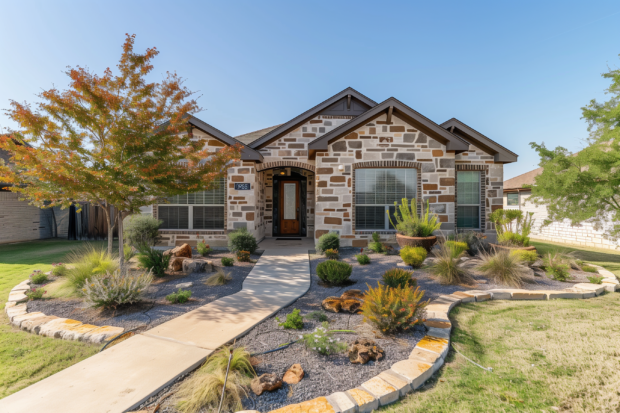
Thinking About Starting an Airbnb in Round Rock?
🔥 Join 150,000+ real estate investors getting the most unique & profitable short-term rental investment opportunities delivered to your inbox, 6x/week. Subscribe Now
Disclaimer: This article is for informational purposes only and not legal advice. Regulations may have changed since publication. Always check with local authorities and consult a legal professional before making investment decisions.
Contents
- Introduction to Short-Term Rentals in Round Rock
- Current Short-Term Rental Permit Requirements in Round Rock
- Zoning Regulations for STRs in Round Rock
- Required Documentation for Round Rock Short-Term Rentals
- Round Rock Short-Term Rental Taxes
- Safety Requirements and Inspections
- Round Rock vs. Surrounding Areas: Regulation Comparison
- Enforcement of STR Rules in Round Rock
- How to Start a Short-Term Rental Business in Round Rock
- Advice from Successful Round Rock STR Operators
- Who to Contact About Round Rock STR Regulations
- Future Outlook for Round Rock STR Regulations
- Ready to Invest in Round Rock Short-Term Rentals?
Introduction to Short-Term Rentals in Round Rock
Round Rock, Texas has emerged as a strategic location for short-term rental investors seeking to capitalize on the Austin metropolitan area’s explosive growth while operating under more favorable regulations than Austin proper. Located just 20 minutes north of downtown Austin, Round Rock offers investors the best of both worlds: proximity to major attractions, tech companies, and the University of Texas, combined with a more business-friendly regulatory environment.
This rapidly growing city of over 130,000 residents sits at the intersection of major highways I-35 and 183, making it a prime location for business travelers, tourists visiting Austin, families attending events at the Dell Diamond (home of the Round Rock Express), and visitors to major employers like Dell Technologies headquarters. The city’s location makes it particularly attractive during major Austin events like South by Southwest (SXSW), Austin City Limits Music Festival, and Formula 1 races when Austin accommodations are scarce and expensive.
Unlike Austin’s complex and restrictive STR regulations with caps and extensive permitting requirements, Round Rock has maintained a relatively straightforward approach to short-term rental oversight. The city requires operators to obtain a Temporary Use Permit (TUP) and comply with tax collection requirements, but doesn’t impose density caps or restrictive operational limitations that plague other markets.
However, Round Rock’s regulations are evolving. City officials have been monitoring STR growth and community impacts, leading to ongoing discussions about potential regulatory updates. Understanding the current framework and staying ahead of potential changes is crucial for investors looking to establish successful operations in this growing market.
Current Short-Term Rental Permit Requirements in Round Rock
Round Rock operates under a permit system that requires STR operators to obtain authorization before beginning operations:
Temporary Use Permit (TUP) Requirement
Annual Operating License: All STR properties must obtain an annual operating license as mandated by Ordinance No. 20160223-A.1.
Scope of Coverage: The permit requirement applies to all properties, including individual rooms, entire houses, and guest houses rented for less than 30 consecutive days.
Zoning Considerations: The TUP allows short-term rental use in zoning districts where such use would otherwise not be permitted, providing flexibility for operators in various neighborhoods.
Application Process
Department Oversight: The Planning & Development Services Department oversees the entire licensing and permitting process for STRs.
Application Fee: $50 application fee required with each TUP application.
Processing Time: Allow at least two weeks for application processing and approval.
Zoning Administrator Approval: Final approval is at the discretion of the Zoning Administrator.
Required Documentation
TUP Application: Complete Temporary Use Permit application form Site Plan: Detailed sketch site diagram indicating structures, fences, enclosures, and parking arrangements Floor Plan: Comprehensive floor plan of the property showing sleeping arrangements and common areas Liability Insurance: Proof of liability insurance coverage for the operation Fee Payment: $50 application fee payment
The streamlined application process reflects Round Rock’s generally business-friendly approach compared to more restrictive neighboring jurisdictions.
Zoning Regulations for STRs in Round Rock
Round Rock’s zoning approach to STRs is relatively permissive compared to other Austin-area municipalities:
Flexible Zoning Framework
TUP Flexibility: The Temporary Use Permit system allows STRs to operate in zoning districts where they would otherwise not be permitted, significantly expanding potential locations.
No Explicit Bans: Unlike some neighboring cities, Round Rock doesn’t explicitly prohibit STRs in specific residential zones.
Case-by-Case Review: Each application is reviewed individually, allowing for context-specific decisions rather than blanket restrictions.
Operational Considerations
Neighborhood Compatibility: Applications are evaluated for compatibility with surrounding land uses and neighborhood character.
Infrastructure Adequacy: Consideration of parking, traffic impacts, and utility capacity in the approval process.
Community Impact: Review of potential impacts on residential neighborhoods and community resources.
Future Zoning Considerations
City staff has indicated ongoing evaluation of STR regulations, including potential implementation of:
- Registration and permit fees
- Inspection requirements upon registration
- Minimum and maximum stay allowances
- Caps on the number of STRs per street and neighborhood
- Specific allowances for owner-occupied homes
These potential changes reflect the city’s proactive approach to managing STR growth while maintaining community standards.
Required Documentation for Round Rock Short-Term Rentals
To operate legally in Round Rock, maintain these essential documents:
Core Permitting Documents
- Temporary Use Permit: Current TUP certificate displayed prominently in property
- Annual Operating License: Current license as required by Ordinance No. 20160223-A.1
- Site Plan Documentation: Approved site plan showing property layout and parking
- Floor Plan Records: Detailed floor plans showing sleeping arrangements and occupancy limits
Insurance and Liability
- Liability Insurance Policy: Proof of adequate liability coverage for STR operations
- Host Protection Insurance: Additional coverage specific to short-term rental activities
- Property Insurance: Verification that standard homeowner’s insurance covers STR use or appropriate commercial coverage
Tax Compliance Documentation
- Texas Hotel Occupancy Tax Registration: Registration with Texas Comptroller for state tax collection
- Round Rock Hotel/Motel Tax Registration: Local tax collection authorization
- Sales Tax Permit: Texas Sales and Use Tax permit for applicable transactions
- Tax Collection Records: Detailed records of all tax collection and remittance
Operational Documentation
- Guest Registration Records: Documentation of guest stays and occupancy
- Neighbor Notification Records: Communication with adjacent property owners (if required)
- Maintenance and Safety Records: Documentation of property maintenance and safety compliance
- Platform Agreements: Terms and conditions with Airbnb, VRBO, and other booking platforms
Maintaining organized documentation simplifies renewal processes and demonstrates professionalism during any city reviews or inspections.
Round Rock Short-Term Rental Taxes
The tax structure for STRs in Round Rock involves multiple layers requiring careful compliance:
Local Taxes
Round Rock Hotel/Motel Tax: 9% of net receipts for all properties offering sleeping accommodations for less than 30 days
Filing Requirements:
- Monthly filing required for most operators
- Reports due by the last day of the month following the reporting month
- Quarterly filing available for operators owing less than $500 monthly or $1,500 quarterly
State Taxes
Texas Hotel Occupancy Tax: 6% of gross rental receipts for accommodations costing $15 or more per day
Texas Sales Tax: 6.25% of gross rental receipts
Tax Collection Responsibilities
Operator Obligations: STR operators must collect both state and local taxes from guests and remit to appropriate authorities
State vs. Local Remittance:
- State hotel occupancy tax and sales tax remitted to Texas Comptroller
- Local hotel/motel tax remitted directly to City of Round Rock
Platform Considerations: While some platforms like Airbnb collect and remit certain taxes automatically, operators remain responsible for ensuring all required taxes are properly collected and remitted
Filing and Payment Procedures
State Filings:
- Monthly filing by the 20th of the following month
- Quarterly filing available for smaller operators
- Online filing available through Texas Comptroller
Local Filings:
- Monthly filing by the last day of the following month
- Quarterly filing for qualifying smaller operators
- Reports required even if no tax is due
Payment Methods:
- Checks payable to City of Round Rock
- Mail to: City of Round Rock, Attn: Finance – Contract Management, 221 E. Main, Round Rock, TX 78664
The combined tax burden in Round Rock (potentially 15.25% when including all state and local taxes) is significant but generally in line with other Texas markets and lower than Austin’s total tax burden.
Safety Requirements and Inspections
Round Rock maintains reasonable safety standards without overly burdensome inspection requirements:
Basic Safety Requirements
Fire Safety Equipment:
- Smoke detectors on each level and in sleeping areas
- Carbon monoxide detectors near fuel-burning appliances
- Fire extinguishers in kitchen and common areas
- Clear egress routes and emergency information
Building Code Compliance:
- All properties must meet applicable building codes
- Electrical, plumbing, and HVAC systems must be in good working order
- Structural integrity and habitability standards
Insurance Requirements
Liability Coverage: Adequate liability insurance specific to STR operations
Property Coverage: Insurance coverage that specifically includes short-term rental activities
Host Protection: Consideration of specialized STR insurance products
Inspection Process
No Mandatory Inspections: Unlike some jurisdictions, Round Rock doesn’t currently require mandatory safety inspections for STR permits
Complaint-Based Inspections: Inspections may occur in response to complaints or reported safety issues
Self-Certification: Operators are generally responsible for ensuring their properties meet safety standards
Future Safety Considerations
City staff has indicated potential future requirements for:
- Inspection upon registration
- Annual safety certifications
- Enhanced fire safety requirements
- Specific standards for larger properties or higher occupancy
This represents a balanced approach that maintains safety without creating excessive regulatory burden.
Round Rock vs. Surrounding Areas: Regulation Comparison
Understanding how Round Rock compares to neighboring jurisdictions helps assess its competitive advantages:
Austin
More Restrictive:
- Complex three-tier licensing system (Type 1, 2, and 3)
- Density caps limiting STR numbers
- Extensive inspection requirements
- Higher total tax burden (11% local hotel tax)
- More stringent operational restrictions
Higher Barriers: Austin’s regulatory complexity and caps make it difficult for new operators to enter the market
Cedar Park
Similar Approach:
- Permit-based system
- Reasonable operational requirements
- Comparable tax structure
- Business-friendly enforcement
Leander
More Permissive:
- No specific STR licensing requirements
- General business license sufficient
- Less regulatory oversight
- Lower barriers to entry
Georgetown
Moderate Regulation:
- Permit requirements similar to Round Rock
- Additional historic district considerations
- Comparable safety standards
Pflugerville
Developing Framework:
- Evolving STR regulations
- Generally business-friendly approach
- Similar to Round Rock’s current model
Round Rock’s Competitive Position: Round Rock offers an attractive middle ground—more accessible than Austin but with sufficient oversight to maintain quality and community standards.

Enforcement of STR Rules in Round Rock
Round Rock maintains a professional approach to STR enforcement:
Enforcement Philosophy
Business-Friendly Approach: The city generally works with operators to achieve compliance rather than pursuing punitive enforcement
Education First: Emphasis on helping operators understand and meet requirements
Proportional Response: Enforcement actions typically match the severity of violations
Enforcement Mechanisms
Planning & Development Services Department: Primary enforcement authority under the Zoning Administrator
Code Enforcement: Handles violations of city ordinances and zoning requirements
Complaint Response: Systematic process for addressing neighbor complaints and concerns
Common Violations
Operating Without Permits: Most serious violation with potential for immediate shut-down orders
Tax Non-Compliance: Failure to collect or remit required hotel/motel taxes
Zoning Violations: Operating in non-permitted areas without proper TUP approval
Noise and Nuisance Issues: Guest behavior affecting neighboring properties
Parking Violations: Inadequate parking leading to neighborhood impacts
Penalties and Consequences
Progressive Enforcement:
- Initial warnings and education for minor violations
- Fines for continued non-compliance
- Permit revocation for serious or repeated violations
Financial Penalties:
- Tax penalties for late or non-payment
- Administrative fees for permit violations
- Potential legal action for continued non-compliance
Best Practices for Compliance
Proactive Communication: Maintain open dialogue with city officials and neighbors
Regular Self-Assessment: Regularly review compliance with all permit conditions
Professional Operations: Maintain professional standards that reflect positively on the STR industry
How to Start a Short-Term Rental Business in Round Rock
Follow this strategic roadmap to launch your Round Rock STR:
Step 1: Market Research & Property Selection
- Location Analysis: Research neighborhoods with strong tourism demand and rental potential
- Zoning Verification: Confirm property location and zoning compatibility
- Competition Assessment: Analyze existing STR supply and pricing in target areas
- Proximity Evaluation: Consider distance to major employers, attractions, and transportation
Step 2: Regulatory Compliance Preparation
- TUP Application: Prepare comprehensive Temporary Use Permit application
- Site Planning: Develop detailed site plan showing property layout and parking
- Floor Plan Development: Create accurate floor plans showing intended use
- Insurance Acquisition: Secure appropriate liability and property insurance
Step 3: Tax Registration
- State Registration: Register with Texas Comptroller for hotel occupancy tax and sales tax
- Local Registration: Register with Round Rock for local hotel/motel tax
- System Setup: Implement tax collection and remittance procedures
- Professional Consultation: Consider working with tax professionals familiar with STR requirements
Step 4: Property Preparation
- Safety Compliance: Install required safety equipment and ensure building code compliance
- Guest Amenities: Design property to attract target guest demographics
- Professional Services: Arrange cleaning, maintenance, and guest services
- Technology Setup: Implement keyless entry, Wi-Fi, and guest communication systems
Step 5: Application Submission
- Document Compilation: Gather all required application materials and documentation
- Fee Payment: Submit $50 TUP application fee
- Planning Department Submission: Submit complete application to Planning & Development Services
- Follow-Up: Maintain communication during the review process
Step 6: Operational Launch
- Platform Listing: Create compelling listings on Airbnb, VRBO, and other platforms
- Marketing Strategy: Develop targeted marketing to attract desired guest segments
- Guest Management: Implement check-in procedures and guest communication protocols
- Performance Monitoring: Track occupancy, revenue, and guest satisfaction metrics
Step 7: Ongoing Compliance
- Annual Renewal: Ensure timely TUP and license renewals
- Tax Compliance: Maintain regular tax filing and payment schedules
- Regulatory Updates: Stay informed about evolving city regulations and requirements
- Community Relations: Foster positive relationships with neighbors and city officials
Advice from Successful Round Rock STR Operators
Insights from experienced Round Rock vacation rental owners:
“Round Rock’s location is its biggest asset. We consistently get guests who want to be near Austin but prefer our lower rates and easier parking. During major Austin events, we can charge premium rates while still being more affordable than downtown Austin.” – Jennifer Martinez, portfolio owner with 4 properties
“The key to success in Round Rock is targeting business travelers and families, not the party crowd. We market to Dell employees, medical professionals at the nearby hospitals, and families visiting for sports tournaments. This approach minimizes neighbor complaints and maximizes occupancy.” – David Chen, STR operator since 2019
“Working with the city has been straightforward compared to horror stories I hear from Austin. The TUP process was simple, and city staff are helpful when you have questions. It’s a much more business-friendly environment.” – Sarah Williams, converted 2 properties in 2023
“Don’t underestimate the Dell Diamond effect. Baseball season brings consistent weekend demand, and tournament weekends can book out months in advance. Building relationships with sports teams and tournament organizers has been crucial for our success.” – Michael Rodriguez, property manager
“Tax compliance is critical but manageable. We use automated systems to collect taxes from guests and work with a local accountant for quarterly filings. The city is reasonable as long as you’re paying what you owe on time.” – Lisa Thompson, 3-year veteran operator
The consensus among successful operators is that Round Rock rewards professional, community-minded operations while offering more flexibility than other Austin-area markets.
Who to Contact About Round Rock STR Regulations
For official information and assistance:
Planning & Development Services Department
- Address: 301 W. Bagdad Avenue, Suite 210, Round Rock, TX 78664
- Phone: (512) 218-5428
- Fax: (512) 218-3286
Temporary Use Permit Questions
- Contact: Kerstin Harding
- Phone: (512) 218-5421
- Email: Available through main department number
Building and Inspection Services
- Address: 301 W. Bagdad Avenue, Suite 100, Round Rock, TX 78664
- Phone: (512) 218-5550
Code Enforcement
- Address: 221 E. Main Street, Round Rock, TX 78664
- Phone: (512) 218-3329
Finance Department (Tax Information)
- Address: 221 E Main St., Round Rock, TX 78664
- Phone: (512) 218-5443 (Accounts Payable) or (512) 671-2825
- Email: APTeam@roundrocktexas.gov
General City Information
- Main Website: roundrocktexas.gov
- General Phone: (512) 218-5400
Texas State Tax Information
- Texas Comptroller of Public Accounts
- Hotel Occupancy Tax Division: (800) 252-1381
- Website: comptroller.texas.gov
Future Outlook for Round Rock STR Regulations
What to expect for Round Rock STR regulations going forward:
- Gradual Regulation Evolution: City staff has indicated ongoing evaluation of STR policies, but changes are likely to be incremental rather than dramatic
- Community Impact Focus: Future regulations will likely focus on managing neighborhood impacts while maintaining business-friendly environment
- Potential New Requirements:
- Enhanced registration and inspection processes
- Caps on STR density in certain neighborhoods
- Stricter owner-occupancy requirements for residential areas
- Additional safety and operational standards
- Regional Coordination: Possible coordination with other Austin-area municipalities on best practices and standards
- Technology Integration: Implementation of digital permitting and monitoring systems to improve efficiency
- Economic Development Balance: Continued emphasis on balancing tourism revenue with residential quality of life
- Austin Spillover Management: Adapting regulations to manage potential spillover from Austin’s more restrictive policies
Despite potential regulatory evolution, the overall outlook for STR investors in Round Rock remains positive. The city’s growth trajectory, proximity to Austin, and generally business-friendly approach provide a stable foundation for long-term STR investment success.
Ready to Invest in Round Rock Short-Term Rentals?
Round Rock represents one of the most attractive STR investment opportunities in the Austin metropolitan area. The combination of strong tourism demand, business-friendly regulations, proximity to major employers and attractions, and reasonable regulatory requirements creates an ideal environment for both new and experienced STR investors.
The city’s strategic location offers the best of both worlds: access to Austin’s booming economy and attractions without the regulatory complexity and operational restrictions that make Austin itself challenging for STR investors. With continued population and economic growth projected for the region, Round Rock is positioned to remain a strong performer in the STR market.
Success in Round Rock requires understanding the straightforward but important regulatory requirements, maintaining professional operations that respect community standards, and capitalizing on the city’s unique position in the Austin metropolitan area.
🔥 Ready to find the best STR deals in Round Rock and beyond? Subscribe to The Offer Sheet and join 150,000+ investors getting curated, profitable short-term rental opportunities delivered directly to their inbox 6x/week.
⭐️ Already a subscriber? Upgrade to Pro to get access to 40+ properties daily, exclusive off-market deals, and premium analysis tools to maximize your STR investment returns.
Remember: Always consult with local legal and tax professionals before making investment decisions. Round Rock’s regulations continue to evolve, so verify current requirements with city officials before investing.