
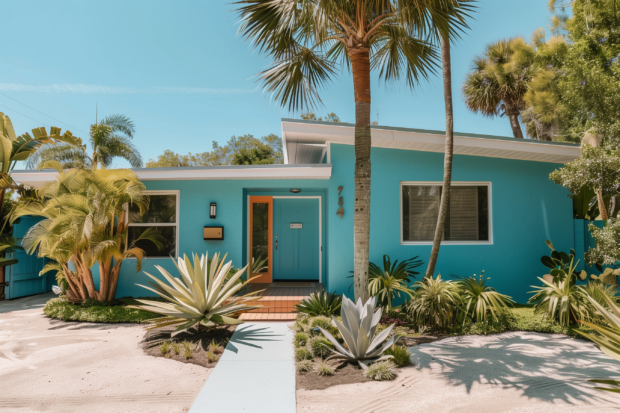
Thinking About Starting an Airbnb in St. Petersburg?
🔥 Join 150,000+ real estate investors getting the most unique & profitable short-term rental investment opportunities delivered to your inbox, 6x/week. Subscribe Now
Disclaimer: This article is for informational purposes only and not legal advice. Regulations may have changed since publication. Always check with local authorities and consult a legal professional before making investment decisions.
Contents
- Introduction to Short-Term Rentals in St. Petersburg
- Current Short-Term Rental Permit Requirements in St. Petersburg
- Zoning Regulations for STRs in St. Petersburg
- Required Documentation for St. Petersburg Short-Term Rentals
- St. Petersburg Short-Term Rental Taxes
- Safety Requirements and Inspections
- St. Petersburg vs. Surrounding Areas: Regulation Comparison
- Enforcement of STR Rules in St. Petersburg
- How to Start a Short-Term Rental Business in St. Petersburg
- Alternative Investment Strategies for St. Petersburg
- Advice from Experienced St. Petersburg Operators
- Who to Contact About St. Petersburg STR Regulations
- Future Outlook for St. Petersburg STR Regulations
- Ready to Invest in St. Petersburg Short-Term Rentals?
Introduction to Short-Term Rentals in St. Petersburg
Known as Florida’s “Sunshine City,” St. Petersburg has emerged as one of the most vibrant urban destinations on the Gulf Coast. With its world-class museums, pristine beaches, thriving arts scene, and year-round subtropical climate, St. Pete attracts millions of visitors annually seeking both cultural enrichment and coastal relaxation.
However, while St. Petersburg offers tremendous appeal for tourists, it presents significant challenges for short-term rental (STR) investors. Unlike many Florida markets that embrace vacation rentals, St. Petersburg has implemented some of the most restrictive STR regulations in the state, making it crucial for potential investors to understand the complex regulatory landscape before committing capital.
The city’s approach to STRs is fundamentally different from tourist-friendly destinations like Orlando or Miami Beach. St. Petersburg prioritizes residential neighborhood character over vacation rental proliferation, resulting in regulations that severely limit where and how often properties can be rented short-term. This comprehensive guide breaks down everything you need to know about operating a short-term rental in St. Petersburg in 2025, helping you navigate these challenging waters and identify viable investment opportunities.
Current Short-Term Rental Permit Requirements in St. Petersburg
St. Petersburg’s STR regulations are straightforward but restrictive, focusing on limiting rather than facilitating short-term rentals:
City of St. Petersburg Requirements
- Business Tax Receipt: All STR operators must obtain an annual Business Tax Receipt from the city.
- Required for any business operation within city limits
- Annual renewal deadline: September 30th
- Late penalties apply after deadline
- Contact: (727) 893-7241 or license@stpete.org
- Zoning Compliance: Property must be located in an area where STRs are permitted or have special approval.
- Most residential zones severely restricted
- Only 3 short-term stays per year allowed in residential areas
- Exceptions for specific commercial zones
- No Special STR Permit Required: Unlike many Florida cities, St. Petersburg does not require a separate short-term rental permit beyond the Business Tax Receipt.
State Requirements
- Florida DBPR License: Required from the Department of Business and Professional Regulation.
- Mandatory for properties with 2+ rental units
- Covers safety and sanitation standards
- Apply through myfloridalicense.com
- Florida Sales Tax Certificate: Required for tax collection and remittance.
- Register with Florida Department of Revenue
- Necessary for collecting state sales tax
County Requirements
- Pinellas County Registration: Required for tax collection purposes.
- Tourist Development Tax registration
- Contact: Pinellas County Tax Collector at (727) 464-5007
- Email: touristtax@pinellastaxcollector.gov
The permit process is relatively simple compared to other cities, but the operational restrictions make St. Petersburg one of the most challenging STR markets in Florida.
Zoning Regulations for STRs in St. Petersburg
Understanding zoning is absolutely critical in St. Petersburg, as most areas severely restrict short-term rentals:
Residential Zones (Most Restrictive)
Residential Traditional (RT) and Residential Suburban (RS) Zones:
- Short-term rentals (under 30 days) are NOT permitted as a regular business
- Maximum of 3 short-term stays allowed per 365-day period
- Rentals of 30+ days are permitted without restriction
- Constitutes the vast majority of residential property in St. Petersburg
Commercial Zones (More Permissive)
Downtown Center (DC) Zones:
- Short-term rentals generally allowed
- No frequency restrictions
- Must still comply with Business Tax Receipt requirements
- Limited to downtown core area
Commercial General (CG) Zones:
- Short-term rentals generally permitted
- Standard business licensing required
- Limited geographic areas throughout the city
Special Considerations
Historic Districts:
- Additional preservation requirements may apply
- Possible architectural restrictions
- Consultation with preservation board may be necessary
Unincorporated Pinellas County Areas:
- Different regulations apply outside city limits
- Generally more permissive than city regulations
- County-level permits and taxes required
The “3-Stay Rule” Explained
This is the most important regulation for investors to understand:
- Properties in residential zones can only host short-term guests (under 30 days) three times per year
- Each “stay” counts as one use, regardless of duration
- Violations can result in significant fines and penalties
- Monthly+ rentals (30+ days) are unlimited and don’t count toward the limit
Required Documentation for St. Petersburg Short-Term Rentals
To operate legally, maintain these essential documents:
- Business Tax Receipt: Current city business license, renewed annually by September 30th
- Florida DBPR License: State sanitation and safety license (if operating 2+ units)
- Florida Sales Tax Certificate: For proper tax collection and remittance
- Pinellas County Tourist Development Tax Registration: For county tax collection
- Liability Insurance Policy: Coverage that specifically includes short-term rental activities
- Rental Agreements: Compliant lease documents for all guests
- Occupancy Documentation: Proof of compliance with maximum occupancy limits
- Zoning Verification: Documentation confirming property’s zoning status and STR eligibility
- HOA/Deed Restriction Compliance: If applicable, proof of compliance with private restrictions
- Financial Records: Detailed records of all rental income and tax collections
Proper documentation is especially important in St. Petersburg given the restrictive nature of the regulations and potential for neighbor complaints.
St. Petersburg Short-Term Rental Taxes
The tax burden for STRs in St. Petersburg is substantial and involves multiple layers:
State Taxes
- Florida Sales Tax: 6% of gross rental receipts
- Florida Discretionary Sales Surtax: 1% in Pinellas County (total 7% state/local sales tax)
Local Taxes
- Pinellas County Tourist Development Tax: 6% of gross rental receipts
- Often called the “bed tax” or “tourist tax”
- Applies to all accommodations rented for 6 months or less
Total Tax Burden
Combined tax rate: 13% (6% state sales tax + 1% local sales tax + 6% tourist development tax)
Collection and Remittance
Automated Collection: Platforms like Airbnb automatically collect:
- Florida state sales tax (6%)
- Pinellas County Tourist Development Tax (6%)
- Does NOT collect the local 1% discretionary sales tax
Host Responsibilities:
- Register with all applicable tax authorities
- Collect any taxes not automatically collected by platforms
- File monthly returns with Pinellas County by the 20th of each month
- Maintain detailed records for audit purposes
Penalties for Non-Compliance
- Late filing penalties start at minimum $50 per month
- Interest charges on unpaid taxes
- Potential audit and additional penalties
- Anonymous reporting system encourages compliance
The high tax burden significantly impacts profitability, especially given the frequency restrictions in residential areas.
Safety Requirements and Inspections
St. Petersburg maintains standard Florida safety requirements for STR properties:
Required Safety Equipment
- Smoke detectors in all bedrooms and common areas
- Carbon monoxide detectors near fuel-burning appliances
- Fire extinguishers readily accessible
- Emergency contact information posted visibly
- Clear egress routes and emergency lighting where required
DBPR Compliance (for properties with 2+ units)
- Professional safety and sanitation inspection
- Compliance with Florida Building Code
- Regular renewal and re-inspection requirements
- Documentation of all safety equipment and procedures
Local Code Compliance
- Building code compliance verification
- Electrical and plumbing safety standards
- Pool safety requirements (if applicable)
- Accessibility compliance where required
Unlike some tourist-focused cities, St. Petersburg does not require specialized STR safety inspections beyond standard building and health codes.

St. Petersburg vs. Surrounding Areas: Regulation Comparison
How do St. Petersburg’s regulations compare to nearby markets?
St. Pete Beach
- Similar 3-stay limitation in residential zones
- Requires both city and county business tax receipts
- Fire marshal review for permanent transient lodging
- More tourist-oriented infrastructure
Clearwater/Clearwater Beach
- Prohibits STRs under 30 days in residential districts
- Exceptions for Tourist Districts and Commercial Districts
- Simpler permitting process in allowed zones
- More beach-focused tourism market
Unincorporated Pinellas County
- Generally more permissive regulations
- County-level oversight rather than city restrictions
- Popular alternative for STR investors
- Lower regulatory burden
Tampa
- Requires specific STR permits
- Zoning restrictions but more permissive than St. Pete
- Active enforcement program
- Larger market with more opportunities
Indian Rocks Beach/Treasure Island
- More tourism-friendly regulations
- Designed to accommodate vacation rentals
- Higher property values but better rental potential
- Established STR markets
Many investors consider surrounding beach communities or unincorporated areas as alternatives to St. Petersburg proper due to the restrictive city regulations.
Enforcement of STR Rules in St. Petersburg
Understanding enforcement patterns helps assess compliance risks:
Enforcement Mechanisms
Complaint-Driven System:
- Primary enforcement occurs through neighbor complaints
- Anonymous reporting system available
- Code enforcement investigates reported violations
Proactive Monitoring:
- Limited proactive enforcement due to resource constraints
- Focus on repeat violators and egregious cases
- Coordination with tax authorities for compliance verification
Common Violations
- Operating without Business Tax Receipt
- Exceeding 3-stay annual limit in residential zones
- Tax collection and remittance failures
- Noise and nuisance complaints
- Parking violations
- Occupancy limit violations
Penalty Structure
Graduated Fine System:
- First offense: $150 fine
- Second offense: $300 fine
- Third offense and beyond: $500 fine
Additional Consequences:
- Potential legal action for repeat violations
- Reporting to state and county agencies
- Possible business license revocation
Risk Assessment
The enforcement risk is generally considered moderate due to:
- Complaint-driven nature (neighbors must report)
- Limited resources for proactive monitoring
- Focus on education before penalties
However, the severe operational restrictions make compliance challenging for traditional short-term rental business models.
How to Start a Short-Term Rental Business in St. Petersburg
Given the restrictions, follow this modified approach:
Step 1: Feasibility Analysis
- Zoning Research: Verify your property’s zoning allows STRs
- 3-Stay Rule Impact: Calculate potential revenue with only 3 bookings per year
- Alternative Models: Consider 30+ day “medium-term” rentals as primary strategy
- Market Analysis: Research demand for longer-stay accommodations
Step 2: Property Selection Strategy
- Commercial Zones: Focus on DC or CG zoned properties if pursuing traditional STR model
- Hybrid Approach: Properties that can generate income from both long-term and occasional short-term stays
- Unincorporated Areas: Consider properties just outside city limits
- Investment Analysis: Factor in limited revenue potential from STR restrictions
Step 3: Legal Compliance Setup
- Business Tax Receipt: Apply for annual city business license
- State Registration: Obtain Florida sales tax certificate and DBPR license (if needed)
- County Registration: Register for Tourist Development Tax collection
- Insurance: Secure appropriate coverage for planned rental activities
Step 4: Operational Model Development
- Primary Focus: 30+ day rentals to avoid 3-stay limitation
- Strategic STR Use: Reserve 3 annual short-term stays for high-value periods
- Corporate Housing: Target business travelers needing extended stays
- Seasonal Strategy: Use STR slots during peak tourist seasons
Step 5: Compliance Monitoring
- Record Keeping: Detailed documentation of all stays and their duration
- Tax Compliance: Timely filing and payment of all required taxes
- Neighbor Relations: Proactive communication to prevent complaints
- Regulation Updates: Stay informed of any changes to city ordinances
Alternative Investment Strategies for St. Petersburg
Given the restrictions, consider these approaches:
Medium-Term Rental Focus
- 30-90 day stays: Avoid STR restrictions entirely
- Corporate housing market: Business travelers, medical tourism, relocations
- Furnished monthly rentals: Higher rates than traditional long-term rentals
- Lower turnover costs: Reduced cleaning and maintenance expenses
Hybrid Rental Model
- Primary strategy: 30+ day rentals
- Strategic STR use: 3 high-value short-term bookings annually
- Event-based pricing: Use STR slots for major local events
- Seasonal optimization: Short-term rentals during peak winter season
Commercial Zone Investment
- Downtown focus: Properties in DC zoning
- Commercial buildings: Mixed-use or commercial properties allowing STRs
- Higher investment: Generally more expensive but unrestricted operations
- Urban market: Appeal to business travelers and city tourists
Advice from Experienced St. Petersburg Operators
Insights from investors who have navigated St. Petersburg’s challenging market:
“We’ve found success focusing on 30+ day rentals with occasional strategic short-term bookings during major events. The 3-stay limit makes traditional Airbnb models nearly impossible to profit from.” – Michael R., St. Petersburg property investor
“Properties just outside city limits in unincorporated Pinellas County offer much better opportunities. The county regulations are far more reasonable for STR operations.” – Jennifer K., portfolio owner with 8 properties
“Don’t buy in St. Petersburg planning to do nightly rentals unless you’re in a commercial zone. The residential restrictions make it financially unviable compared to other markets.” – David L., real estate professional
“We use our 3 annual short-term stays during Gasparilla, Grand Prix weekend, and New Year’s Eve. Those three bookings can generate significant revenue that supplements our monthly rental income.” – Sarah T., downtown St. Petersburg owner
The consensus among experienced operators is that St. Petersburg requires a fundamentally different approach than traditional vacation rental markets.
Who to Contact About St. Petersburg STR Regulations
For official information and assistance:
City of St. Petersburg
- Business Tax Division: (727) 893-7241 (Option 2)
- Website: stpete.org
- Email: license@stpete.org
- Zoning Department: (727) 893-7471
- Email: zoning@stpete.org
Pinellas County
- Tax Collector: (727) 464-5007
- Website: pinellastaxcollector.gov
- Tourist Development Tax: touristtax@pinellastaxcollector.gov
Florida Department of Revenue
- Taxpayer Services: (850) 488-6800
- Website: floridarevenue.com
Florida DBPR
- Division of Hotels and Restaurants: (850) 487-1395
- Website: myfloridalicense.com
St. Pete Law Group (Private consultation)
- Phone: Contact for regulatory guidance
- Specializes in St. Petersburg STR compliance
Future Outlook for St. Petersburg STR Regulations
What to expect for St. Petersburg STR regulations going forward:
- Continued Restrictive Approach: City likely to maintain current limitations on residential STRs
- Enhanced Enforcement: Possible increased monitoring as technology improves
- Regional Coordination: Potential alignment with other Pinellas County municipalities
- Tax Collection Improvements: Streamlined processes for compliance
- Alternative Accommodation Focus: Possible expansion of medium-term rental recognition
- Grandfathered Protections: Existing regulations protected under 2011 Florida statute
The outlook suggests St. Petersburg will remain challenging for traditional STR investors, with the city prioritizing residential neighborhood preservation over tourism accommodation expansion.
Ready to Invest in St. Petersburg Short-Term Rentals?
St. Petersburg presents unique challenges for STR investors, but opportunities exist for those who understand and work within the regulatory framework. Success requires adapting traditional vacation rental models to work with severe frequency restrictions, focusing on medium-term rentals, or seeking properties in the limited commercial zones that allow unrestricted operations.
While St. Petersburg may not offer the same STR opportunities as other Florida markets, its strong tourism economy, year-round appeal, and growing reputation as a cultural destination create demand for various types of accommodations. The key is matching your investment strategy to the regulatory reality.
🔥 Ready to find the best STR deals in Florida and beyond? Subscribe to The Offer Sheet and join 150,000+ investors getting curated, profitable short-term rental opportunities delivered directly to your inbox 6x/week.
⭐️ Already a subscriber? Upgrade to Pro to get access to 40+ properties daily, exclusive off-market deals, and premium analysis tools to maximize your STR investment returns.
Remember: Always consult with local legal and tax professionals before making investment decisions.