
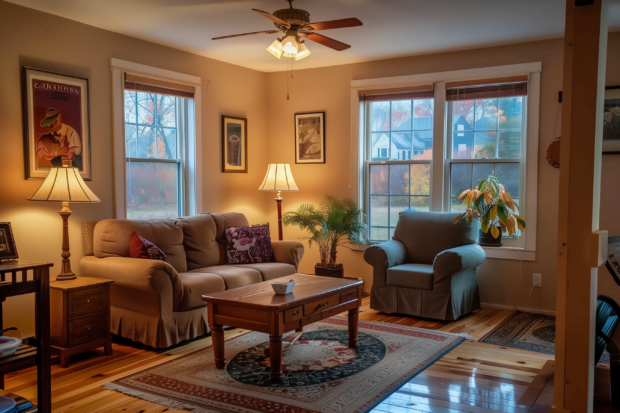
Thinking About Starting an Airbnb in Barre?
🔥 Join 150,000+ real estate investors getting the most unique & profitable short-term rental investment opportunities delivered to your inbox, 6x/week. Subscribe Now
Disclaimer: This article is for informational purposes only and not legal advice. Regulations may have changed since publication. Always check with local authorities and consult a legal professional before making investment decisions.
Contents
- Introduction to Short-Term Rentals in Barre
- Current Short-Term Rental Regulations in Barre
- Required Documentation for Barre Short-Term Rentals
- Barre Short-Term Rental Taxes
- Safety Requirements and Compliance
- Zoning and Land Use Requirements
- How to Start a Short-Term Rental Business in Barre
- Tax Compliance and Financial Management
- Barre vs. Other Vermont Destinations
- Future Regulatory Outlook
- Who to Contact About Barre STR Regulations
- Ready to Invest in Barre Short-Term Rentals?
Introduction to Short-Term Rentals in Barre
Barre, Vermont, known as the “Granite Center of the World,” offers short-term rental investors a unique opportunity in the heart of Vermont’s scenic landscape. This historic city, located in the heart of the Green Mountain State, attracts visitors year-round with its rich granite industry heritage, proximity to outdoor recreation, and authentic Vermont charm.
As Vermont’s tourism industry continues to grow—with over 13 million annual visitors seeking the state’s natural beauty and quaint New England experience—Barre presents an attractive market for STR investors. The city’s central location provides easy access to both Montpelier (the state capital) and popular destinations like Stowe, making it an ideal base for exploring Vermont’s attractions.
Unlike some Vermont municipalities that have implemented restrictive local STR regulations, Barre City operates primarily under state-level regulations, offering investors more flexibility while still maintaining important compliance requirements. However, recent changes to Vermont’s tax structure and ongoing discussions about statewide STR regulation make it essential for investors to stay informed about evolving requirements.
This comprehensive guide covers everything you need to know about operating a legal and profitable short-term rental in Barre, from state tax obligations to safety requirements and local considerations that can impact your investment success.
Current Short-Term Rental Regulations in Barre
State-Level Framework
Barre City does not currently have specific municipal short-term rental ordinances, meaning STR operations are governed primarily by Vermont state regulations. This creates a relatively straightforward regulatory environment compared to municipalities with complex local requirements.
Key State Requirements for Barre STR Operators:
Vermont Business Tax Account Registration
- Required for all operators renting more than 14 days per year
- Free registration through Vermont Department of Taxes
- Must be completed before listing property
Tax Account Display Requirements
- Vermont meals and rooms tax account number must be included in any advertisements
- Required on all listing platforms and direct booking websites
- Operators using platforms like Airbnb can display platform’s tax account number
Safety Compliance Documentation
- Must complete ‘Short Term Rental Safety, Health and Financial Obligations’ form
- Form must be retained on-site but not filed with state agencies
- Self-certification of health and safety compliance
Posted Information Requirements Vermont law requires operators to post within each rental unit:
- Contact information for person responsible for maintenance
- Contact information for Department of Health and Department of Public Safety’s Division of Fire Safety
- Emergency contact details
Municipal Considerations
While Barre City doesn’t have specific STR regulations, operators should still:
- Verify zoning compliance with the Planning Department
- Ensure property meets residential use requirements
- Check for any HOA or covenant restrictions
- Maintain good neighbor relations
Required Documentation for Barre Short-Term Rentals
To operate legally in Barre, maintain these essential documents:
State-Required Documents:
- Vermont Business Tax Account Certificate: Free registration with Vermont Department of Taxes
- Safety Compliance Form: Self-certification of health and safety requirements
- Tax Collection Records: Documentation of all taxes collected and remitted
- Insurance Documentation: Recommended liability coverage
- Emergency Contact Information: Posted within rental property
Recommended Local Documentation:
- Zoning Verification: Confirmation from Barre Planning Department
- Property Tax Records: Current assessment and payment status
- Utility Account Information: Municipal services connection
- Fire Safety Equipment Records: Documentation of smoke detectors, carbon monoxide detectors
- Guest Registration Information: For emergency services access
Posted Information Requirements:
All Barre STR properties must display:
- Property owner or manager contact information
- Vermont Department of Health contact: (802) 863-7200
- Vermont Division of Fire Safety contact: (802) 479-7561
- Emergency services contact: 911
- Tax account number used for the property
Barre Short-Term Rental Taxes
Understanding Vermont’s tax structure is crucial for Barre STR operators:
State Taxes (Effective 2024):
- Vermont Meals and Rooms Tax: 9% of gross rental receipts
- Short-Term Rental Surcharge: 3% additional surcharge effective August 1, 2024
- Total State Rate: 12% of gross rental receipts
Local Taxes:
- Barre City: Currently no additional local option tax
- Total Tax Rate: 12% (state taxes only)
Tax Collection Methods:
Platform Bookings: Airbnb, VRBO, and other platforms collect and remit taxes automatically Direct Bookings: Operators must collect and remit taxes manually Registration: Required even if using platforms that collect taxes
What’s Taxable:
- Base rental rates
- Cleaning fees
- Pet fees
- Equipment rental fees
- Any other mandatory charges
Tax Exemptions:
- Rentals of 30 or more consecutive days
- Properties rented fewer than 15 days per year (with conditions)
- Rentals in licensed lodging establishments
Filing Requirements:
- Monthly filing for most operators
- Quarterly filing available for smaller operations
- Electronic filing required through myVTax system
- Zero-dollar returns required even with no activity
Safety Requirements and Compliance
Vermont maintains comprehensive safety standards for short-term rentals:
Fire Safety Requirements:
- Smoke Detectors: Required in all sleeping areas and common spaces
- Carbon Monoxide Detectors: Required near fuel-burning appliances
- Fire Extinguishers: Recommended on each level
- Emergency Exit Windows: Must be operable
- Exit Routes: Clearly marked and unobstructed
Building Safety Standards:
- Compliance with Vermont building codes
- Proper electrical systems and outlets
- Safe stairways and railings
- Adequate lighting in common areas
- Structural integrity verification
Health and Safety Compliance:
- Guest rooms free from insects, rodents, and pests
- Private water supply systems must meet Vermont standards
- Sewage disposed through approved facility
- Proper waste management systems
- Clean and sanitary conditions
Winter Safety Considerations:
- Adequate heating systems
- Ice dam prevention
- Safe walkways and steps
- Emergency heating backup
- Snow removal plans
Inspection Requirements:
- No mandatory municipal inspections in Barre City
- State may inspect properties at reasonable times
- Self-certification through compliance forms
- Complaint-driven inspections possible
Zoning and Land Use Requirements
Barre City Zoning Framework:
While Barre doesn’t have specific STR zoning restrictions, operators should understand:
Residential Zones:
- STRs generally permitted as accessory residential uses
- Must comply with occupancy limits
- Parking requirements may apply
Commercial Zones:
- STRs typically allowed with proper permitting
- May have different operational requirements
- Consider neighborhood compatibility
Mixed-Use Areas:
- STRs often permitted
- Must comply with both residential and commercial standards
- May require special permits for certain activities
Key Zoning Considerations:
- Occupancy Limits: Based on bedroom count and septic capacity
- Parking Requirements: Adequate off-street parking for guests
- Noise Restrictions: Compliance with residential noise ordinances
- Signage Limitations: Restrictions on advertising signs
- Home Business Permits: May be required for certain operations
Verification Process:
Contact the Barre Planning Department:
- Planning Director: Janet E. Shatney
- Phone: (802) 476-0245
- Address: 6 N. Main Street, Suite 7, Barre, VT 05641
How to Start a Short-Term Rental Business in Barre
Step 1: Market Research & Property Selection
- Research Barre Tourism: Understand peak seasons and visitor patterns
- Analyze Competition: Study existing STR properties in the area
- Evaluate Property Types: Single-family homes, condos, or multi-unit properties
- Consider Location: Proximity to attractions, downtown, and transportation
- Assess Renovation Needs: Budget for necessary improvements
Step 2: Legal and Regulatory Compliance
- Verify Zoning: Contact Barre Planning Department for confirmation
- Register with State: Obtain Vermont Business Tax Account
- Complete Safety Form: Self-certify compliance with health and safety requirements
- Obtain Insurance: Secure appropriate liability coverage
- Set Up Tax Collection: Prepare systems for direct booking tax collection
Step 3: Property Preparation
- Install Safety Equipment: Smoke detectors, carbon monoxide detectors
- Ensure Building Compliance: Meet Vermont building codes
- Create Emergency Information: Prepare required posted materials
- Set Up Utilities: Establish accounts with municipal services
- Furnish and Decorate: Create appealing, functional spaces
Step 4: Operational Setup
- Create Listings: Use professional photography and compelling descriptions
- Display Tax Information: Include account number in all advertisements
- Establish Check-in Process: Consider keyless entry systems
- Develop House Rules: Clear guidelines for guest behavior
- Create Local Guide: Highlight Barre and Vermont attractions
Step 5: Launch and Management
- List on Platforms: Airbnb, VRBO, and direct booking sites
- Implement Pricing Strategy: Consider seasonal demand patterns
- Establish Cleaning Protocols: High standards for guest satisfaction
- Monitor Reviews: Respond promptly to guest feedback
- Stay Compliant: Keep up with regulatory changes
Step 6: Ongoing Operations
- File Tax Returns: Monthly or quarterly as required
- Maintain Safety Equipment: Regular testing and replacement
- Update Registrations: Keep all accounts current
- Monitor Regulations: Stay informed about potential changes
- Optimize Performance: Continuously improve based on guest feedback
Tax Compliance and Financial Management
Setting Up Tax Collection:
For Platform Bookings:
- Platforms handle automatic collection
- Verify proper tax rates are applied
- Monitor platform tax reports
For Direct Bookings:
- Calculate 12% total tax rate
- Collect taxes at time of booking
- Maintain detailed records
- Remit monthly or quarterly
Record Keeping Requirements:
- All rental transactions and amounts
- Taxes collected and remitted
- Guest information and dates
- Maintenance and operational expenses
- Platform fees and commissions
Financial Planning Considerations:
- Budget for 12% tax obligation
- Set aside funds for tax payments
- Consider seasonal cash flow patterns
- Plan for maintenance and improvements
- Account for insurance and permit costs
Barre vs. Other Vermont Destinations
Barre Advantages:
- Minimal Local Regulations: Easier compliance than Burlington or Stowe
- Central Location: Access to multiple Vermont attractions
- Lower Property Costs: More affordable than resort areas
- Year-Round Appeal: Granite heritage and outdoor recreation
- Authentic Vermont Experience: Less touristy than major destinations
Regulatory Comparison:
- Burlington: Strict owner-occupancy requirements and registration
- Stowe: Increasing regulations with registry requirements
- Killington: Specific STR registration and parking requirements
- Chester: $150-300 annual registration fees
- Barre: State regulations only, no local requirements
Market Positioning:
- Target visitors exploring central Vermont
- Appeal to granite industry heritage tourists
- Market to outdoor recreation enthusiasts
- Attract visitors seeking authentic Vermont experience
- Position as convenient base for regional exploration
Future Regulatory Outlook
Potential Changes to Watch:
- Statewide Registry: Periodic proposals for comprehensive STR tracking
- Local Regulation Development: Barre may implement future ordinances
- Tax Rate Adjustments: Possible changes to surcharge rates
- Safety Requirement Updates: Evolving fire and building standards
- Zoning Modifications: Potential changes to land use regulations
Staying Informed:
- Monitor Vermont Short Term Rental Alliance (VTSTRA) updates
- Subscribe to Vermont Department of Taxes notifications
- Attend Barre City Council meetings
- Follow local planning commission activities
- Join STR operator groups and forums
Proactive Compliance:
- Maintain detailed records
- Keep safety equipment current
- Stay in contact with local officials
- Participate in industry discussions
- Prepare for potential regulatory changes
Who to Contact About Barre STR Regulations
Barre City Government:
Planning Department
- Director: Janet E. Shatney
- Phone: (802) 476-0245
- Email: Contact through city website
- Address: 6 N. Main Street, Suite 7, Barre, VT 05641
City Clerk
- Phone: (802) 476-0242
- Address: 6 North Main Street, PO Box 418, Barre, VT 05641
Vermont State Agencies:
Vermont Department of Taxes
- Phone: (802) 828-2551
- Website: tax.vermont.gov
- For tax registration and compliance
Vermont Department of Health
- Phone: (802) 863-7200
- For health and safety requirements
Vermont Division of Fire Safety
- Phone: (802) 479-7561
- For fire safety compliance
Industry Resources:
Vermont Short Term Rental Alliance (VTSTRA)
- Website: vtstra.org
- Industry advocacy and information
Vermont Lodging Association
- Resources for lodging businesses
Central Vermont Regional Planning Commission
- Phone: (802) 229-0389
- Regional planning and development
Ready to Invest in Barre Short-Term Rentals?
Barre offers exceptional potential for STR investors seeking a balance of regulatory simplicity and market opportunity. With its rich granite heritage, central Vermont location, and relatively straightforward compliance requirements, Barre provides an attractive entry point into Vermont’s thriving vacation rental market.
The city’s strategic position as the “Granite Center of the World,” combined with its proximity to popular Vermont destinations and authentic small-town charm, creates year-round appeal for visitors seeking genuine Vermont experiences. While state-level tax and safety requirements require attention, the absence of complex local regulations makes Barre more accessible than many Vermont destinations.
Success in Barre’s STR market depends on understanding and embracing Vermont’s comprehensive state regulations while delivering exceptional guest experiences that highlight the region’s unique character and attractions.
🔥 Ready to find the best STR deals in Barre and beyond? Subscribe to The Offer Sheet and join 150,000+ investors getting curated, profitable short-term rental opportunities delivered directly to your inbox 6x/week.
⭐️ Already a subscriber? Upgrade to Pro to get access to 40+ properties daily, exclusive off-market deals, and premium analysis tools to maximize your STR investment returns.
Remember: Always consult with local legal and tax professionals before making investment decisions.