
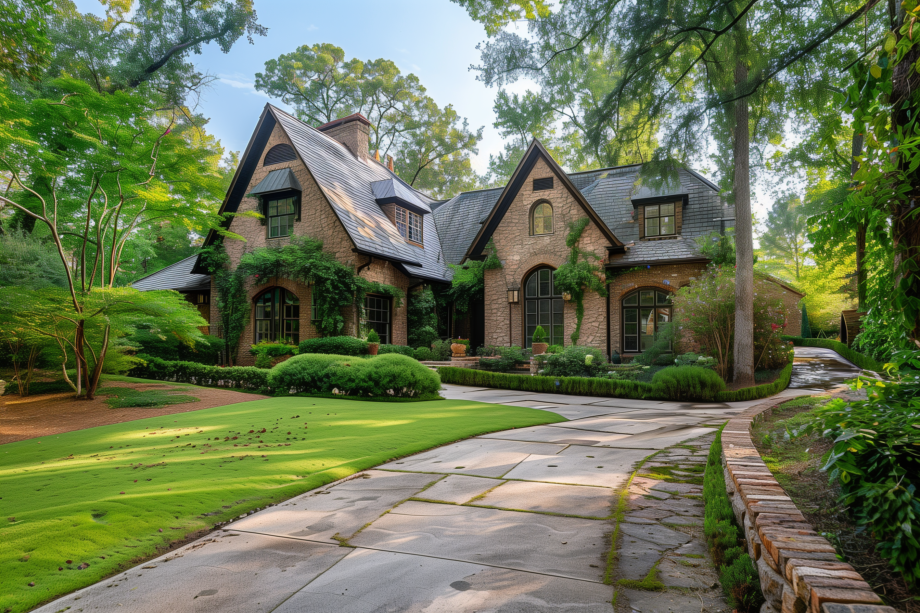
Birmingham, Alabama isn’t just the Magic City – it’s fast becoming one of the South’s smartest plays for Airbnb investors. With median home values around $161,250 and average annual STR revenues hitting $25,542, the numbers tell a compelling story. But not all Birmingham neighborhoods deliver the same returns.
The city offers something rare in today’s market: accessible entry points paired with genuine rental demand. While proposed STR regulations loom on the horizon, Birmingham’s current business-friendly approach means you can still enter this market without jumping through the regulatory hoops that plague cities like Nashville or Austin.
Here’s where smart money is buying Birmingham investment properties right now.
Contents
- Why Birmingham Works for Airbnb Investment
- 1. Highland Park – The Premium Play
- 2. Forest Park – Where Old Money Meets New Returns
- 3. Crestwood South – The Suburban Sweet Spot
- 4. Downtown/Loft District – Maximum Convenience
- 5. Avondale – The Up-and-Coming Play
- 6. Five Points South – Entertainment District Edge
- Understanding Birmingham’s STR Landscape
- The Numbers: What Birmingham STRs Actually Earn
- Investment Strategy: Making Birmingham Work
- The Birmingham Bet: Why Now?
- Making Your Birmingham Investment
- The Bottom Line
Why Birmingham Works for Airbnb Investment
Before we break down neighborhoods, understand what makes Birmingham tick as an STR market.
The city pulls visitors from multiple angles. UAB Hospital ranks among the nation’s top medical centers, creating year-round demand from medical tourists and visiting healthcare professionals. The Birmingham-Jefferson Convention Complex drives business travel. SEC football season floods the market with fans willing to pay premium rates. And the city’s revitalized food scene and civil rights tourism add leisure travel to the mix.
Current occupancy rates average 57% with a typical ADR of $126. Properties in prime locations command significantly higher rates – top performers hit $326 per night. More importantly, Birmingham’s regulatory environment remains relatively straightforward, requiring just a business license rather than complex STR permits (though this may change with pending City Council decisions).
The tax structure is transparent: 5% state lodging tax, 2% county tax, and 6.5% city tax plus $3 per room per night. Airbnb handles state collection, but you’re responsible for the rest – a manageable system compared to many markets.
1. Highland Park – The Premium Play
Highland Park tops every serious investor’s list for good reason. This historic neighborhood delivers the trifecta: location, character, and proven performance.
Why Highland Park Commands Premium Prices
Located just minutes from downtown and UAB Hospital, Highland Park offers walkability that Birmingham visitors crave. The neighborhood’s tree-lined streets and historic homes – many dating to the early 20th century – provide the “authentic Birmingham experience” that translates to higher nightly rates.
Median property values sit around $390,000-$425,000, making it pricier than other Birmingham neighborhoods. But here’s the kicker: the 65% renter occupancy rate means constant demand. Properties near Rushton Park, Rhodes Park, or Caldwell Park see particularly strong bookings.
The neighborhood pulls from multiple guest segments. Medical professionals staying near UAB Hospital book midweek. Weekend warriors hitting Five Points South bars and restaurants want walkable crash pads. And leisure travelers appreciate the historic charm and access to Birmingham’s dining scene at spots like Rojo and O’Henry’s Coffee.
Investment Considerations
Highland Park isn’t cheap, but the returns justify the entry price. Properties here outperform Birmingham averages for occupancy and ADR. The neighborhood’s National Historic District status adds inherent value protection – these homes aren’t going anywhere.
Parking can be tight, especially in the densest areas. Budget for off-street parking solutions if possible. Also, understand that HOA restrictions exist in some sections, so verify before buying.
The proximity to UAB means you can market specifically to medical tourism – families of patients, visiting physicians, and healthcare consultants. This creates year-round baseline demand that many markets can’t match.
2. Forest Park – Where Old Money Meets New Returns
Forest Park delivers what Highland Park offers but with bigger lots and more space. Known locally as “The Country Club District,” this neighborhood attracts families and professionals who want Birmingham charm with room to breathe.
The Forest Park Advantage
Median home values around $418,000 put Forest Park in Highland Park territory, but you get significantly more square footage. Larger homes mean higher occupancy limits and the ability to host groups – critical for weekend events and family reunions.
The neighborhood’s location east of downtown along Highway 78 provides easy access to both city amenities and outdoor recreation. Properties near Claremont Avenue benefit from proximity to local shops and restaurants like The Rougaroux and Juniper.
Forest Park properties work particularly well for the extended stay market. Medical professionals on multi-week rotations at UAB prefer space over downtown proximity. Corporate relocations to Birmingham often start with Forest Park short-term stays while house hunting.
What Works Here
Focus on homes with 3-4 bedrooms that can comfortably sleep 6-8 guests. The market here favors quality over quantity – these aren’t crash pads for bachelor parties but comfortable retreats for families and professionals.
Marketing should emphasize the neighborhood’s walkability, park access, and local dining. The tree-lined streets photograph beautifully, making your listing stand out. Properties with outdoor spaces (decks, patios, yards) command premium rates.
The historic homes require more maintenance than new construction, but they also offer character that cookie-cutter properties can’t match. Budget appropriately for upkeep, but don’t cut corners – Forest Park guests expect quality.
3. Crestwood South – The Suburban Sweet Spot
Crestwood South represents Birmingham’s suburban play – lower entry costs, bigger properties, and family-friendly appeal.
Why Crestwood South Works
Median home values around $265,000 make Crestwood South accessible for investors who can’t stomach Highland Park prices. You get single-family homes with yards, driveways, and the space that families traveling with kids actually need.
The neighborhood sits about 15 minutes from downtown – close enough for convenience but far enough to offer peace and quiet. Crestwood Park provides swimming, tennis, and playground amenities that make your listing attractive to family travelers.
Crestwood South works best for investors who want appreciation potential alongside rental income. The neighborhood is stable, well-maintained, and appeals to both long-term residents and short-term guests. If STR regulations tighten, these properties convert easily to traditional rentals or owner occupancy.
The Cash Flow Reality
Don’t expect Crestwood South to deliver Highland Park’s per-night rates. But lower acquisition costs and higher occupancy from family travelers create solid cash-on-cash returns. The key is positioning your property correctly – this isn’t a party house market but a comfortable family retreat.
Properties near the park command slight premiums. Emphasize space, safety, and family-friendly amenities in your marketing. Stock your property with things families actually need: pack-and-play cribs, high chairs, basic kids’ toys.
The longer average stays in Crestwood South (families book weeks, not weekends) reduce turnover costs. Your cleaning and restocking frequency drops while occupancy stays high.
4. Downtown/Loft District – Maximum Convenience
If walkability and nightlife access matter to your target guest, downtown Birmingham delivers.
The Urban Airbnb Market
Downtown properties capture business travelers, convention attendees, and visitors who want to be in the thick of things. The converted loft spaces that dominate the area provide the urban aesthetic that certain travelers seek.
The Birmingham-Jefferson Convention Complex drives consistent midweek demand. When major events hit town – SEC tournaments, conferences, concerts – downtown rates spike. Properties within walking distance of Regions Field (minor league baseball) see strong summer bookings.
Investment Reality Check
Downtown Birmingham isn’t cheap per square foot, and condo/loft HOAs often restrict short-term rentals. Do your homework before buying. The properties that work for STRs command premiums precisely because they’re rare.
Parking is crucial downtown. Properties without dedicated parking struggle with bookings – Birmingham isn’t walkable enough to skip cars. If your property lacks parking, you’re limiting your potential guest pool.
The upside? Downtown properties require minimal marketing. Location sells itself for business travelers and event attendees. Your occupancy calendar follows Birmingham’s event schedule pretty predictably.
5. Avondale – The Up-and-Coming Play
Avondale represents Birmingham’s creative revival – the neighborhood where artists, young professionals, and food entrepreneurs are making things happen.
Why Avondale Matters Now
Home prices average around $400,000, but Avondale’s trajectory points upward. The neighborhood’s brewing scene, boutique shops, and community events create the “cool Birmingham” vibe that appeals to younger travelers and professionals.
Avondale captures weekend leisure travelers who want authentic local experiences. The neighborhood’s proximity to downtown (walkable/bikeable for the adventurous) provides access without the downtown premium.
Properties here work well for targeting mid-range travelers – people who want more than a basic crash pad but aren’t paying for Highland Park’s historic cachet. The market skews younger, which means they’re comfortable with self-check-in, minimal host interaction, and booking last-minute.
The Avondale Bet
Investing in Avondale is betting on Birmingham’s continued renaissance. If the city’s food and arts scene keeps growing, Avondale appreciation outpaces most neighborhoods. The risk? You’re paying current prices for future potential.
For STR investors, Avondale works best for properties that can tell a story. A renovated bungalow near Avondale Park photographs well and gives guests the “I stayed in the cool neighborhood” bragging rights. Basic properties here compete purely on price.
6. Five Points South – Entertainment District Edge
Five Points South isn’t technically a neighborhood – it’s Birmingham’s premier entertainment district. But properties near Five Points capture spillover demand from the bars, restaurants, and nightlife.
The Five Points Strategy
Properties within walking distance of Five Points command weekend premiums. When Birmingham has events, visitors want to be near the action. The district’s concentration of restaurants and bars means your guests can walk to dinner and drinks.
The downside? Noise and parking can be issues. Properties that are “near but not in” Five Points South hit the sweet spot – close enough for convenience but far enough for peace.
This market skews toward younger travelers, groups celebrating special occasions, and visitors who prioritize nightlife access. Your property needs to accommodate the party-adjacent reality – durable furnishings, noise-conscious neighbors, and clear house rules.
Understanding Birmingham’s STR Landscape
Birmingham’s regulatory environment is shifting. City Council is considering ordinances that could ban STRs in single-family residential zones and cap total STR numbers at around 1,000 properties citywide. If approved, the regulations would mark a significant change from Birmingham’s current hands-off approach.
Right now, operating an STR in Birmingham requires:
- City business license ($150 application + $100 annual renewal)
- Tax registration with state, county, and city authorities
- Compliance with standard lodging taxes (13.5% total plus $3 per room per night)
The proposed changes may add:
- STR-specific permits beyond business licenses
- Property inspections
- Occupancy and parking restrictions
- Noise monitoring requirements
For investors, this means timing matters. Properties purchased and operating before new regulations take effect may be grandfathered in. Properties in mixed-use or commercial zones face fewer restrictions under most proposals.
Check our complete guide to Birmingham’s short-term rental regulations for current requirements and pending changes.
The Numbers: What Birmingham STRs Actually Earn
Let’s cut through the hype and look at real performance data.
Average Birmingham STR revenue hits $25,542 annually with 57% occupancy and $126 ADR. But those averages hide significant variation by neighborhood and property type.
Top-performing properties (top 10%):
- Nightly rates: $326+
- Locations: Highland Park, Forest Park, unique downtown properties
- Characteristics: Historic charm, premium locations, professional management
Strong performers (top 25%):
- Nightly rates: $215+
- Locations: Highland Park, Avondale, near-downtown properties
- Characteristics: Well-maintained, good locations, solid amenities
Median properties:
- Nightly rates: $148
- Locations: Varied across Birmingham
- Characteristics: Basic but clean, standard amenities
Bottom performers:
- Nightly rates: $109 or less
- Locations: Outer neighborhoods, areas with fewer attractions
- Characteristics: Basic, poor locations, minimal effort
The seasonality in Birmingham shows moderate variation, with peaks in May-July (graduation, summer travel, events) and dips in January-February. Top performers maintain 60%+ occupancy year-round by diversifying their guest mix.
Investment Strategy: Making Birmingham Work
Here’s how to actually make money in Birmingham’s STR market.
Start with location. Highland Park and Forest Park command premium rates for a reason – guests pay for walkability, safety, and character. If you can’t afford these neighborhoods, Crestwood South or Avondale offer solid returns at lower entry points.
Understand your guest. Birmingham pulls from distinct segments: medical tourists (UAB), business travelers (convention center, corporations), leisure travelers (civil rights tourism, food scene), and event attendees (football, concerts). Your neighborhood and property type determine which segments you capture.
Price strategically. Use dynamic pricing that spikes during high-demand periods (SEC games, major conventions, graduation weekends) and drops during slow months. The difference between average pricing and smart pricing is 20-30% in annual revenue.
Professional photography is non-negotiable. Birmingham’s historic homes photograph beautifully. Amateur phone photos undersell your property. Budget $300-500 for a professional photographer – you’ll earn it back in weeks.
Manage or outsource effectively. Birmingham’s relatively simple regulatory environment means you can self-manage if you’re local. If remote, Birmingham has emerging property management companies specializing in STRs. Expect to pay 15-25% of revenue for full-service management.
The Birmingham Bet: Why Now?
Birmingham represents one of the South’s last major markets where STR investors can enter at reasonable prices. The city’s population growth is slower than booming markets like Nashville, but economic stability and diversification create sustainable demand.
UAB Hospital isn’t going anywhere – medical tourism provides baseline demand that most markets lack. The city’s food and arts renaissance continues attracting leisure travelers. And business travel to Birmingham remains steady.
The regulatory uncertainty cuts both ways. New restrictions could cap the market, protecting early entrants from oversaturation. Or regulations could be strict enough to make some neighborhoods unviable for STRs. The window for entry under current rules may be closing.
Smart investors are buying now in the best neighborhoods (Highland Park, Forest Park, downtown), banking on grandfathering if restrictions tighten and on strong fundamentals if regulations stay loose.
Making Your Birmingham Investment
If you’re serious about Birmingham investment properties, start with these steps:
- Research pending regulations. Attend City Council meetings or follow local news. Understanding the regulatory direction shapes your investment strategy.
- Analyze specific properties. Use tools like our Airbnb income calculator to project actual returns. Don’t rely on generic market averages – your property’s performance depends on its specific characteristics.
- Verify zoning and restrictions. Some Birmingham neighborhoods have HOA restrictions on rentals. Confirm before making offers.
- Calculate all-in costs. Include acquisition, renovation, furnishing, business licensing, insurance, taxes, and ongoing management. Birmingham’s affordable prices mean your all-in costs stay reasonable, but don’t underestimate total investment needed.
- Plan for multiple exit strategies. If STR regulations tighten, can your property work as a long-term rental? As owner-occupied housing? Smart Birmingham investments work across multiple scenarios.
The Bottom Line
Birmingham offers something increasingly rare: affordable entry into a legitimate STR market with diverse demand drivers. Home prices remain well below national averages while rental yields stay competitive.
The best neighborhoods – Highland Park and Forest Park – require real capital but deliver premium returns. Crestwood South and Avondale offer accessible entry points with solid fundamentals. Downtown works for investors who can navigate HOA restrictions.
The regulatory environment is shifting, but Birmingham’s business-friendly culture and tourism revenue dependence suggest any new rules will be less restrictive than coastal markets. The window for entry under current rules remains open, but probably not for long.
For investors willing to do their homework, Birmingham investment properties offer a combination of affordability, yield, and appreciation potential that’s increasingly hard to find elsewhere in the South.
💡 Want to stay ahead of STR regulations and find Birmingham’s best investment deals?
Join 150,000+ investors getting curated, profitable short-term rental opportunities delivered to your inbox 6x/week. Subscribe to The Offer Sheet for free.
Already subscribed? Upgrade to Pro to access 40+ properties daily, exclusive off-market deals, and premium market analysis.