
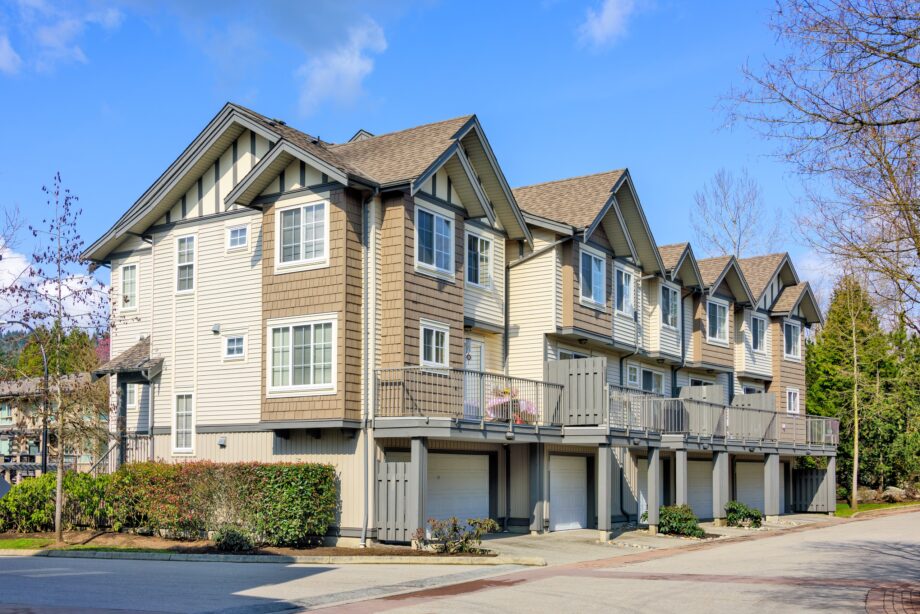
If you’re weighing whether to buy a duplex or a townhouse, you’re asking the right question. Both property types attract real estate investors, but they operate under completely different financial models – and understanding that difference determines whether you’re building wealth or bleeding cash.
The short answer: duplexes typically generate higher returns for investors willing to manage two units, while townhouses offer lower entry costs and community amenities at the expense of rental flexibility. Let’s break down exactly what separates these property types and which one aligns with your investment strategy.
Contents
- What Is a Duplex?
- What Is a Townhouse?
- The Difference Between a Duplex and a Townhouse: What Really Matters
- Duplex vs Townhome: The Financial Reality
- Townhouse or Duplex for Rent: Which Attracts Better Tenants?
- What’s the Difference Between a Townhouse and a Duplex for Financing?
- Duplex Versus Townhouse: HOA Rules Kill Deals
- Whats the Difference Between a Townhouse and a Duplex for Scaling?
- Town Home vs Duplex: The Exit Strategy
- Which Should You Buy?
- Duplex vs Townhouse: The Bottom Line
- FAQs
What Is a Duplex?
A duplex consists of two separate living units within a single structure, typically sharing one common wall. Each unit has its own entrance, kitchen, bathroom, and living spaces – essentially two complete homes combined into one building. Duplexes come in two main configurations: side-by-side layouts where units share a vertical wall, or stacked arrangements where one unit sits above the other.
Here’s the critical advantage: when you buy a duplex, you own both units. That means one mortgage, one property tax bill, and two potential income streams. This ownership structure explains why duplexes have become a favorite entry point for investors using the “house hacking” strategy – living in one unit while renting out the other to offset your housing costs.
According to recent FHA guidelines, you can purchase a duplex with as little as 3.5% down using an FHA loan, as long as you occupy one of the units. Even better, lenders typically allow you to count 75% of the projected rental income toward your qualifying income – meaning the property can essentially help you afford itself.
What Is a Townhouse?
A townhouse is an individually owned multi-story home that shares one or more walls with adjacent properties. Unlike a duplex where one person owns the entire building, townhouse owners only own their specific unit. These properties are typically part of a planned community managed by a homeowners association (HOA) that oversees shared amenities like pools, fitness centers, and landscaping.
The defining characteristic of townhouse ownership is that HOA involvement. You’ll pay monthly or quarterly fees that cover exterior maintenance, common area upkeep, and sometimes utilities. While this reduces your personal maintenance burden, it also introduces restrictions – and those restrictions can kill your rental strategy before it starts.
The Difference Between a Duplex and a Townhouse: What Really Matters
Understanding the difference between a townhouse and a duplex goes beyond architectural style. These distinctions directly impact your cash flow, management responsibilities, and long-term returns.
Ownership Structure
When you buy a duplex, you control the entire property. Both units belong to you, giving you complete authority over rental decisions, renovations, and property management. This autonomy matters because you’re not negotiating with neighbors or waiting for HOA approval to make strategic improvements.
Townhouse ownership is fundamentally different. You own your unit, but you’re part of a larger association. That HOA has significant power over how you use your property, including whether you can rent it at all.
Rental Income Potential
Duplexes offer superior income potential because you’re collecting rent from two units. Recent data shows rental inventory increased by 17% in 2023, with median U.S. rent reaching $1,373 by December 2024. With a duplex, you’re potentially capturing $2,700+ monthly from a single property investment – and that’s conservative.
Townhouse rental income depends entirely on your HOA’s restrictions. Many associations prohibit or severely limit short-term rentals, with most requiring minimum lease terms of 30 days or longer. Some cap the percentage of units that can be rented, create waiting periods before you can rent, or ban rentals entirely.
Maintenance and Management
Duplex owners handle all maintenance responsibilities – roofs, plumbing, landscaping, the works. While this means more time and money spent on upkeep, it also means immediate action when issues arise. No waiting for HOA approval to fix a leaky roof or replace an HVAC system.
Townhouse HOAs handle exterior maintenance, which sounds appealing until you realize you’re paying for that convenience through monthly fees. HOA fees can range from 5-20% of your monthly maintenance costs as additional rental fees, and those expenses come whether you’re making money on the property or not.
Location and Amenities
Townhouse communities often occupy prime locations near shopping, dining, and entertainment. The shared amenities – gated security, pools, fitness centers – create appeal for certain tenant demographics. These features can justify higher rents in the right market.
Duplexes tend to sit in established residential neighborhoods. While they might lack a community pool, they often provide private outdoor space and parking for each unit – features that appeal to families and long-term tenants.
Duplex vs Townhome: The Financial Reality
The numbers tell the real story. Let’s compare two $400,000 properties with the same mortgage terms to see where your money works harder.
Duplex Financial Breakdown
Monthly Income:
- Unit 1: $1,500
- Unit 2: $1,500
- Total: $3,000
Monthly Expenses:
- Mortgage (20% down): $1,900
- Property taxes: $500
- Insurance: $200
- Maintenance/utilities: $400
- Total: $3,000
Monthly cash flow: $0 (break-even)
But here’s what that break-even really means: you’re living for free if you occupy one unit, or banking $1,500/month if you rent both. Plus, tenants are paying down your mortgage while the property appreciates.
Townhouse Financial Breakdown
Monthly Income:
- Single unit: $2,000
Monthly Expenses:
- Mortgage (20% down): $1,900
- HOA fees: $350
- Property taxes: $350
- Insurance: $150
- Maintenance: $200
- Total: $2,950
Monthly cash flow: -$950 (negative)
That townhouse is costing you nearly $1,000 monthly even with a tenant paying rent. The HOA fees alone eliminate most of your profit margin.
Townhouse or Duplex for Rent: Which Attracts Better Tenants?
Tenant quality matters as much as rent checks. Different property types attract different renter profiles.
Duplexes typically draw families and working professionals seeking more space, privacy, and yard access. These tenants often stay longer – average lease lengths increased to 14 months in 2024, up from 12 months in 2023. Longer tenancies mean lower turnover costs and more stable income.
Townhouse communities appeal to renters who value amenities and low-maintenance living. While some townhouse tenants stay long-term, HOA restrictions on modifications and rules about community standards can be dealbreakers for certain demographics.
What’s the Difference Between a Townhouse and a Duplex for Financing?
Financing differences significantly impact your investment strategy.
Duplexes qualify for residential financing with favorable terms. FHA loans require just 3.5% down for owner-occupants, and conventional loans typically need 15-20% down. More importantly, lenders allow you to count 70-75% of projected rental income when qualifying, making it easier to afford the property.
Townhouses follow similar financing rules, but with a catch: lenders scrutinize HOA financials. If too many units in the community are rented (typically 30-35%), you might struggle to secure financing or face higher rates. This same concern affects resale value.
Duplex Versus Townhouse: HOA Rules Kill Deals
This deserves its own section because HOA restrictions destroy more real estate investments than any other single factor.
HOAs can and do prohibit short-term rentals, with many requiring minimum lease terms of 30 days or longer. Some associations ban rentals completely or cap the percentage of rental units allowed. Others impose waiting periods requiring you to live in the property for one year before renting, or limit rental periods to specific timeframes.
California law permits HOAs to restrict rentals of 30 days or less, and many states have similar provisions. Before buying any townhouse, you must review the CC&Rs (Covenants, Conditions, and Restrictions) and speak directly with HOA board members about rental policies.
Duplexes rarely face these restrictions because they’re not typically part of HOA communities. You answer to local zoning laws and rental regulations, but you’re not at the mercy of a board that can change rules after you’ve purchased.
Whats the Difference Between a Townhouse and a Duplex for Scaling?
If your goal is building a portfolio of rental properties, the path you choose matters immensely.
Duplexes offer faster scaling because each purchase gives you two units. Buy three duplexes and you own six rental units. That efficiency compounds when you consider management – three properties are easier to oversee than six separate single-family homes spread across town.
Approximately 31.4% of residential properties in the U.S. are multifamily units like duplexes, creating a substantial market for both purchasing and eventual resale.
Townhouses require individual acquisitions to grow your portfolio. Each purchase is a separate transaction, separate inspection, separate closing costs. Progress is slower and more capital-intensive.
Town Home vs Duplex: The Exit Strategy
Eventually, you’ll sell. Which property type positions you better?
Duplexes appeal to both investors and owner-occupants who want to live in one unit while renting the other. This dual market creates more potential buyers and can support higher valuations. Rental yields on well-located duplexes often exceed single-family properties by 15-25%, making them attractive to yield-focused investors.
Townhouse resale depends heavily on HOA management quality, community condition, and rental restrictions. Poorly run associations or high rental percentages can depress values and limit your buyer pool.
Which Should You Buy?
Choose a duplex if you:
- Want maximum rental income potential
- Don’t mind managing maintenance and tenants
- Plan to owner-occupy initially (house hacking)
- Seek portfolio scalability
- Value autonomy over your investment decisions
Choose a townhouse if you:
- Prefer minimal maintenance responsibilities
- Want community amenities included
- Don’t plan to rent the property (or only long-term)
- Prioritize location over income potential
- Have verified the HOA allows your rental strategy
The math consistently favors duplexes for investors focused on cash flow and wealth building. Townhouses work better for those prioritizing convenience and lifestyle over returns.
Duplex vs Townhouse: The Bottom Line
The difference between a duplex and a townhouse isn’t just about shared walls or building configuration – it’s about financial strategy and control. Duplexes deliver higher returns and operational freedom but demand more involvement. Townhouses offer ease and amenities while potentially restricting your most profitable rental strategies.
For investors serious about building rental income, duplexes typically win. The numbers don’t lie: two income streams beat one, and property autonomy beats HOA restrictions. Just make sure you’re ready for the responsibility that comes with that upside.
FAQs
What is the difference between a duplex and a townhouse?
A duplex is a single building divided into two separate units owned by one person, while a townhouse is an individually owned home within a larger community managed by an HOA. Duplexes provide two rental income streams from one property; townhouses only generate income from a single unit.
Is a duplex or townhouse better for rental income?
Duplexes generate higher rental income because you collect rent from two units instead of one. However, duplexes require more active management since you’re responsible for both units and all maintenance.
Can you rent out a townhouse?
It depends on your HOA’s CC&Rs. Many homeowners associations restrict or prohibit rentals, require minimum lease terms (often 30 days or longer), or cap the percentage of units that can be rented. Always review HOA documents before purchasing a townhouse you plan to rent.
What’s the difference between a townhouse and a duplex for financing?
Both can use similar financing, but duplexes offer an advantage: lenders count 70-75% of projected rental income toward your qualifying income, making it easier to afford. Townhouses may face financing challenges if the HOA has too many rental units (typically over 30-35%).
Do duplexes or townhouses appreciate faster?
Duplexes often appreciate faster due to higher income potential, with rental yields exceeding single-family properties by 15-25% in well-located markets. Townhouse appreciation depends heavily on HOA management quality and community condition.
Want to level up your real estate investing game?
Subscribe to The Offer Sheet and get curated short-term rental opportunities sent straight to your inbox 6x/week. Already subscribed? Upgrade to Pro for access to 40+ daily deals, exclusive digital resources, and connections with vetted agents and lenders nationwide.