
You found the perfect investment property. Great location, solid cash flow potential, attractive enough to post on Airbnb tomorrow. Then you read the fine print: the property sits in a deed restricted community with a 30-day minimum rental requirement.
Your Airbnb dreams just hit a wall.
For real estate investors targeting the short-term rental market, deed restrictions aren’t just legal fine print – they’re deal-breakers. Understanding what a deed restricted community means before you buy can save you thousands in wasted deposits, legal fees, and lost rental income.
Contents
- What Does Deed Restricted Community Mean?
- Common Deed Restrictions That Impact Airbnb Hosts
- Why HOAs Restrict Short-Term Rentals
- Airbnb and HOA: How to Check for Restrictions Before You Buy
- The Consequences of Violating Deed Restrictions
- Can You Change or Remove Deed Restrictions?
- Deed Restricted vs. Unrestricted Communities: What’s Better for Airbnb Investors?
- Alternative Strategies When Facing Deed Restrictions
- Using Data to Find Airbnb-Friendly Markets
- The Bottom Line: Know Before You Buy
What Does Deed Restricted Community Mean?
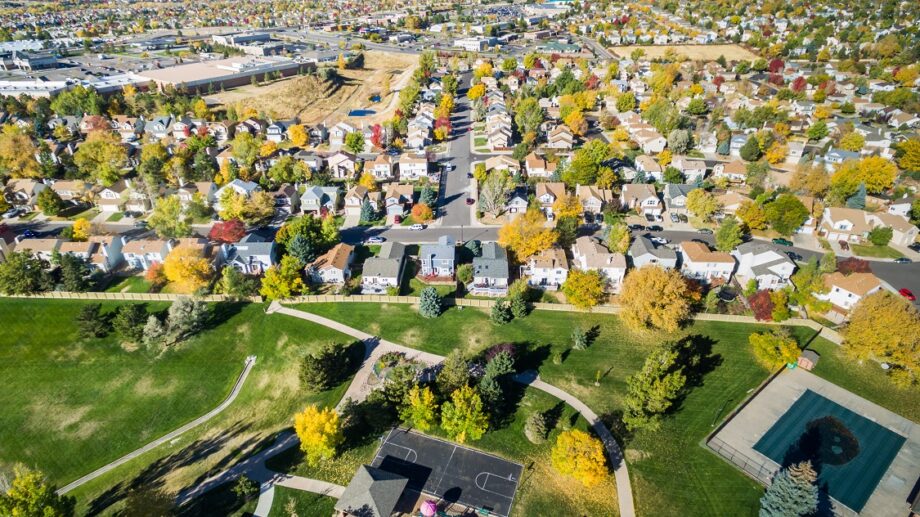
A deed restricted community is a residential development where property use is limited by legally binding rules recorded in each property’s deed. These restrictions – also called restrictive covenants or CC&Rs (Covenants, Conditions, and Restrictions) – apply to every homeowner in the community, both current and future owners.
Think of deed restrictions as permanent house rules that “run with the land.” They don’t expire when a property changes hands. Whether the restrictions were written 5 years ago or 50 years ago, anyone who buys property in a deed restricted neighborhood must abide by them.
These restrictions are typically created by developers during the initial build-out phase and enforced by a homeowners association (HOA). The stated purpose? Maintaining property values and community standards.
For Airbnb investors, the reality is more complicated.
Common Deed Restrictions That Impact Airbnb Hosts
Not all deed restrictions block short-term rentals outright. But many create obstacles that make Airbnb operations difficult or impossible.
Rental Duration Limits
The most direct restriction: many HOAs forbid any rentals of 30 days or less. Some go further, requiring minimum lease terms of 6 months or even a full year.
This effectively bans platforms like Airbnb and VRBO, which typically feature stays ranging from one night to several weeks.
Commercial Use Prohibitions
Deed restrictions often prohibit using residential properties for “business or commercial purposes.” Since listing your home on Airbnb qualifies as a lease where renters pay for short-term accommodation, this language can apply to short-term rental operations even when the restriction doesn’t explicitly mention Airbnb.
Check how your local jurisdiction defines commercial activity – the interpretation matters.
Platform-Specific Bans
Some communities have updated their CC&Rs to specifically prohibit Airbnb and VRBO by name. These platform-specific bans can exist even when other forms of short-term rentals might technically be allowed under older restriction language.
Owner-Occupancy Requirements
Certain deed restricted communities mandate that the property owner must live on-site during any rental period. This kills most Airbnb business models, which rely on maximizing rental income from properties the owner doesn’t occupy full-time.
Guest and Parking Limits
Even when short-term rentals aren’t explicitly banned, deed restrictions may limit the number of occupants per bedroom or vehicles allowed on the property. These caps can make marketing to larger groups or families impractical.
Architectural and Aesthetic Standards
Want to add a lockbox for keyless entry? Install security cameras? Upgrade outdoor lighting for safety? Deed restrictions often regulate these modifications. Some communities require board approval for any exterior changes, slowing down or blocking host improvements.
Why HOAs Restrict Short-Term Rentals
HOA boards don’t ban Airbnb because they’re allergic to innovation. They ban it because short-term rentals create real problems for residential communities.
Here’s their logic:
Increased Traffic and Parking Issues: Rotating guests every few days means more vehicles, more strangers entering the community, and parking congestion that permanent residents resent.
Higher Insurance Costs: When travelers regularly use common facilities like pools or fitness centers, HOA insurance rates climb. More use equals more liability risk, and those costs get passed to all homeowners.
Maintenance and Wear: Short-term guests are less invested in protecting property. They’re less careful with amenities, more likely to ignore community rules, and generally harder on shared spaces than long-term residents.
Security Concerns: Permanent residents want to know their neighbors. Constant turnover from Airbnb guests disrupts that sense of community and raises legitimate security questions.
Noise and Nuisance Complaints: Weekend party groups or large family reunions can be profit drivers for hosts, but they’re nightmares for neighbors trying to enjoy their homes in peace.
Is every short-term rental guest a problem? No. But HOA boards operate on risk management, not case-by-case evaluation. They see Airbnb as privatizing profits while socializing the downsides across the entire community.
Airbnb and HOA: How to Check for Restrictions Before You Buy
Due diligence isn’t optional when deed restrictions can tank your investment thesis. Here’s how to verify what you’re buying into:
1. Request the CC&Rs
Before making an offer, request a complete copy of the community’s Covenants, Conditions, and Restrictions. Read them. All of them.
Don’t rely on the listing agent’s summary. Look for specific language about:
- Minimum rental durations
- Commercial activity restrictions
- Leasing approval requirements
- Guest occupancy limits
2. Conduct a Title Search
A professional title search will reveal all deed restrictions attached to the property. Title companies uncover restrictions that might not appear in HOA documents, including outdated covenants that could still technically be enforceable.
3. Talk to the HOA Board
Contact the HOA directly and ask pointed questions:
- Are short-term rentals currently allowed?
- Has the board discussed changing rental policies recently?
- Are there any pending amendments to the CC&Rs?
Also ask how actively the HOA enforces restrictions. Some communities have rules on the books they never enforce. Others monitor listings daily and issue fines aggressively.
4. Check Local Listings
Search Airbnb and VRBO for properties in the same community. If you find multiple active listings, it suggests either the HOA allows short-term rentals or doesn’t enforce restrictions. Historical data from short-term rental analytics tools can show whether hosts in the area have operated successfully.
But be careful – just because others are doing it doesn’t mean it’s legal. Those hosts might be flying under the radar and risking penalties.
5. Review Local Government Regulations
Deed restrictions are only part of the equation. Many cities have their own short-term rental ordinances that layer on top of HOA rules. Check if your target market requires:
- Business licenses or permits
- Occupancy taxes
- Minimum stay requirements
- Owner registration
Cities like San Francisco have capped rentals at 90 days and require hosts to register with the city. Verify both HOA and municipal rules align with your business model.
6. Consult a Real Estate Attorney
When you’re investing serious money, pay for professional guidance. A real estate attorney can interpret complex restriction language, identify loopholes, and advise whether restrictions are enforceable given your specific situation and local case law.
The Consequences of Violating Deed Restrictions
What happens if you buy in a deed restricted community and list on Airbnb anyway?
Financial Penalties
HOAs can levy substantial fines for violations. Initial fines might start at $100-500 per incident, but they often double with each subsequent offense. If you continue operating, daily penalties can accumulate into thousands of dollars quickly.
Legal Action and Forced Compliance
Persistent violators face lawsuits. HOAs can obtain court orders forcing you to stop renting, terminate existing reservations, and cover the association’s legal fees.
In extreme cases, HOAs can place liens on your property, which complicates refinancing or selling.
Loss of Privileges
Some HOAs will revoke access to community amenities like pools, gyms, or parking areas for owners who violate restrictions. That might not directly impact your rental income, but it makes the property less attractive to guests and reduces your competitive edge.
Platform Penalties
If neighbors report your listing to Airbnb as violating local regulations or HOA rules, your host account could be suspended or permanently banned. Losing your hosting privileges means losing your primary distribution channel.
Difficulty Selling
Future buyers will discover the same restrictions you’re dealing with. If the property only makes financial sense as a short-term rental, deed restrictions that prohibit Airbnb significantly limit your buyer pool and resale value.
Can You Change or Remove Deed Restrictions?
Deed restrictions aren’t carved in stone. But changing them is difficult, time-consuming, and often unsuccessful.
Check for Expiration Dates
Some deed restrictions include sunset provisions with specific expiration dates. For example, a restriction might have been adopted 30 years ago with a 40-year lifespan. If you’re lucky, the restriction blocking your plans has already expired.
Review the original covenant carefully – expiration clauses exist more often than you’d expect.
Propose an Amendment
Modifying CC&Rs typically requires approval from a majority or supermajority of homeowners in the community. You can petition the HOA board to amend the restrictions, but success requires building consensus.
Prepare a strong case showing how allowing short-term rentals benefits the community:
- Increased property values in markets where vacation rentals drive demand
- Professional management that addresses neighbor concerns
- Revenue that supplements HOA operating budgets
Will this work? Sometimes. But expect significant resistance from permanent residents who moved to the community specifically because it banned transient occupancy.
Seek a Variance
Even when you can’t change the CC&Rs community-wide, you might obtain a specific exemption or variance for your property. This usually requires presenting your case to the HOA board and demonstrating minimal impact on neighbors.
Chances of success are higher if:
- Your property is on the community’s edge with fewer immediate neighbors
- You commit to professional management and strict house rules
- You can point to other similar exceptions granted previously
Legal Challenge
In rare cases, deed restrictions can be invalidated if they’re vague, impractical, illegal, or have been widely disregarded by neighbors and the HOA for years. Courts may also reject restrictions that violate fair housing laws or conflict with more recent state statutes.
This path requires litigation, which means legal fees that easily run into five figures. Only consider it when large sums are at stake and you have strong evidence the restriction shouldn’t apply.
Deed Restricted vs. Unrestricted Communities: What’s Better for Airbnb Investors?
For hosts focused exclusively on short-term rental income, unrestricted properties offer obvious advantages:
Maximum Flexibility: No HOA approval needed for rental operations, guest policies, or property modifications.
Lower Operating Costs: No monthly HOA fees eating into your profit margins.
Faster Decision-Making: You can respond quickly to market conditions without waiting for board meetings or amendment votes.
But unrestricted properties come with trade-offs:
Unrestricted communities typically lack shared amenities like pools, fitness centers, and maintained common areas – features that help justify premium nightly rates on Airbnb.
There’s also less predictability about future development. Without restrictions, neighboring properties could be converted to commercial uses that make the area less desirable for vacation rentals.
The bottom line: If you’re building an Airbnb portfolio, prioritize unrestricted properties or deed restricted communities with explicit short-term rental permissions. The flexibility is worth more than fancy amenities you can’t access when the HOA shuts you down.
Alternative Strategies When Facing Deed Restrictions
What if you’ve already bought in a deed restricted community or found a property you love despite the restrictions?
Focus on Mid-Term Rentals
If the community requires 30-day minimum stays, pivot to the mid-term rental market. This segment – corporate travelers, traveling nurses, relocating families, insurance-placed residents – has exploded in demand since 2020.
You’ll need to adjust your marketing and pricing, but many hosts find 30-90 day rentals generate comparable or better returns than Airbnb with far less operational headache.
Long-Term Rental with Occasional Personal Use
Buy the property as a traditional investment rental with a year-long lease. On renewal, negotiate lease terms that allow the tenant to sublease through Airbnb – with you taking a percentage. This keeps you technically compliant while still capturing short-term rental upside.
Alternatively, keep the property primarily for personal use (satisfying owner-occupancy requirements) but rent it out during your absence for longer stays that meet minimum duration requirements.
Build Relationships First
If you’re determined to operate an Airbnb in a restricted community, consider joining the HOA board or volunteering for committees. Becoming a known, trusted member of the community increases your chances of getting restrictions amended or obtaining a special exception.
This is a long-game strategy, but it’s often the only way to change minds in resistant communities.
Using Data to Find Airbnb-Friendly Markets
Don’t waste time fighting deed restrictions when you could be investing in markets where short-term rentals are welcomed. Use tools like The Offer Sheet’s city-by-city STR guides to identify communities with favorable regulations.
Look for markets where:
- Local governments actively support tourism and short-term rentals
- Few or no HOAs dominate the housing stock
- Property values and rental demand have grown consistently
- Regulations are clear and stable, not constantly changing
Calculate the real ROI using tools like our vacation rental ROI calculator before you make an offer. Factor in all costs – including HOA fees and potential restriction-related expenses – to see if the numbers actually work.
The Bottom Line: Know Before You Buy
Deed restrictions aren’t inherently good or bad. They protect property values for some homeowners while limiting opportunity for others.
What matters is knowing exactly what you’re buying into before you sign the purchase agreement.
Too many investors discover their “perfect” Airbnb property sits in a community where short-term rentals are strictly forbidden. By the time they learn this, they’ve lost their earnest money or, worse, closed on a property they can’t use as intended.
Do the research upfront:
- Read every page of the CC&Rs
- Talk to the HOA board directly
- Verify compliance with local regulations
- Consult legal counsel when restrictions are ambiguous
And if a property comes with deal-breaking deed restrictions? Walk away. The market is full of investment opportunities that don’t require fighting your own homeowners association.
💡 Want access to STR investment opportunities without deed restriction headaches?
Subscribe to The Offer Sheet and get curated short-term rental listings in Airbnb-friendly markets delivered to your inbox 6x/week. Pro members unlock exclusive off-market deals and connections to vetted agents who specialize in STR properties.
Find out how your potential investment stacks up with our Airbnb income calculator or check Airbnb cap rates by city to compare markets before you buy.