
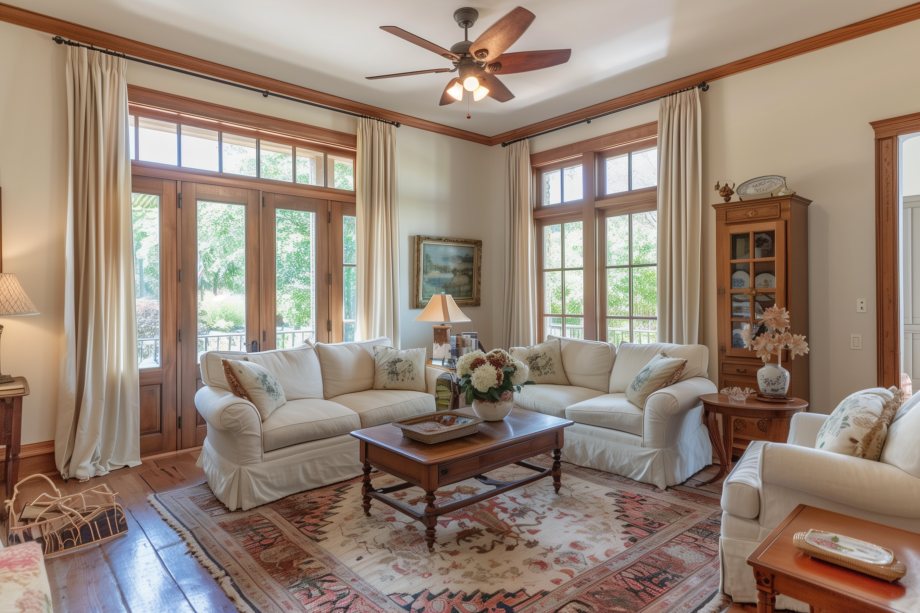
Thinking About Starting an Airbnb in Augusta?
🔥 Join 110,000+ real estate investors getting the most unique & profitable short-term rental investment opportunities delivered to your inbox, 6x/week. Subscribe Now
Disclaimer: This article is for informational purposes only and not legal advice. Regulations may have changed since publication. Always check with local authorities and consult a legal professional before making investment decisions.
Contents
- Introduction to Short-Term Rentals in Augusta
- Current Short-Term Rental Permit Requirements in Augusta
- Zoning Regulations for STRs in Augusta
- Required Documentation for Augusta Short-Term Rentals
- Augusta Short-Term Rental Taxes
- Safety Requirements and Inspections
- Augusta vs. Surrounding Areas: Regulation Comparison
- Enforcement of STR Rules in Augusta
- How to Start a Short-Term Rental Business in Augusta
- Advice from Successful Augusta STR Operators
- Who to Contact About Augusta STR Regulations
- Future Outlook for Augusta STR Regulations
- Ready to Invest in Augusta Short-Term Rentals?
Introduction to Short-Term Rentals in Augusta
Augusta, Georgia—home of the legendary Masters Tournament and a thriving medical corridor—represents one of the Southeast’s most intriguing short-term rental markets. With approximately 700 active STR properties operating throughout Richmond County, this historic city on the Savannah River offers investors a unique blend of year-round demand drivers and special event super-seasons.
The Masters Tournament alone transforms Augusta into a global destination each April, with rental rates skyrocketing and occupancy hitting 100% as golf enthusiasts from around the world descend on the city. But Augusta’s STR appeal extends far beyond one week in spring. The city’s robust medical industry, anchored by the Medical College of Georgia and multiple major hospitals, drives consistent business and medical tourism throughout the year.
What makes Augusta particularly attractive for STR investors right now is its regulatory environment—or lack thereof. As of 2025, Augusta remains one of the few major Georgia cities without STR-specific regulations. While cities like Atlanta, Savannah, and Athens have implemented strict permitting requirements, density caps, and operational restrictions, Augusta has maintained a relatively hands-off approach, requiring only standard business licensing that applies to all commercial enterprises.
This comprehensive guide breaks down everything you need to know about operating a legal and profitable short-term rental in Augusta in 2025, including what regulations exist, what’s being discussed, and how to capitalize on this unique market opportunity.
Current Short-Term Rental Permit Requirements in Augusta
Augusta-Richmond County takes a refreshingly straightforward approach to short-term rental regulation. Here’s what you need to operate legally:
No STR-Specific Permits Required
As of 2025, Augusta does not require any special short-term rental permits or licenses. This sets Augusta apart from many Georgia cities that have adopted comprehensive STR ordinances. There are no:
- STR-specific registration requirements
- Annual STR permit fees
- Rental day limitations
- Owner-occupancy requirements
- Density caps or neighborhood restrictions
Standard Business Requirements
While there’s no STR-specific permit, hosts must comply with standard business regulations:
- Business License/Occupational Tax Certificate: Required for all businesses operating in Augusta
- Application through the License & Inspection Department
- Fee based on estimated gross revenue
- Annual renewal required
- Can be completed online through the Augusta CityView Portal
- State Tax Registration: Register with the Georgia Department of Revenue
- Obtain Georgia Tax Identification Number
- Required for sales and hotel-motel tax collection
- Online registration available (typically processed within 15 minutes)
- Local Tax Registration: Register with Augusta Finance Department
- Required for local hotel-motel tax collection
- Monthly filing requirements
The Regulatory Landscape
Augusta has considered STR regulations multiple times:
- 2022 Research Phase: Planning Department conducted extensive research on potential regulations
- September 2023 Decision: Commission voted to maintain status quo, not implementing new restrictions
- Ongoing Monitoring: City continues to watch other Georgia cities but hasn’t moved forward with regulations
Commissioner Stacy Pulliam noted that after hearing from the Sheriff’s Office, Marshal’s Office, and Planning Department, “there have not been a lot of calls” regarding STR issues, supporting the decision to maintain current policies.
Zoning Regulations for STRs in Augusta
While Augusta doesn’t have STR-specific zoning restrictions, understanding the general zoning framework is important:
Where STRs Can Operate
Short-term rentals are presumed to be allowed in:
- Residential Zones (R-1A, R-2, R-3, etc.): No specific prohibitions
- Commercial Zones (B-1, B-2, C-1, C-2): Generally permitted
- Mixed-Use Districts: Typically allowed
- Historic Districts: No additional STR restrictions
They may face limitations in:
- Industrial Zones: Generally not appropriate for lodging uses
- Special Purpose Districts: May have specific restrictions
Zoning Verification
Before investing, verify zoning through:
- Augusta Planning & Development Department
- Online GIS mapping system
- Comprehensive Zoning Ordinance review
HOA and Covenant Restrictions
Even without city restrictions, private limitations may apply:
- Many subdivisions prohibit or limit short-term rentals
- Historic neighborhood associations may have guidelines
- Always review deed restrictions and HOA bylaws
The lack of city-imposed zoning restrictions for STRs gives investors significant flexibility in property selection compared to more regulated markets.
Required Documentation for Augusta Short-Term Rentals
To operate legally in Augusta, maintain these essential documents:
- Business License/Occupational Tax Certificate: Current and displayed as required
- Renewed annually based on gross revenue
- Available through Augusta CityView Portal
- Georgia Tax Identification Number: For state tax compliance
- Obtained through Georgia Department of Revenue
- Required before first rental
- State Sales Tax Permit: Required for 4% state sales tax collection
- Hotel-Motel Tax Registration: For local lodging tax
- Register with Augusta Finance Department
- 6% local tax rate
- Property Documentation:
- Proof of ownership or authorization to rent
- Current property insurance
- Property tax records
- Safety Compliance Records: While not specifically required for STRs, maintaining documentation of safety features is advisable
- Financial Records: Detailed tracking of:
- All rental income
- Taxes collected
- Operating expenses
- Guest stays
The relatively minimal documentation requirements compared to other cities make Augusta an easier market to enter for new STR operators.
Augusta Short-Term Rental Taxes
Understanding the tax obligations is crucial for STR operators in Augusta:
State Taxes
- Georgia Sales Tax: 4% of gross rental receipts
- Applies to all rental charges
- Includes cleaning fees and other mandatory charges
- Georgia Hotel-Motel Fee: $5 per night (for stays under 30 days)
- Flat fee regardless of rental rate
- Not applicable for stays exceeding 30 consecutive days
Local Taxes
- Augusta-Richmond County Hotel-Motel Excise Tax: 6% of gross rental receipts
- Applies to transient accommodations
- Monthly reporting and payment required
Tax Collection and Remittance
Platform handling varies:
- Airbnb: May collect and remit some taxes automatically
- VRBO: Similar automated collection for certain taxes
- Direct Bookings: Host responsible for all tax collection
Important considerations:
- Verify which taxes platforms collect on your behalf
- Register even if platforms handle some taxes
- File monthly returns by the 20th of following month
- Maintain detailed records of all transactions
Masters Tournament Tax Implications
During Masters week, with rates potentially 10x normal prices, proper tax collection becomes even more critical. Many hosts generate a significant portion of annual revenue during this single week, making accurate tax reporting essential.
Safety Requirements and Inspections
While Augusta doesn’t mandate STR-specific inspections, Georgia state law requires certain safety features:
Required Safety Equipment (Per Georgia Law)
Smoke Detectors:
- Required in all dwelling units used for lodging
- Must be installed per manufacturer recommendations
- One per floor minimum, including basements
- Located centrally in corridors accessing bedrooms
- Battery-operated acceptable for pre-1987 buildings
- 10-year sealed battery units recommended
Carbon Monoxide Detectors:
- Required where fuel-burning appliances present
- Includes properties with:
- Gas furnaces/water heaters
- Fireplaces
- Attached garages
- Can be battery-operated or hardwired
Best Practices for STR Safety
Even without mandated inspections, professional hosts should:
- Install smoke detectors in each bedroom
- Provide fire extinguishers on each level
- Post emergency evacuation plans
- Maintain clear emergency exits
- Display emergency contact information
- Ensure adequate exterior lighting
- Secure pools/hot tubs if present
Insurance Considerations
While not mandated by the city:
- Standard homeowner’s insurance often excludes STR activity
- Specialized STR or commercial liability coverage recommended
- Minimum $1 million liability coverage advisable
- Consider additional coverage for Masters week
Maintaining high safety standards protects both guests and your investment, even without city-mandated inspections.
Augusta vs. Surrounding Areas: Regulation Comparison
How does Augusta’s regulatory environment compare to other Georgia markets?
Atlanta
- Strict STR ordinance since 2021
- Limited to 2 properties per owner
- Primary residence requirement for first property
- Annual permits required
- Much more restrictive than Augusta
Savannah
- Comprehensive STVR regulations
- $400 initial application fee
- Strict zoning restrictions and ward caps
- 20% density limit in residential areas
- Significantly more regulated than Augusta
Columbus
- STR permit required
- Business license needed
- 8% hotel-motel tax
- More restrictive but still manageable
Athens-Clarke County
- Recently adopted strict regulations
- Legal non-conforming provisions
- Home occupation vs. commercial distinctions
- Much more complex than Augusta
North Augusta, SC (Across the River)
- Different state regulations
- Worth considering for overflow demand
- May offer additional opportunities
Augusta’s minimal regulation makes it one of Georgia’s most investor-friendly STR markets, especially compared to other major cities.
Enforcement of STR Rules in Augusta
Understanding Augusta’s enforcement approach helps assess operational risks:
Current Enforcement Status
Augusta’s enforcement is minimal due to lack of specific regulations:
- No dedicated STR enforcement team
- No systematic monitoring of listings
- Complaint-based response only
- Standard business license compliance checks
Types of Issues Addressed
When complaints arise, they typically involve:
- Noise disturbances
- Parking problems
- Property maintenance
- Tax collection failures
- Business license compliance
Potential Penalties
For violations of existing requirements:
- Business license violations: Fines and potential closure
- Tax non-compliance: Penalties up to 50% of tax owed plus interest
- Nuisance violations: Standard code enforcement procedures
Future Enforcement Considerations
While current enforcement is light, this could change if:
- Neighborhood complaints increase
- City adopts STR-specific regulations
- State legislation mandates local action
The current low-enforcement environment rewards responsible operators who maintain good neighbor relations and tax compliance.
How to Start a Short-Term Rental Business in Augusta
Follow this roadmap to launch your Augusta STR:
Step 1: Market Research & Property Selection
- Focus on areas near Medical District for year-round demand
- Consider proximity to Augusta National for Masters premium
- Evaluate downtown for business travelers
- Research neighborhoods popular with traveling nurses
- Analyze competition on Airbnb/VRBO
Step 2: Zoning & Restriction Verification
- Confirm zoning classification through Planning Department
- Review HOA documents thoroughly
- Check deed restrictions
- Verify no industrial zoning issues
- Research any overlay district requirements
Step 3: Property Acquisition & Setup
- Purchase property or secure rental agreement
- Plan for Masters week premium pricing potential
- Install comprehensive safety equipment
- Furnish for both business and leisure travelers
- Consider medical professional amenities
Step 4: Business Registration & Licensing
- Apply for business license/occupational tax certificate
- Register with Georgia Department of Revenue
- Set up local tax accounts with Augusta Finance
- Obtain federal EIN if needed
- Establish business banking
Step 5: Operations Setup
- Create compelling listings highlighting:
- Proximity to Augusta National
- Medical facility access
- Downtown attractions
- Set dynamic pricing (especially for Masters)
- Establish cleaning protocols
- Develop guest communication templates
- Build local service provider network
Step 6: Ongoing Compliance & Growth
- File monthly tax returns
- Renew business license annually
- Monitor potential regulation changes
- Build reputation through reviews
- Consider expanding portfolio in unregulated market
Advice from Successful Augusta STR Operators
Insights from experienced Augusta vacation rental owners:
“Masters week is obviously huge—we charge $2,500/night for a property that normally rents for $150. But don’t overlook the medical market. Traveling nurses and medical residents provide steady year-round income.” – Michael R., owner of 6 Augusta STRs
“The lack of regulations compared to Atlanta is refreshing. We can actually run a business without jumping through endless hoops. Just maintain good relationships with neighbors and pay your taxes.” – Jennifer S., Augusta property manager
“Location strategy is key here. Properties within 5 miles of Augusta National command premium rates year-round because guests hope to get practice round tickets or just want to see the course.” – David K., 8-year STR investor
“We’ve found success with extended stays for medical professionals. Offering monthly discounts for traveling nurses provides stable income between tourist seasons.” – Patricia L., healthcare-focused STR operator
The consensus is that Augusta’s unique combination of special events and medical tourism, paired with minimal regulation, creates exceptional opportunities for strategic investors.
Who to Contact About Augusta STR Regulations
For official information and assistance:
Augusta Planning & Development Department
- Planning Division: (706) 821-1796
- Address: 535 Telfair St., Suite 300, Augusta, GA 30901
- Website: augustaga.gov
Augusta License & Inspection Department (Business Licensing)
- Phone: (706) 312-5053
- Address: 1803 Marvin Griffin Rd., Augusta, GA 30906
- Online Portal: Augusta CityView Portal
Augusta Finance Department (Tax Registration)
- Phone: (706) 821-1850
- For hotel-motel tax registration and filing
Georgia Department of Revenue
- Phone: (877) 423-6711
- Website: dor.georgia.gov
- For state tax registration
Augusta Convention & Visitors Bureau
- Phone: (706) 823-6600
- Website: visitaugusta.com
- For tourism insights and event calendars
Future Outlook for Augusta STR Regulations
What to expect for Augusta’s STR market going forward:
- Continued Status Quo Likely: Recent decision to maintain current approach suggests stability
- Masters Growth: Tournament’s prestige continues driving premium rental demand
- Medical Sector Expansion: Cyber security initiatives and medical growth support year-round demand
- Potential Regulation Triggers: Only significant neighborhood complaints likely to prompt action
- State-Level Monitoring: Georgia legislature hasn’t moved on statewide STR rules
- Competitive Advantage: As other cities tighten rules, Augusta’s openness attracts investors
Commissioner Catherine Smith McKnight has advocated for regulations similar to Macon and Savannah, but currently lacks commission support. This suggests investors have time to establish operations before potential future restrictions.
The combination of minimal regulation, diverse demand drivers, and the Masters Tournament premium continues to make Augusta an attractive STR investment destination.
Ready to Invest in Augusta Short-Term Rentals?
Augusta offers exceptional potential for STR investors seeking a market with minimal regulatory barriers and maximum opportunity. The unique combination of Masters Tournament super-premiums, steady medical tourism, business travel, and year-round mild climate creates multiple revenue streams for savvy operators.
With no STR-specific regulations, no density caps, no owner-occupancy requirements, and straightforward business licensing, Augusta remains one of the Southeast’s most accessible markets for both new and experienced investors. The key to success is strategic property selection, professional operations, and positioning for both special events and everyday demand.
🔥 Ready to find the best STR deals in Augusta and beyond? Subscribe to The Offer Sheet and join 110,000+ investors getting curated, profitable short-term rental opportunities delivered directly to your inbox 6x/week.
⭐️ Already a subscriber? Upgrade to Pro to get access to 40+ properties daily, exclusive off-market deals, and premium analysis tools to maximize your STR investment returns.
Remember: Always consult with local legal and tax professionals before making investment decisions.