
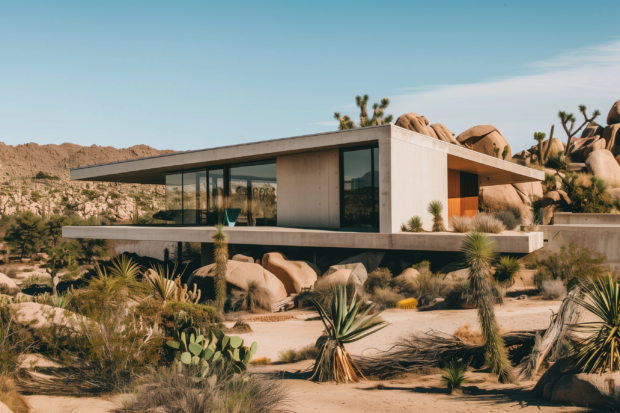
Thinking About Starting an Airbnb in Joshua Tree?
🔥 Join 150,000+ real estate investors getting the most unique & profitable short-term rental investment opportunities delivered to your inbox, 6x/week. Subscribe Now
Disclaimer: This article is for informational purposes only and not legal advice. Regulations may have changed since publication. Always check with local authorities and consult a legal professional before making investment decisions.
Contents
- Introduction to Short-Term Rentals in Joshua Tree
- Current Short-Term Rental Permit Requirements in Joshua Tree
- Zoning Regulations for STRs in Joshua Tree
- Required Documentation for Joshua Tree Short-Term Rentals
- Joshua Tree Short-Term Rental Taxes
- Safety Requirements and Inspections
- Joshua Tree vs. Surrounding Areas: Regulation Comparison
- Enforcement of STR Rules in Joshua Tree
- How to Start a Short-Term Rental Business in Joshua Tree
- Advice from Successful Joshua Tree STR Operators
- Who to Contact About Joshua Tree STR Regulations
- Future Outlook for Joshua Tree STR Regulations
- Ready to Invest in Joshua Tree Short-Term Rentals?
Introduction to Short-Term Rentals in Joshua Tree
Joshua Tree, California, has emerged as one of the most unique and sought-after destinations in the American Southwest. This unincorporated community in San Bernardino County offers visitors an otherworldly desert landscape, proximity to Joshua Tree National Park, and the perfect blend of artistic culture and spiritual retreat opportunities.
The area gained massive popularity during the COVID-19 pandemic as travelers sought wide-open spaces and unique accommodations away from crowded cities. This “short-term rental gold rush” transformed Joshua Tree from a quiet desert community into a booming vacation rental market, with properties ranging from modernist architectural marvels to bohemian desert retreats.
However, this rapid growth has not come without challenges. The surge in STRs has created tension between tourism revenue and housing availability for locals, leading to increasingly strict regulations. Home values skyrocketed from around $245,000 before the pandemic to over $414,000 by 2022, largely driven by STR investment activity.
As an unincorporated area, Joshua Tree falls under San Bernardino County jurisdiction, which has implemented comprehensive regulations to manage the STR boom while addressing community concerns. This guide provides everything you need to know about operating a legal and profitable short-term rental in Joshua Tree in 2025.
Current Short-Term Rental Permit Requirements in Joshua Tree
Since Joshua Tree is an unincorporated area, all STR regulations are managed by San Bernardino County Land Use Services. Here’s the complete permit structure:
Primary Permit Requirements
- Short-Term Rental Permit: Required from San Bernardino County
- Initial application fee: $667
- Annual renewal fee: $600
- Valid for one year from issuance date
- Must be renewed annually with re-inspection
- Special Use Permit: STR operations require special use permitting
- Applied for through EZ Online Permitting Portal
- Subject to neighbor notification requirements
- Includes mandatory waiting periods for public comment
Recent Regulatory Changes
San Bernardino County implemented significant changes in recent years:
- Permit Cap per Owner: Maximum of 2 STR permits per individual, corporation, trust, LLC, or LLP
- Property Limitations:
- 1 STR permitted on parcels under 2 acres
- 2 STRs permitted on parcels over 2 acres
- Grandfathering: Existing operators with more than 2 permits are grandfathered but cannot obtain additional permits
Application Process Timeline
The permit process includes multiple phases:
- Application Submission: Online application with all required documents and fees
- Neighbor Notification Period: 20-day public comment period
- Exterior Inspection: County Code Enforcement officer inspection
- Interior Self-Certification: Owner completes interior checklist
- Permit Issuance: Upon successful completion of all requirements
Total processing time typically ranges from 6-12 weeks depending on inspection scheduling and any required corrections.
Zoning Regulations for STRs in Joshua Tree
As an unincorporated area, Joshua Tree’s STR regulations are primarily based on San Bernardino County’s mountain and desert area rules rather than specific zoning districts:
Permitted Areas
STRs are generally allowed in:
- Mountain and Desert Regions: Primary coverage area for Joshua Tree
- Residential Properties: Single-family homes and accessory dwelling units
- Rural Residential Areas: Lower-density residential areas common in Joshua Tree
Prohibited Properties
STRs are NOT permitted in:
- Multi-Family Apartment Units: Individual units within apartment complexes
- Properties Under 2 Acres with Existing STR: Only one STR per parcel under 2 acres
- Areas with HOA Restrictions: Many communities have private restrictions
Special Considerations
- Accessory Dwelling Units (ADUs): Can be used as STRs if they meet all standards
- Historic Properties: May have additional preservation requirements
- Fire Hazard Areas: Additional safety requirements may apply during high fire danger periods
- National Park Proximity: Properties near Joshua Tree National Park may have enhanced visibility and demand
Environmental Factors
Joshua Tree’s unique desert environment creates additional considerations:
- Water Usage: Desert water conservation requirements
- Waste Management: Proper sewage and trash disposal in rural areas
- Wildlife Protection: Joshua trees and desert wildlife preservation
- Dark Sky Preservation: Light pollution restrictions to maintain stargazing appeal
Required Documentation for Joshua Tree Short-Term Rentals
To operate legally, maintain these essential documents:
- Short-Term Rental Permit: Current county permit displayed in property
- Special Use Permit: County land use authorization
- Transient Occupancy Tax Certificate: TOT registration with county tax collector
- California Sales Tax Permit: State tax collection authorization
- Property Ownership Documentation: Deed or title verification
- Site Plan: Detailed property layout showing parking and structures
- Operations Plan: Comprehensive management and impact mitigation plan
- Interior Checklist & Owner Acknowledgement: Self-certification forms
- 24-Hour Contact Information: Emergency response contact details
- Good Neighbor Brochure: County-provided guest information
- Insurance Documentation: Liability insurance certificates
- Noise Monitoring Device: Optional $150 credit for installation
- Parking Plan: Adequate parking space documentation
- Occupancy Limits Documentation: Maximum guest capacity verification
- Emergency Contact Procedures: Local response protocols
Ongoing Documentation Requirements
- Guest Registration Records: Maintain detailed stay records
- Compliance Documentation: Records of adherence to permit conditions
- Neighbor Communication: Documentation of community relations
- Maintenance Records: Property upkeep and safety system maintenance
Successful operators maintain comprehensive digital filing systems for easy access during inspections, renewals, and potential enforcement actions.
Joshua Tree Short-Term Rental Taxes
STR operators in Joshua Tree face multiple tax obligations:
Local Taxes
- San Bernardino County Transient Occupancy Tax (TOT): 7% of gross rental receipts
- Collected from guests: Added to rental rate
- Quarterly reporting: Required filing schedule
- Airbnb collection: Platform collects and remits TOT automatically
State Taxes
- California Sales Tax: 7.75% total rate (varies by specific location)
- 6% state sales tax
- Additional district taxes vary by exact location
- California Income Tax: Rental income subject to state income tax
Federal Taxes
- Federal Income Tax: All rental income taxable at federal level
- Self-Employment Tax: May apply depending on level of services provided
Tax Registration Requirements
- TOT Registration: Register with San Bernardino County Tax Collector
- Sales Tax Registration: Register with California Department of Tax and Fee Administration
- Business License: May be required depending on operation scale
Tax Collection and Remittance
- Automatic Collection: Airbnb collects TOT automatically for most stays
- Direct Bookings: You must collect all applicable taxes
- Quarterly Filing: County requires quarterly TOT returns
- Record Keeping: Maintain detailed records of all rental income and tax collections
Safety Requirements and Inspections
San Bernardino County maintains strict safety standards for all STR properties:
Required Safety Equipment
- Smoke Detectors: In all bedrooms and common areas
- Carbon Monoxide Detectors: Near sleeping areas and fuel-burning appliances
- Fire Extinguishers: Appropriate type and placement for desert properties
- Emergency Lighting: Battery backup lighting systems
- First Aid Kits: Basic medical supplies for remote desert location
- Emergency Communication: Working telephone or cell coverage verification
Desert-Specific Safety Requirements
- Water Supply: Adequate potable water supply verification
- Sewage Systems: Proper septic system capacity and maintenance
- Access Roads: Emergency vehicle access in desert terrain
- Wildlife Safety: Guest education about desert wildlife encounters
- Extreme Weather Preparedness: Heat safety and flash flood awareness
Inspection Requirements
Exterior Inspection: Mandatory county inspection covering:
- Parking Capacity: Verification of adequate parking spaces
- Property Access: Emergency vehicle accessibility
- Structural Safety: Building condition and safety features
- Compliance Verification: Adherence to permit conditions
Interior Self-Certification: Owner-completed checklist covering:
- Safety Equipment: Smoke/CO detectors, fire extinguishers
- Building Codes: Compliance with residential building standards
- Occupancy Limits: Bedroom count and capacity verification
Ongoing Safety Obligations
- Annual Inspection: Required for permit renewal
- Equipment Maintenance: Regular testing and replacement of safety devices
- Guest Safety Information: Comprehensive safety guides for desert environment
- Emergency Response Plan: Procedures for medical emergencies in remote areas
Joshua Tree vs. Surrounding Areas: Regulation Comparison
How do Joshua Tree’s regulations compare to nearby desert communities?
Yucca Valley
- Municipal ordinance: Town Ordinance 312 regulates STRs
- Permit cap: Limited to 10% of total housing stock
- Guest limits: Maximum 8 guests (with special permits for larger homes)
- Response time: 15-minute phone/30-minute in-person response requirement
- More restrictive: Incorporated town with tighter controls
Twentynine Palms
- Marine base proximity: Additional considerations due to military presence
- Less STR activity: Lower tourism demand compared to Joshua Tree
- Similar county regulations: Also unincorporated San Bernardino County jurisdiction
Palm Springs Area
- Municipal STR programs: Each city has specific ordinances
- Higher fees: Generally more expensive permit structures
- Density restrictions: Neighborhood percentage caps
- More established: Longer history of STR regulation
Big Bear/Mountain Communities
- Similar county oversight: San Bernardino County mountain region regulations
- Seasonal considerations: Winter sports vs. year-round desert appeal
- Higher permit volume: More established STR markets
Joshua Tree’s regulations fall in the middle range—more restrictive than completely unregulated areas but less restrictive than some incorporated cities with strict density caps.
Enforcement of STR Rules in Joshua Tree
San Bernardino County has significantly strengthened STR enforcement in recent years:
Enforcement Structure
- 24/7 Complaint Hotline: 1-833-SBC-STR1 (1-833-722-7871)
- Online Complaint System: Digital reporting through county website
- Code Enforcement Officers: Dedicated STR compliance staff
- Interactive Permit Map: Public database of all permitted STRs
Common Violations
The most frequent issues include:
- Operating Without Permits: Unlicensed STR operations
- Occupancy Violations: Exceeding maximum guest limits
- Noise Complaints: Desert sound carries far, neighbors are often distant but still affected
- Parking Violations: Inadequate parking for desert properties
- Trash Management: Improper waste disposal in rural areas
- Water Usage: Excessive consumption in water-scarce environment
- Tax Non-Compliance: Failure to collect or remit required taxes
Penalty Structure
San Bernardino County dramatically increased penalties in 2021:
- First Offense: $1,000 per day fine
- Second Offense: $3,000 per day fine
- Third Offense: $5,000 per day fine
- Criminal Misdemeanor: Violations are now criminal offenses
- Permit Revocation: Possible loss of operating authority
- Jail Time: Up to 6 months imprisonment for serious violations
Recent Enforcement Actions
- 1,300+ complaints received in first half of 2023
- 51 citations issued for various violations
- Increased monitoring of unpermitted operations
- Enhanced neighbor notification requirements
Market Impact of Enforcement
Strict enforcement has contributed to:
- Reduced permit applications: Fewer new operators entering market
- Market consolidation: Some investors exiting due to compliance costs
- Quality improvement: Remaining operators focus on professional management
- Community relations: Better neighbor relationships through accountability
How to Start a Short-Term Rental Business in Joshua Tree
Follow this roadmap to launch your Joshua Tree STR:
Step 1: Market Research & Feasibility Analysis
- Study Tourism Patterns: Peak seasons (fall/spring), festivals, park events
- Competition Analysis: Research existing STRs and pricing strategies
- Location Assessment: Proximity to Joshua Tree National Park, amenities, accessibility
- ROI Calculation: Factor in high permit costs, taxes, and compliance requirements
- Market Saturation: Current supply vs. demand analysis
Step 2: Property Selection and Acquisition
- Zoning Verification: Confirm property is in permitted area
- Permit Limitations: Check if parcel already has maximum allowed STRs
- HOA Restrictions: Review any private community limitations
- Infrastructure Assessment: Water, septic, power, internet access
- Investment Strategy: Consider unique architecture, views, amenities that command premium rates
Step 3: Regulatory Compliance Preparation
- Ownership Documentation: Ensure clear title and ownership rights
- Site Planning: Develop property layout and parking plan
- Operations Planning: Create comprehensive guest management strategy
- Neighbor Relations: Proactive community outreach and communication
- Professional Consultation: Consider legal and property management expertise
Step 4: Permit Application Process
- Online Registration: Create account in EZ Online Permitting Portal
- Document Assembly: Gather all required documentation and plans
- Fee Payment: Submit $667 initial application fee
- Neighbor Notification: County handles required neighbor notification process
- Inspection Preparation: Prepare property for exterior inspection
Step 5: Property Preparation and Safety Compliance
- Safety Equipment Installation: Smoke detectors, CO detectors, fire extinguishers
- Desert-Specific Preparations: Water storage, emergency supplies, wildlife safety
- Guest Amenities: Create unique desert experience with appropriate amenities
- Parking Development: Ensure adequate off-street parking
- Signage: Prepare for permit display requirements
Step 6: Tax Registration and Business Setup
- TOT Registration: Register with San Bernardino County Tax Collector
- Sales Tax Registration: Register with California tax authorities
- Business Structure: Consider LLC or other business entity formation
- Insurance: Obtain appropriate liability and property coverage
- Banking: Set up business banking and tax collection systems
Step 7: Operations Launch
- Listing Creation: Develop compelling descriptions highlighting desert experience
- Pricing Strategy: Competitive analysis and seasonal pricing
- Guest Communication: 24-hour contact system and response protocols
- Cleaning and Maintenance: Establish service provider network
- Marketing: Leverage Joshua Tree’s unique appeal and Instagram-worthy aesthetics
Step 8: Ongoing Compliance and Growth
- Annual Renewals: Maintain permits and inspections
- Tax Compliance: Timely filing and payment of all taxes
- Community Relations: Maintain positive neighbor relationships
- Market Adaptation: Adjust to changing regulations and market conditions
- Quality Improvement: Continuous enhancement of guest experience
Advice from Successful Joshua Tree STR Operators
Insights from experienced Joshua Tree vacation rental owners:
“The permit process is expensive and time-consuming, but it’s worth it for the legitimacy and protection it provides. We’ve seen too many operators get hit with huge fines for operating without permits.” – Sarah M., owner of 2 Joshua Tree STRs
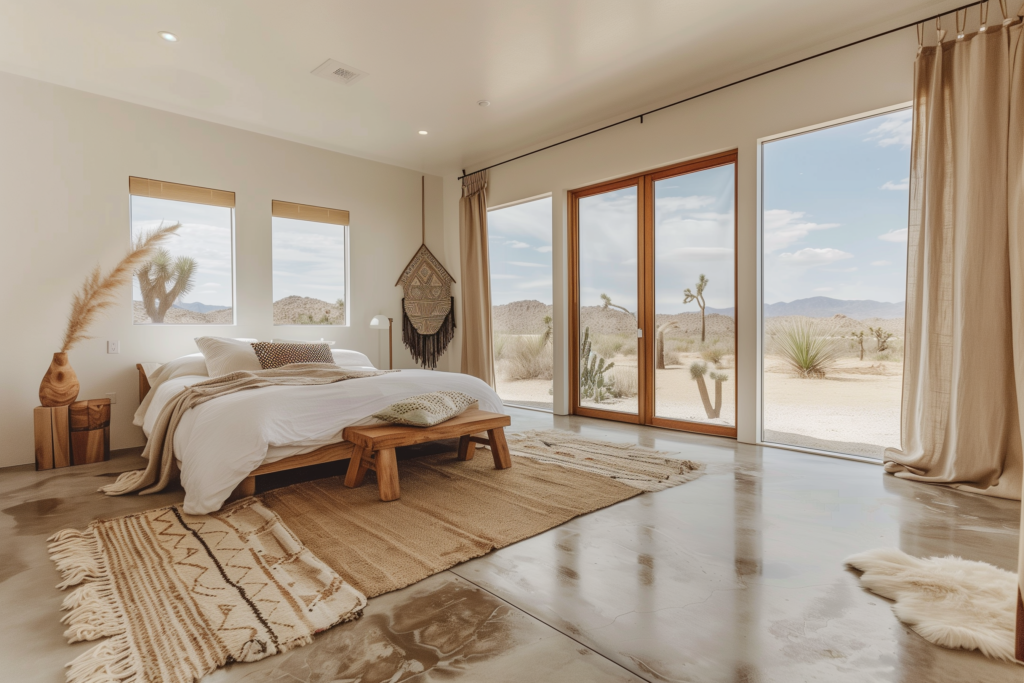
“Focus on the unique desert experience. Our most successful properties are the ones that really embrace the Joshua Tree aesthetic—modern desert design, incredible views, and amenities that work with the environment rather than against it.” – Michael R., Joshua Tree property manager
“The 24-hour response requirement is real. We use a professional property management company because trying to manage emergency calls from Los Angeles when you’re dealing with desert properties just doesn’t work.” – Jennifer K., investor from Orange County
“Water usage is a huge issue here. We’ve invested in low-flow fixtures and xeriscaping, and we educate guests about desert conservation. It’s good for the environment and keeps our utility costs manageable.” – Robert T., sustainable STR operator
“The market has definitely cooled from the COVID peak, but there’s still strong demand for quality properties. The key is having something truly special—amazing architecture, incredible views, or unique amenities that justify premium pricing.” – Amanda L., Joshua Tree Superhost
The consensus among successful operators is that Joshua Tree rewards those who embrace the desert lifestyle, maintain regulatory compliance, and provide authentic experiences that capture the area’s unique spiritual and artistic appeal.
Who to Contact About Joshua Tree STR Regulations
For official information and assistance:
San Bernardino County Land Use Services
- Phone: (909) 387-8311
- Website: lus.sbcounty.gov
- EZ Online Permitting Portal: wp.sbcounty.gov/ezop
San Bernardino County Code Enforcement (STR-Specific)
- Phone: (909) 884-4056
- STR Information Website: str.sbcounty.gov
- 24/7 STR Complaint Hotline: 1-833-SBC-STR1 (1-833-722-7871)
San Bernardino County Tax Collector
- Phone: (909) 387-8308
- Website: mytaxcollector.com
- For Transient Occupancy Tax registration and questions
California Department of Tax and Fee Administration
- Phone: 1-800-400-7115
- Website: cdtfa.ca.gov
- For California sales tax registration
Joshua Tree Municipal Advisory Council
- Liaison between community and San Bernardino County government
- Provides local perspective on community issues
Future Outlook for Joshua Tree STR Regulations
What to expect for Joshua Tree STR regulations going forward:
Market Trends
- Supply Stabilization: Permit caps may slow new STR growth
- Quality Focus: Emphasis on professional operations and unique experiences
- Seasonal Demand: Continued strength in fall/spring peak seasons
- Premium Positioning: High-quality properties maintaining strong performance
Regulatory Evolution
- Enhanced Enforcement: Continued strengthening of compliance monitoring
- Technology Integration: Improved online systems for permitting and renewals
- Environmental Focus: Increased emphasis on water conservation and desert preservation
- Community Balance: Ongoing efforts to balance tourism benefits with resident concerns
Recent Developments
- 2022 Permit Pause: 45-day moratorium on new permits during regulation review
- Occupancy Amendments: Refined guest limits and parcel restrictions
- Noise Monitoring Incentives: $150 credits for voluntary noise monitoring installation
- Grandfathering Provisions: Protection for existing operators while limiting expansion
Long-Term Considerations
- Housing Impact Studies: Ongoing analysis of STR effects on local housing
- Infrastructure Planning: Desert community capacity for tourism growth
- Climate Change: Potential impacts on desert tourism and operations
- National Park Coordination: Collaboration with federal land management
Despite the regulatory complexity and market cooling from COVID peaks, Joshua Tree remains an attractive STR investment destination for operators who embrace compliance and focus on delivering authentic desert experiences.
Ready to Invest in Joshua Tree Short-Term Rentals?
Joshua Tree offers exceptional opportunities for STR investors who understand the unique desert market and regulatory environment. With its otherworldly landscapes, proximity to Joshua Tree National Park, and growing reputation as an artistic and spiritual retreat, the area continues to attract visitors seeking authentic desert experiences.
While San Bernardino County’s regulations have become more stringent, they also provide legitimacy and protection for compliant operators. The permit caps and enforcement measures have reduced competition from unlicensed operators while maintaining a quality standard that benefits the entire market.
Success in Joshua Tree requires understanding the desert environment, embracing the area’s unique culture, and maintaining professional operations that respect both guests and the local community. Properties that offer authentic desert experiences—whether through stunning architecture, incredible stargazing, or immersive natural settings—continue to command premium rates despite market cooling.
🔥 Ready to find the best STR deals in Joshua Tree and beyond? Subscribe to The Offer Sheet and join 150,000+ investors getting curated, profitable short-term rental opportunities delivered directly to their inbox 6x/week.
⭐️ Already a subscriber? Upgrade to Pro to get access to 40+ properties daily, exclusive off-market deals, and premium analysis tools to maximize your STR investment returns.
Remember: Always consult with local legal and tax professionals before making investment decisions.