
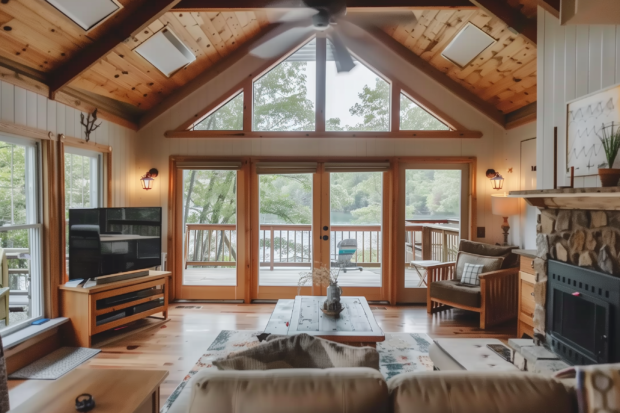
Thinking About Starting an Airbnb in Lake Lure?
🔥 Join 150,000+ real estate investors getting the most unique & profitable short-term rental investment opportunities delivered to your inbox, 6x/week. Subscribe Now
Disclaimer: This article is for informational purposes only and not legal advice. Regulations may have changed since publication. Always check with local authorities and consult a legal professional before making investment decisions.
Contents
- Introduction to Short-Term Rentals in Lake Lure
- Current Short-Term Rental Permit Requirements in Lake Lure
- Zoning Regulations for STRs in Lake Lure
- Required Documentation for Lake Lure Short-Term Rentals
- Lake Lure Short-Term Rental Taxes
- Safety Requirements and Inspections
- Lake Lure vs. Surrounding Areas: Regulation Comparison
- Enforcement of STR Rules in Lake Lure
- How to Start a Short-Term Rental Business in Lake Lure
- Advice from Successful Lake Lure STR Operators
- Who to Contact About Lake Lure STR Regulations
- Future Outlook for Lake Lure STR Regulations
- Ready to Invest in Lake Lure Short-Term Rentals?
Introduction to Short-Term Rentals in Lake Lure
Lake Lure, North Carolina, has become one of the Southeast’s most sought-after destinations for short-term rental investors. This stunning mountain lake community, made famous by the movie “Dirty Dancing,” combines natural beauty with tourism appeal that drives consistent rental demand throughout the year.
Nestled in the foothills of the Blue Ridge Mountains in Rutherford County, Lake Lure offers visitors a perfect blend of outdoor adventure and small-town charm. The 720-acre lake, surrounded by towering mountains and featuring the iconic Chimney Rock State Park nearby, attracts tourists from across the Southeast seeking scenic beauty, outdoor recreation, and peaceful retreats.
The town’s tourism-dependent economy creates a favorable environment for vacation rental operators, with local government recognizing the economic benefits while maintaining reasonable regulations to protect community character. This balanced approach has made Lake Lure an attractive market for STR investors seeking both strong returns and manageable compliance requirements.
This comprehensive guide walks you through everything you need to know about operating a legal and profitable short-term rental in Lake Lure in 2025, from permit requirements to tax obligations and operational best practices.
Current Short-Term Rental Permit Requirements in Lake Lure
Lake Lure has established a clear regulatory framework for vacation rentals that balances tourism benefits with community standards:
Vacation Rental Operating Permit
- Permit Application Process: All residential vacation rentals require a Vacation Rental Operating Permit from the Town of Lake Lure.
- Application available at Town Hall or downloadable online
- Processing time: 3-4 days for routine applications
- Complete turnaround typically within 2 weeks
- Application fee: $200-$300 (subject to change)
- Required Information for Application:
- Property owner information (name, address, contact details)
- Rental manager information (if applicable)
- Property details (address, tax PIN, zoning district, bedrooms)
- Proposed occupancy limits
- Parking arrangements
- Local contact information
Exemptions from Permit Requirements
You may be exempt from permit requirements if your property:
- Is rented no more than 2 times per calendar year for fewer than 2 weeks total
- Is located in a multi-family dwelling or duplex
- Is not located in R-1, R-2, or M-1 zoning districts
Additional Requirements
- Sewer Certification: Properties served by town sewer system require certification by NC licensed professional
- Local Contact: Designated representative must be available for emergencies and guest issues
- Insurance Coverage: Liability insurance strongly recommended
- Business License: May be required depending on operation structure
Zoning Regulations for STRs in Lake Lure
Lake Lure’s zoning regulations determine where vacation rentals can operate:
Permitted Zones
STRs are generally allowed in:
- Tourist and Resort Zones: Primary areas for visitor accommodations
- General Residential Zones: Single-family homes with proper permits
- Commercial Zones: Mixed-use areas with tourism focus
Restricted Areas
- R-1 and R-2 Residential Zones: Limited STR activity
- M-1 Zones: Industrial areas where STRs are prohibited
- Environmentally Sensitive Areas: Near protected lake shoreline
Special Considerations
- Historic Areas: Additional design and use restrictions may apply
- Waterfront Properties: Enhanced environmental and safety requirements
- Private Communities: HOA restrictions may supersede town zoning
Always verify specific zoning status with the Lake Lure Planning Department before purchasing property for STR use.
Required Documentation for Lake Lure Short-Term Rentals
To operate legally, maintain these essential documents:
- Vacation Rental Operating Permit: Current permit from Town of Lake Lure
- North Carolina Sales Tax License: Required for tax collection and remittance
- Rutherford County Business License: May be required for certain operations
- Liability Insurance Policy: Minimum $500,000-$1,000,000 coverage recommended
- Property Safety Documentation: Fire safety, building code compliance records
- Local Contact Information: Written designation with emergency contact details
- Occupancy Documentation: Maximum guest limits and sleeping arrangements
- Parking Plan: Off-street parking availability documentation
- Waste Management Plan: Trash collection and disposal arrangements
Successful Lake Lure STR operators maintain organized documentation systems with easy access for inspections and permit renewals.
Lake Lure Short-Term Rental Taxes
The tax structure for STRs in Lake Lure involves both state and local obligations:
State Taxes
- North Carolina Sales Tax: 4.75% of gross rental receipts
- North Carolina Use Tax: Additional 2.25% for total 7% state tax
Local Taxes
- Rutherford County Occupancy Tax: 6% of gross rental receipts
- Lake Lure Tourism Development Tax: 3% of gross rental receipts (if applicable)
Collection Methods
Major platforms like Airbnb and VRBO collect and remit North Carolina state taxes automatically. However, local occupancy taxes often require separate collection and remittance by property owners.
Many Lake Lure STR operators work with local accountants or property managers to ensure proper tax compliance, particularly for local taxes not collected by booking platforms.
Tax Reporting Deadlines
- Monthly filing: Required for larger operators or those above certain revenue thresholds
- Quarterly filing: Available for smaller operations
- Annual reconciliation: Due by January 20th following tax year
- Local taxes: Various deadlines depending on jurisdiction
Safety Requirements and Inspections
Lake Lure maintains safety standards appropriate for its mountain lake environment:
Required Safety Equipment
- Smoke detectors in bedrooms and common areas
- Carbon monoxide detectors near fuel-burning appliances
- Fire extinguishers on each level
- Emergency contact information posted prominently
- Clear exit routes marked and maintained
- Adequate lighting for nighttime safety
Lake-Specific Safety Requirements
- Water Safety: Life jackets for waterfront properties, dock safety measures
- Mountain Safety: Weather emergency preparations, road access considerations
- Wildlife Precautions: Bear-safe garbage storage, guest education materials
Inspection Process
While not required annually like some jurisdictions, Lake Lure may conduct inspections:
- Before initial permit issuance
- Following complaints or safety concerns
- Random compliance checks during peak seasons
- Building code enforcement inspections
Lake Lure vs. Surrounding Areas: Regulation Comparison
How do Lake Lure’s regulations compare to nearby North Carolina mountain destinations?
Asheville
- Much more restrictive homestay-only policies
- Limited to owner-occupied properties
- Higher permit fees and stricter enforcement
- Moratorium on new STR permits in many areas
Hendersonville
- Similar permit structure to Lake Lure
- Moderate restrictions and fees
- Growing STR market with increasing regulation
Black Mountain
- Less developed STR regulatory framework
- Fewer tourism amenities than Lake Lure
- Lower demand but also fewer restrictions
Boone/Banner Elk
- Seasonal rental focus around ski resorts
- Higher permit costs during peak seasons
- More student-focused rental restrictions
Lake Lure offers an attractive balance of established tourism infrastructure with reasonable regulatory requirements compared to more restrictive markets like Asheville.
Enforcement of STR Rules in Lake Lure
Understanding enforcement patterns helps assess compliance risks:
Compliance Monitoring
Lake Lure uses several enforcement approaches:
- Complaint-driven investigations (primary method)
- Periodic review of online rental listings
- Coordination with state tax authorities
- Building code and safety inspections
Common Violations
The most frequent issues reported include:
- Operating without required permits
- Tax collection and remittance failures
- Occupancy limit violations
- Noise complaints from neighbors
- Parking violations in residential areas
- Waste management problems
Penalties
Violations can result in:
- Warning notices for first-time minor violations
- Fines ranging from $100-$500 per violation
- Permit suspension until compliance achieved
- Permit revocation for serious or repeat violations
- Legal action for continued non-compliance
Lake Lure generally takes a collaborative approach to enforcement, working with operators to achieve compliance rather than immediately imposing maximum penalties.
How to Start a Short-Term Rental Business in Lake Lure
Follow this roadmap to launch your Lake Lure STR:
Step 1: Market Research & Property Selection
- Research different Lake Lure neighborhoods and zoning areas
- Consider proximity to lake activities vs. mountain attractions
- Evaluate seasonal demand patterns and pricing
- Analyze comparable rental properties and rates
Step 2: Zoning & Regulation Check
- Verify property is in a permitted zone for STRs
- Check for HOA or community restrictions
- Confirm parking and occupancy capabilities
- Research specific local requirements
Step 3: Acquisition & Setup
- Purchase property or secure owner authorization
- Renovate with lake house aesthetic and guest comfort in mind
- Install all required safety equipment
- Create appealing outdoor spaces with mountain/lake views
Step 4: Permitting & Licensing
- Apply for Vacation Rental Operating Permit
- Register for North Carolina sales tax account
- Obtain any required local business licenses
- Secure appropriate insurance coverage
- Designate local contact representative
Step 5: Operations Setup
- Create compelling listings highlighting Lake Lure attractions
- Set up proper tax collection and remittance systems
- Establish cleaning and maintenance protocols
- Develop house rules and guest communication procedures
- Connect with local service providers
Step 6: Ongoing Compliance
- Maintain all required documentation and permits
- File taxes timely at all levels
- Renew permits as required
- Stay informed about regulation changes
- Respond promptly to any compliance issues
Advice from Successful Lake Lure STR Operators
Insights from experienced Lake Lure rental owners:
“Lake Lure’s appeal spans all four seasons, but understanding the peak times is crucial. Summer lake activities and fall foliage bring our highest rates, while winter and spring offer opportunities for longer-stay guests.” – Patricia M., 6-year STR operator
“Investing in lake or mountain views pays dividends. Our waterfront cabin books at premium rates year-round, while our mountain view property stays competitive during all seasons.” – David R., owner of 3 Lake Lure properties
“Building relationships with local activity providers creates value for guests. We partner with boat rental companies, hiking guides, and local restaurants to enhance the guest experience.” – Linda S., Lake Lure property manager
“The key to success here is authenticity. Guests come to Lake Lure for that mountain lake experience, so we focus on rustic elegance and outdoor amenities rather than urban luxury.” – James T., Superhost since 2019
The consensus among successful operators is that Lake Lure rewards properties that capture the authentic mountain lake experience while maintaining professional standards.
Who to Contact About Lake Lure STR Regulations
For official information and assistance:
Town of Lake Lure
- Phone: (828) 625-9983
- Website: townoflakelure.com
- Email: info@townoflakelure.com
- Address: 2948 Memorial Highway, Lake Lure, NC 28746
Rutherford County
- Phone: (828) 287-6040
- Website: rutherfordcountync.gov
North Carolina Department of Revenue
- Phone: (877) 252-3052
- Website: ncdor.gov
Lake Lure Tourism
- Phone: (828) 625-2725
- Website: lakelure.com
Future Outlook for Lake Lure STR Regulations
What to expect for Lake Lure STR regulations going forward:
- Permit Fee Adjustments: Potential modest increases to cover program administration costs
- Enhanced Online Services: Development of digital permitting and renewal systems
- Environmental Standards: Growing emphasis on lake protection and sustainable tourism practices
- Technology Integration: Possible adoption of noise monitoring and occupancy tracking technologies
- Regional Coordination: Increased cooperation with surrounding counties on tourism management
The overall outlook remains very positive for STR investors in Lake Lure. The town’s commitment to tourism, combined with reasonable regulations and stunning natural assets, continues to make it one of North Carolina’s most attractive vacation rental markets.
Ready to Invest in Lake Lure Short-Term Rentals?
Lake Lure offers outstanding potential for STR investors who appreciate the combination of natural beauty, established tourism infrastructure, and reasonable regulatory environment. With year-round appeal, proximity to major Southeast cities, and authentic mountain lake experiences that guests crave, it remains one of North Carolina’s premier vacation rental markets.
🔥 Ready to find the best STR deals in Lake Lure and beyond? Subscribe to The Offer Sheet and join 150,000+ investors getting curated, profitable short-term rental opportunities delivered directly to your inbox 6x/week.
⭐️ Already a subscriber? Upgrade to Pro to get access to 40+ properties daily, exclusive off-market deals, and premium analysis tools to maximize your STR investment returns.
Remember: Always consult with local legal and tax professionals before making investment decisions.