
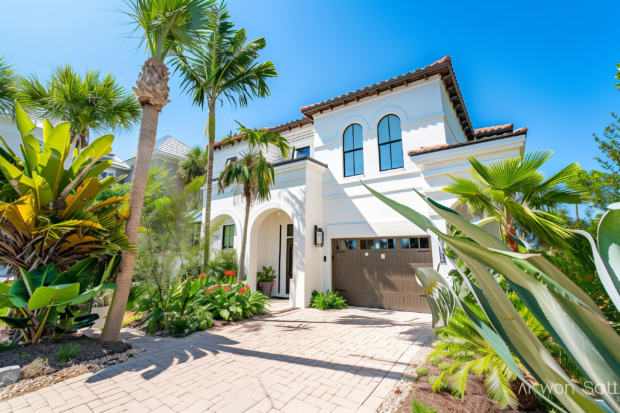
Thinking About Starting an Airbnb in Sarasota?
🔥 Join 150,000+ real estate investors getting the most unique & profitable short-term rental investment opportunities delivered to your inbox, 6x/week. Subscribe Now
Disclaimer: This article is for informational purposes only and not legal advice. Regulations may have changed since publication. Always check with local authorities and consult a legal professional before making investment decisions.
Contents
- Introduction to Short-Term Rentals in Sarasota
- Current Short-Term Rental Permit Requirements in Sarasota
- Zoning Regulations for STRs in Sarasota
- Required Documentation for Sarasota Short-Term Rentals
- Sarasota Short-Term Rental Taxes
- Safety Requirements and Inspections
- Occupancy Regulations and Restrictions
- Sarasota vs. Surrounding Areas: Regulation Comparison
- Enforcement of STR Rules in Sarasota
- How to Start a Short-Term Rental Business in Sarasota
- Advice from Successful Sarasota STR Operators
- Who to Contact About Sarasota STR Regulations
- Future Outlook for Sarasota STR Regulations
- Ready to Invest in Sarasota Short-Term Rentals?
Introduction to Short-Term Rentals in Sarasota
Sarasota, Florida, stands as one of the Gulf Coast’s most sophisticated destinations, blending world-class arts and culture with pristine beaches and year-round sunshine. Home to the renowned Ringling Museum, Sarasota Opera, and some of Florida’s most beautiful beaches, this cultural hub attracts millions of visitors annually seeking both relaxation and enrichment.
For short-term rental investors, Sarasota presents a unique opportunity—and a complex regulatory landscape. Unlike many Florida markets where STR rules are uniform across city and county jurisdictions, Sarasota operates under a dual system that significantly impacts where and how you can operate vacation rentals.
The most important distinction for investors to understand is that the City of Sarasota and Sarasota County have dramatically different STR regulations. The City of Sarasota allows short-term rentals with a minimum 7-day stay requirement, while Sarasota County prohibits STRs in most residential areas, permitting them only in specific multi-family zoned properties on the barrier islands.
This regulatory complexity has created both challenges and opportunities for savvy investors who understand the rules. Properties within Sarasota city limits can command premium rates for week-long stays, while county properties face severe restrictions that make traditional STR operations nearly impossible in most areas.
This comprehensive guide breaks down everything you need to know about navigating Sarasota’s short-term rental regulations in 2025, helping you identify compliant investment opportunities in this lucrative market.
Current Short-Term Rental Permit Requirements in Sarasota
The permit requirements vary significantly depending on whether your property is located within Sarasota city limits or in unincorporated Sarasota County:
City of Sarasota Requirements
Following Ordinance 24-5506 adopted on February 5, 2024, all single, two, three, and four-family dwelling units within Residential Single and Multi-Family Zoning Districts citywide must obtain a vacation rental certificate of registration to advertise or operate as a vacation rental.
- Vacation Rental Certificate of Registration: Required for all qualifying properties within city limits.
- Initial application fee: $500 (includes safety inspection)
- Annual renewal fee: $350
- Re-inspection fee: $100 (if necessary)
- State Vacation Rental License: Required by Florida Department of Business and Professional Regulation (DBPR).
- Annual fee: $150 per rental unit
- Must be obtained from the state before city registration
- Local Business Tax Receipt: Required for operating any business within city limits.
- Application fee varies based on business classification
- Annual renewal required
Sarasota County Requirements
Only properties zoned RMF (Residential Multi-Family) on the barrier islands may be rented out short term (less than 30 days). All other dwelling units within Sarasota County must comply with requirements for rentals greater than 30 days.
For the limited properties that qualify for STRs in the county:
- County Vacation Rental License: Required through Sarasota County Tax Collector.
- Annual registration fee: $150
- Inspection and compliance verification required
- Business Tax Receipt: Required from Sarasota County Tax Collector.
- Fee varies based on gross receipts
- Annual renewal required
Important Exemptions
These requirements DO NOT apply to owner-occupied vacation rentals, condominiums, cooperatives, or properties rented for 30 days or more.
The application process typically takes 7-10 business days for county permits and 2-3 weeks for city permits. As of January 1, 2025, it became illegal to operate a vacation rental covered by the ordinance unless the registration has been applied for, inspected, approved and had a Certificate of Registration issued.
Zoning Regulations for STRs in Sarasota
Understanding zoning is crucial, as it determines whether your property can legally operate as a short-term rental:
City of Sarasota Zoning
Within city limits, STRs are generally permitted in:
- Residential Single Family (RSF) zones (with certificate of registration)
- Residential Multi-Family (RMF) zones (with certificate of registration)
- Commercial zones (with proper licensing)
Key restriction: All advertising must conform to the minimum stay requirement of “longer than one week” as set out in Section II-304(b) of the City of Sarasota Zoning Code.
Sarasota County Zoning
In Sarasota County, an owner cannot legally operate a short-term (less than 30 days) vacation rental except for properties zoned residential multi-family on the barrier islands. Single Family zoned residences everywhere in the county including Siesta, Casey and Manasota keys are prohibited from operating as a short-term vacation rental.
Permitted Areas:
- RMF (Residential Multi-Family) zones on barrier islands only
- Commercial zones (with proper licensing)
Prohibited Areas:
- All RSF (Residential Single Family) zones
- RE (Residential Estate) zones
- RMH (Residential Mobile Home) zones
- Most residential zones on the mainland
HOA and Covenant Restrictions
Many Sarasota properties are within communities that may have additional restrictions beyond zoning:
- Some HOAs prohibit short-term rentals entirely
- Others may require additional approvals or impose minimum stay requirements
- Always verify both governmental zoning and private community restrictions
Required Documentation for Sarasota Short-Term Rentals
To operate legally, maintain these essential documents:
- City Vacation Rental Certificate of Registration (for city properties)
- County Vacation Rental License (for qualifying county properties)
- State DBPR Vacation Rental License: Required for all properties
- Business Tax Receipt: City or county, depending on location
- Florida Sales Tax Certificate: Required for tax collection and remittance
- Tourist Development Tax Registration: Required for local tax collection
- Liability Insurance Policy: Minimum coverage typically $1,000,000
- Safety Compliance Documentation: Inspection certificates and safety equipment records
- Local Contact Information: Designated responsible party available 24/7
- Occupancy Documentation: Maximum occupancy calculations and posted limits
All advertising must include the maximum occupancy and the City of Sarasota Vacation Rental Certificate of Registration number.
Sarasota Short-Term Rental Taxes
The tax structure involves multiple layers of state, county, and local taxes:
State Taxes
- Florida Sales Tax: 7% of gross rental receipts
- State Vacation Rental Tax: Additional requirements for DBPR licensing
Local Taxes
- Tourist Development Tax (TDT): 6% on all short-term rentals of six months or less
- Local Option Sales Tax: 2.75% in Sarasota County
Collection Methods
Platforms like Airbnb and VRBO collect and remit Florida Sales Tax automatically, but they don’t collect all required local taxes. You remain responsible for ensuring proper collection and remittance of:
- Tourist Development Tax
- Local option taxes
- Any additional municipal taxes
Tax Reporting Deadlines
- Monthly filing typically required for Tourist Development Tax
- Reports and payments usually due by the 20th of the following month
- Failure to pay the TDT can result in penalties and interest
- Annual reconciliation may be required
Professional tax assistance is highly recommended given the complexity of Florida’s multi-jurisdictional tax structure.
Safety Requirements and Inspections
Sarasota maintains strict safety standards for all STR properties:
Required Safety Equipment
Minimum safety requirements include swimming pool safety measures, smoke and carbon monoxide detection and notification systems, and fire extinguishers.
Specific requirements include:
- Smoke detectors in each bedroom and common areas
- Carbon monoxide detectors near fuel-burning appliances
- Fire extinguishers on each level
- Pool safety equipment (if applicable)
- Emergency contact information posted
- Address clearly visible from street
Inspection Process
Prior to issuance of an initial or renewed certificate of registration, each vacation rental unit must be inspected to verify compliance with minimum safety and informational requirements.
- Initial inspection before permit issuance
- Annual inspections for renewals
- Re-inspection fee of $100 if property fails initial inspection
- Compliance with Florida Building Code requirements
Posted Information Requirements
Required information must be posted on the wall or within a welcome binder at the vacation rental, including:
- Emergency contact information
- Maximum occupancy limits
- House rules and regulations
- Emergency evacuation procedures
- Wi-Fi information and local amenities
Occupancy Regulations and Restrictions
Sarasota has specific occupancy limits that vary by zoning:
City of Sarasota Occupancy Limits
Vacation rentals in residential single family zone districts shall be two (2) persons per bedroom, plus two (2) additional persons per property or ten (10) persons, whichever is less. Children under six (6) years of age shall not be included in the calculation of maximum occupancy.
Vacation rentals in residential multiple family zone districts shall be two (2) persons per bedroom, plus two additional persons per property or twelve (12) persons, whichever is less.
Minimum Stay Requirements
The minimum rental period in the City of Sarasota is “more than 7 days”, meaning all rentals must be for at least 7 full days and 7 full nights.
The minimal rental period in Sarasota County is “30 days”, except for properties zoned RMF on the barrier islands.
Parking Requirements
All vehicles associated with the occupants of a vacation rental shall be parked within a driveway or parking area located on the premises and in compliance with all applicable City ordinances.
Sarasota vs. Surrounding Areas: Regulation Comparison
How do Sarasota’s regulations compare to other Gulf Coast destinations?
Tampa/Hillsborough County
- More permissive overall
- Shorter minimum stays allowed in many areas
- Less restrictive zoning requirements
- Different tax structures
St. Petersburg
- Similar permit requirements
- Different occupancy regulations
- Varying minimum stay requirements by zone
- Comparable safety standards
Clearwater
- Very restrictive – requires 31+ day minimum stays in residential areas
- More limited STR opportunities
- Stricter zoning limitations
Naples
- Essentially prohibits all short-term rentals
- Requires 30+ day minimum stays with limited exceptions
- Very restrictive regulatory environment
Sarasota’s approach falls somewhere in the middle—more restrictive than Tampa but more permissive than Naples, with the unique city vs. county distinction creating specific opportunities for informed investors.
Enforcement of STR Rules in Sarasota
Understanding enforcement helps assess compliance risks:
City of Sarasota Enforcement
The city has become increasingly proactive in STR enforcement:
- Active monitoring of online listings for compliance
- Regular inspection programs
- Complaint-based enforcement
- Coordination with platforms to verify registration numbers
Sarasota County Enforcement
Sarasota County is generally not considered to be particularly Airbnb-friendly and takes a strict approach:
- Proactive monitoring of prohibited areas
- Code enforcement focuses on preventing illegal rentals in single-family zones
- Regular compliance audits
- Substantial penalties for violations
Common Violations
The most frequent issues include:
- Operating without proper permits/registration
- Violating minimum stay requirements
- Exceeding occupancy limits
- Operating STRs in prohibited zoning areas
- Tax collection/remittance failures
- Safety code non-compliance
Penalties
Violations can result in:
- Daily fines starting at $250
- Permit/license revocation
- Fines of up to $500 per day for ordinance violations
- Prohibition from obtaining future permits
- Legal action for repeat offenders
How to Start a Short-Term Rental Business in Sarasota
Follow this roadmap to launch your Sarasota STR:
Step 1: Determine Feasibility
- Verify jurisdiction: Confirm whether your property is in City of Sarasota or Sarasota County
- Check zoning eligibility: Remember that county properties must be RMF-zoned on barrier islands for STR eligibility
- Confirm minimum stay compatibility: Ensure your business model works with 7+ day minimums (city) or 30+ days (county)
- Research HOA restrictions: Verify no private community prohibitions
Step 2: Market Research & Property Selection
- Analyze demand for weekly+ stays in your target area
- Consider proximity to attractions vs. beachfront location
- Evaluate seasonal patterns and year-round viability
- Research comparable rental rates for weekly stays
Step 3: Regulatory Compliance Setup
- State licensing: Obtain DBPR vacation rental license first
- Local permits: Apply for city registration or county license as applicable
- Business registration: Secure business tax receipts
- Tax registration: Register for all applicable state and local taxes
- Insurance: Secure appropriate liability coverage
Step 4: Property Preparation
- Install all required safety equipment
- Create comfortable spaces for longer stays (workspace areas, full kitchens)
- Ensure adequate parking for guest vehicles
- Prepare welcome materials with all required information
Step 5: Operations Setup
- Create listings emphasizing weekly+ stays and local experiences
- Set up comprehensive tax collection systems
- Establish cleaning/maintenance protocols for longer stays
- Develop detailed house rules and guest communication systems
- Create comprehensive area guides for extended visitors
Step 6: Ongoing Compliance
- Maintain all required documentation and permits
- File taxes timely and accurately
- Schedule annual renewals and inspections
- Stay updated on regulation changes
- Respond promptly to neighbor or guest concerns
Advice from Successful Sarasota STR Operators
Insights from experienced Sarasota vacation rental owners:
“The 7-day minimum in the city actually works in our favor. We attract higher-quality guests who spend more on local experiences and cause fewer problems than typical weekend renters.” – Patricia M., downtown Sarasota STR owner
“Understanding the city vs. county distinction was crucial. We almost bought in the county thinking we could do STRs, but research saved us from a costly mistake.” – Roberto K., Sarasota investor
“Weekly guests love having a full kitchen and workspace. We’ve furnished our properties more like extended-stay suites than typical vacation rentals, and it’s paid off with premium rates.” – Lisa T., Sarasota property manager
“The cultural attractions here are a huge draw for our guests. We partner with local theaters and museums to offer package deals that differentiate us from beach-only destinations.” – Michael R., 4-year STR operator
The consensus among successful operators is that Sarasota rewards quality accommodations designed for longer stays, with strong emphasis on the area’s cultural amenities and sophisticated guest demographic.
Who to Contact About Sarasota STR Regulations
For official information and assistance:
City of Sarasota Development Services
- Phone: (941) 263-6253
- Website: sarasotafl.gov
- Email: Development Services general inquiries
Sarasota County Planning and Development
- Phone: (941) 861-5000
- Website: scgov.net
- Email: building@scgov.net
Sarasota County Tax Collector
- Phone: (941) 861-8300
- Website: sarasotacountyfl.gov
- Vacation rental licensing inquiries
Florida Department of Business and Professional Regulation
- Phone: (850) 487-1395
- Website: myfloridalicense.com
- State vacation rental licensing
Florida Department of Revenue
- Phone: (800) 342-1003
- Website: floridarevenue.com
- State tax registration and compliance
Future Outlook for Sarasota STR Regulations
What to expect for Sarasota STR regulations going forward:
- Increased Monitoring: Enhanced technology for compliance tracking and platform coordination
- Fee Adjustments: Potential increases in registration and renewal fees to cover administrative costs
- Safety Standard Updates: Continued evolution of safety requirements, particularly for pool safety and hurricane preparedness
- Tax Simplification: Possible streamlining of multiple tax collection requirements
- Density Considerations: Potential limits on STR density in certain popular neighborhoods
Despite regulatory complexity, the outlook remains positive for STR investors who understand and comply with Sarasota’s rules. The city’s commitment to maintaining quality tourism while preserving neighborhood character creates a sustainable framework for long-term investment success.
Ready to Invest in Sarasota Short-Term Rentals?
Sarasota offers exceptional potential for STR investors who understand the unique regulatory landscape and target the right market segment. With its sophisticated cultural attractions, world-class beaches, and year-round appeal, it remains one of Florida’s most promising markets for vacation rental investment—provided you navigate the rules correctly.
The key is recognizing that Sarasota attracts a different guest demographic than typical beach destinations. Visitors come for arts and culture, fine dining, and sophisticated experiences, making them ideal guests for the longer minimum stays required by local regulations.
🔥 Ready to find the best STR deals in Sarasota and beyond? Subscribe to The Offer Sheet and join 150,000+ investors getting curated, profitable short-term rental opportunities delivered directly to your inbox 6x/week.
⭐️ Already a subscriber? Upgrade to Pro to get access to 40+ properties daily, exclusive off-market deals, and premium analysis tools to maximize your STR investment returns.
Remember: Always consult with local legal and tax professionals before making investment decisions.