
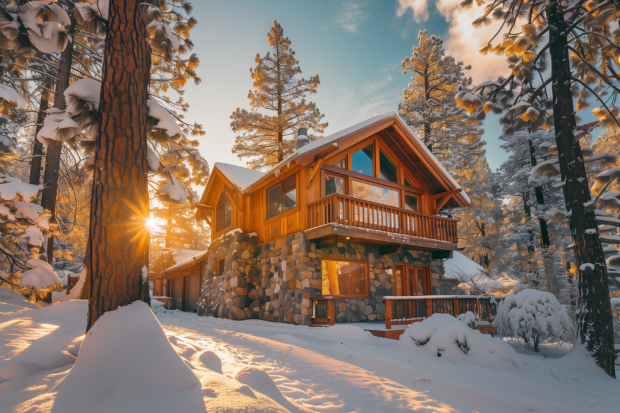
Thinking About Starting an Airbnb in Truckee?
🔥 Join 150,000+ real estate investors getting the most unique & profitable short-term rental investment opportunities delivered to your inbox, 6x/week. Subscribe Now
Disclaimer: This article is for informational purposes only and not legal advice. Regulations may have changed since publication. Always check with local authorities and consult a legal professional before making investment decisions.
Contents
- Introduction to Short-Term Rentals in Truckee
- Current Short-Term Rental Permit Requirements in Truckee
- Zoning Regulations for STRs in Truckee
- Required Documentation for Truckee Short-Term Rentals
- Truckee Short-Term Rental Taxes
- Safety Requirements and Inspections
- Truckee vs. Surrounding Areas: Regulation Comparison
- Enforcement of STR Rules in Truckee
- How to Start a Short-Term Rental Business in Truckee
- Advice from Successful Truckee STR Operators
- Who to Contact About Truckee STR Regulations
- Future Outlook for Truckee STR Regulations
- Ready to Invest in Truckee Short-Term Rentals?
Introduction to Short-Term Rentals in Truckee
Nestled in the spectacular Sierra Nevada mountains, Truckee, California has become one of the West Coast’s most coveted short-term rental markets. This charming mountain town offers investors a unique combination of year-round tourism, world-class outdoor recreation, and proximity to Lake Tahoe’s pristine waters.
With its historic downtown, abundant snowfall for winter sports, and endless summer adventures, Truckee attracts visitors from San Francisco, Sacramento, and beyond who are seeking authentic mountain experiences. The town’s location along Interstate 80 makes it easily accessible, while maintaining that small-town mountain charm that guests crave.
However, Truckee’s popularity has led to sophisticated regulations designed to balance tourism benefits with community needs. The town has implemented a comprehensive Short-Term Rental (STR) program that includes permit caps, strict safety requirements, and substantial taxes. Understanding these regulations is crucial before investing in this competitive but rewarding market.
This guide breaks down everything you need to know about operating a legal and profitable short-term rental in Truckee in 2025, from navigating the waitlist system to maximizing your mountain property’s potential.
Current Short-Term Rental Permit Requirements in Truckee
Truckee has established one of the most structured STR programs in California, with a strict cap of 1,255 registration certificates and a comprehensive waitlist system for new applicants.
Transient Occupancy Registration Certificate
All short-term rentals must obtain a “transient occupancy registration certificate” which must be renewed annually. There are a maximum of 1,255 registration certificates available in Truckee, with only one permit issued per property.
Key Requirements:
- Annual Registration: All STRs must apply and obtain an Annual Transient Occupancy Registration Certificate and pay a non-transferable annual fee.
- Property Restrictions: ADUs and multi-family units are no longer eligible to apply for new registration certificates, nor are properties purchased within 365 days of application.
- Waitlist System: Once you sign up for the waitlist application process, your position is timestamped and your place is held until the town can provide the opportunity for formal application.
- Local Contact Requirement: Each short-term rental operator is required to designate a contact person to ensure complaints are promptly resolved.
Application Process
The town researches your property to see if it’s viable to join the waitlist before releasing a waitlist application, then you receive an email with further instructions on completing the application process.
Current Availability
As of 2025, the 1,255 certificate cap has been reached, meaning all new applicants must join the waitlist. Applications are processed in the order received as certificates become available through non-renewals or violations.
Zoning Regulations for STRs in Truckee
Truckee’s zoning regulations determine where short-term rentals can operate within town limits:
Permitted Areas
Short-term rentals are generally allowed in:
- Most residential zones within town limits
- Mixed-use areas near downtown
- Properties that comply with town density requirements
Geographic Complexity
Truckee falls into both Placer County and Nevada County, and in some neighborhoods, it may come down to what side of the road you live on. Northstar lies in Placer County, while Tahoe Donner is in Nevada County.
HOA and Community Restrictions
Many gated communities and some condo complexes and HOAs will not allow rentals for less than 31-day periods. If renting your home for short increments is a requirement for your purchase, this may dictate neighborhoods you search in.
Recent Changes
Truckee has begun phasing out short-term rentals in accessory dwelling units and multi-family dwelling units. Units with existing registration certificates can renew, but no new certificates will be issued for these property types.
Required Documentation for Truckee Short-Term Rentals
To operate legally in Truckee, maintain these essential documents:
- Transient Occupancy Registration Certificate: Must be current and displayed
- Fire Safety Compliance Documentation: Certificates from required inspections
- Defensible Space Inspection Report: Required for wildfire protection
- Local Contact Information: Designated representative who can respond quickly
- Insurance Documentation: Liability coverage meeting town requirements
- Parking Plan: Documentation of required on-site parking
- Maximum Occupancy Certificate: Clear documentation of legal capacity
- Noise Ordinance Compliance: Understanding of quiet hours and restrictions
Bear Safety Requirements
Properties must have bear box photos that include the front of the house with the address showing if possible. This unique mountain requirement reflects Truckee’s location in bear habitat.
Truckee Short-Term Rental Taxes
Truckee has one of the highest combined tax rates for short-term rentals in California, with a total guest levy of 13.25% consisting of 12% Transient Occupancy Tax (TOT) and 1.25% Truckee Tourism Business Improvement District Assessment (TTBID).
Tax Breakdown
- Transient Occupancy Tax (TOT): 12% of gross rental receipts
- Truckee Tourism Business Improvement District (TTBID): 1.25% of gross rental receipts
- Total Combined Rate: 13.25%
Collection and Remittance
Hosts in Truckee are required to collect and remit the taxes themselves, as Airbnb and VRBO do not automatically collect short-term lodging taxes in Truckee.
TOT is remitted quarterly through the Short Term Rental Portal, and returns must be filed each quarter regardless of whether there were rentals during the quarter.
Filing Requirements
- Quarterly Filing: Required for all STR operators
- Due Date: First of the month following the end of each quarter
- Late Penalties: Applied if payments are not postmarked on time
- Online Portal: Filings must be submitted through the town’s STR portal
What’s Included in Taxable Receipts
Taxable receipts include nightly rents, weekly rents, standard cleaning fees, cancellation charges, pet fees, forfeited deposits, and reservation/booking fees.
Safety Requirements and Inspections
Truckee maintains strict safety standards, particularly important given the mountain environment and wildfire risks:
Required Safety Equipment
Working fire extinguishers, smoke alarms, carbon monoxide detectors, visible address numbers, and defensible space are required at each rental.
Fire Safety Specific Requirements
- Smoke detectors on each level and in bedrooms
- Carbon monoxide detectors throughout the property
- Fire extinguishers on each level
- Clearly visible address numbers for emergency services
- Defensible space around the property for wildfire protection
Inspection Requirements
Truckee Fire Protection District may conduct inspections once every three years to ensure compliance with fire safety requirements.
Outdoor Fire Restrictions
Charcoal grills, wood-burning pits, bonfires, and campfires are prohibited. Natural gas and propane grills and fire pits are permitted if set back 10 feet from any structure or combustible material.
Parking Requirements
On-site paved parking is required, and no parking is permitted on the street or in unpaved areas.
Truckee vs. Surrounding Areas: Regulation Comparison
Understanding how Truckee compares to nearby destinations helps investors make informed decisions:
Placer County (Northstar Area)
Placer County has its own STR program with a cap of 3,900 permits and requires both interior Fire Life Safety inspections and exterior Defensible Space fire inspections.
South Lake Tahoe
- More permissive regulations for hosted rentals
- Different tax structure
- Less restrictive permit caps
Nevada County (Tahoe Donner)
Properties in Nevada County have additional restrictions, including that your home cannot be short-term rented within one year of purchase.
Key Differences
Truckee’s regulations are among the most comprehensive in the region, with:
- Stricter permit caps (1,255 vs. 3,900 in Placer County)
- Higher combined tax rates
- More detailed fire safety requirements
- Comprehensive noise ordinances
Enforcement of STR Rules in Truckee
Truckee maintains a 24/7 bilingual STR Helpline for reporting compliance issues at (530) 450-2430.
Compliance Monitoring
The town uses multiple enforcement mechanisms:
- Complaint-based enforcement
- Regular monitoring of online listings
- Fire safety inspections
- Tax record audits
Penalties and Fines
The ordinance increases fines for breaking short-term rental rules to $1,500 for a first violation, $3,000 for a second, and $5,000 for further violations.
Response Requirements
Owners have 30 minutes to respond to property disturbances and an hour to correct any issues. If an issue isn’t resolved within that timeframe, a compliance officer will investigate and could issue a fine.
Three-Strike System
After three strikes, a rental’s registration certificate will be revoked and no new certificate will be issued for 12 months.
How to Start a Short-Term Rental Business in Truckee
Given Truckee’s strict regulations, follow this strategic roadmap:
Step 1: Market Research & Property Assessment
- Research neighborhoods with STR potential
- Evaluate year-round accessibility (critical for mountain properties)
- Analyze seasonal demand patterns and pricing
- Consider proximity to ski resorts, Lake Tahoe, and downtown attractions
Step 2: Regulatory Compliance Check
- Verify the property isn’t in a restricted zone
- Check HOA/covenant restrictions carefully
- Ensure property hasn’t been sold within the past 365 days
- Confirm property type eligibility (no ADUs or multi-family)
Step 3: Waitlist Application
- Complete the online Waitlist Application Sign-Up Sheet to get your position timestamped
- Provide all required property information
- Wait for town staff to research property viability
- Prepare for potentially lengthy waitlist period
Step 4: Property Preparation
- Install all required safety equipment
- Create defensible space for fire protection
- Ensure adequate paved parking
- Plan for bear-resistant garbage storage
- Design mountain-themed interiors that appeal to guests
Step 5: Permit Application (When Available)
- Submit complete application when position is reached
- Schedule required fire safety inspections
- Register for TOT collection and remittance
- Designate local contact representative
Step 6: Operations Setup
- Create compelling listings highlighting mountain activities
- Set up quarterly tax filing system
- Establish relationships with local cleaning and maintenance services
- Develop comprehensive house rules and emergency procedures
- Install 24/7 monitoring systems for quick issue response
Step 7: Ongoing Compliance
- File quarterly tax returns religiously
- Maintain all safety equipment and certifications
- Respond immediately to any complaints or issues
- Stay updated on regulation changes through town communications
Advice from Successful Truckee STR Operators
Insights from experienced Truckee vacation rental owners:
“The waitlist was frustrating, but worth it. We used the time to perfect our property and build relationships with local service providers. When our permit came through, we were ready to launch immediately.” – Sarah M., Truckee cabin owner since 2022
“Mountain properties require different thinking. We invested heavily in snow removal contracts, backup generators, and premium firewood service. Guests expect that authentic mountain experience, and the extra investment pays dividends in reviews and repeat bookings.” – David K., owner of 2 Truckee STRs
“The tax compliance is no joke in Truckee. We hired a local bookkeeper who specializes in STR taxes from day one. The 13.25% rate is high, but guests expect to pay it for the Truckee experience.” – Jennifer L., property management company owner
“Being responsive to neighbors and the community has been essential. We provide local contact information to everyone on our street and occasionally bring them cookies. It’s prevented complaints and built goodwill.” – Michael R., 4-year STR investor
The consensus among successful operators is that Truckee rewards those who invest in quality properties, maintain strict compliance, and embrace the community-focused mountain culture.
Who to Contact About Truckee STR Regulations
For official information and assistance:
Town of Truckee STR Program
- Phone: (530) 582-5280
- Email: tot@townoftruckee.gov
- Website: townoftruckee.gov/str
- Physical Address: 10183 Truckee Tahoe Airport Rd, Truckee, CA 96161
24/7 STR Helpline
- Phone: (530) 450-2430
- For reporting compliance issues
Key Staff Contacts:
- Program Analyst II – rjohnson@townoftruckee.gov, (530) 582-7738 – STR Operations, Compliance, Waitlist & Registration
- Program Analyst II – amartin@townoftruckee.gov, (530) 582-2498 – Transient Occupancy Tax
- Code Compliance Officer – mcarr@townoftruckee.gov, (530) 836-8010
Truckee Fire Protection District
- Website: truckeefire.org
- For fire safety inspections and defensible space requirements
Future Outlook for Truckee STR Regulations
What to expect for Truckee STR regulations going forward:
- Waitlist Management: Bi-annual reviews of the STR program are scheduled, with the next tentative date of August 26, 2025
- Enhanced Technology: Continued development of online portals for tax filing and compliance monitoring
- Fire Safety Evolution: Ongoing updates to defensible space and fire safety requirements based on wildfire risk assessments
- Housing Impact Studies: Regular evaluation of STR impacts on local housing availability
- Tax Structure Stability: The current 13.25% rate appears stable following voter approval in 2020
Despite the complex regulatory environment, the outlook remains positive for STR investors in Truckee. The permit cap actually protects existing certificate holders from oversaturation, while the town’s commitment to quality tourism ensures sustained demand for well-operated properties.
Ready to Invest in Truckee Short-Term Rentals?
Truckee offers exceptional potential for STR investors who understand and navigate the regulatory landscape. With its year-round appeal, world-class outdoor recreation, and proximity to major California metropolitan areas, it remains one of the West’s most desirable vacation rental markets.
The combination of permit scarcity, high barriers to entry, and incredible guest demand creates a protected market for those fortunate enough to secure certificates. While the waitlist and regulations are challenging, they also ensure that successful operators enjoy reduced competition and premium pricing power.
🔥 Ready to find the best STR deals in Truckee and beyond? Subscribe to The Offer Sheet and join 150,000+ investors getting curated, profitable short-term rental opportunities delivered directly to their inbox 6x/week.
⭐️ Already a subscriber? Upgrade to Pro to get access to 40+ properties daily, exclusive off-market deals, and premium analysis tools to maximize your STR investment returns.
Remember: Always consult with local legal and tax professionals before making investment decisions.